
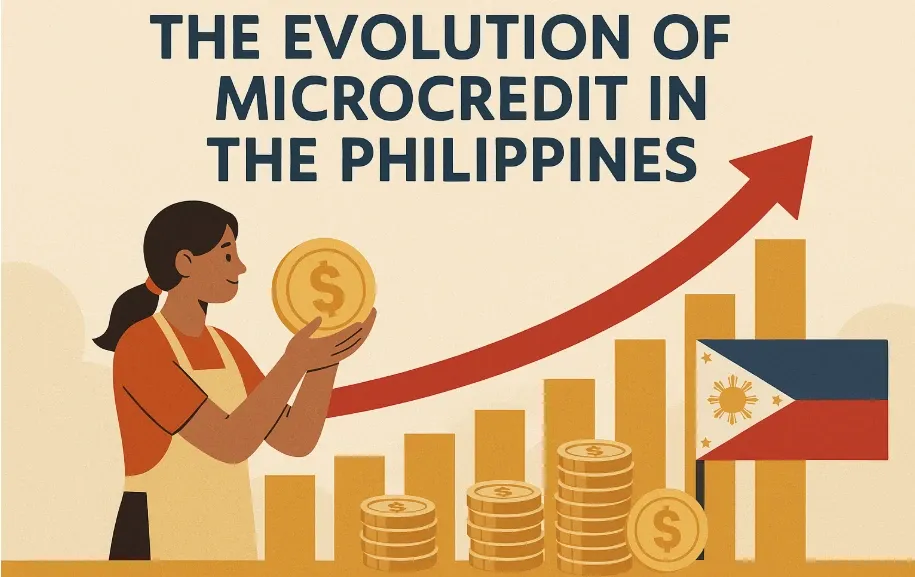
Microcredit in the Philippines has moved from a patchwork of small community lenders into a digitally enabled, data-driven ecosystem focused on inclusion, speed, and responsible use. In my own work with borrowers and content across Southeast Asia, I’ve watched this shift accelerate: products have become more transparent, underwriting more nuanced, and user experiences more intuitive—even for first-time borrowers. Below is a concise, field-level view of how the landscape has changed and what it means for households, micro-entrepreneurs, and the broader economy.
Many readers ask about the phrase best loan apps Philippines when they begin comparisons; my advice is to treat that as a starting keyword, not a verdict. The “best” option depends on your cash-flow pattern, documentation comfort, and tolerance for variability in fees.
What’s Driving the Transformation
- Digital rails: Ubiquitous smartphones, e-KYC, and e-wallets reduced friction from application to disbursement.
- Data for risk: Alternative data (bill payments, device signals, transaction histories) complements traditional documents, widening access without ballooning risk.
- User-centric design: Plain-language pricing, progress bars, and repayment reminders help borrowers plan cash flow.
- Policy nudges: Consumer-protection rules around disclosure and collections practices encourage clearer terms and more ethical servicing.
- Financial literacy push: Tooltips, in-app calculators, and short learning modules raise awareness of total borrowing cost.
Personally, I’ve seen first-time borrowers gain confidence when apps display “what you’ll repay” screens before they enter any personal data. That moment of clarity matters.
How Microcredit Is Used Today
- Cash-flow smoothing for salary gaps, medical bills, school expenses, and small repairs.
- Micro-enterprise working capital: inventory turns, seasonal expansions, and short marketing bursts.
- Emergency buffers: faster than pawning assets and less socially fraught than borrowing from friends.
- Credit building: on-time repayments help create a digital trail for future, larger products.
Typical Borrower Journey (Now vs. Then)
| Step | Earlier Experience | Recent Experience |
|---|---|---|
| Discovery | Word of mouth, long queues | App stores, comparison articles, social reviews |
| Onboarding | Paper forms, IDs in person | e-KYC, selfie + ID scan |
| Decisioning | Manual review, days | Algorithmic assessment, minutes–hours |
| Disbursement | Cash at branch | Wallet/bank transfer |
| Repayment | Branch or over-the-counter | App reminders, e-wallet pull, scheduled pay |
When I tested several products as a researcher-borrower, the difference was stark: application friction dropped from an afternoon to under 15 minutes, with clearer repayment visibility.
Pricing, Transparency, and Ethics
- Clear APR and fees: More apps show daily/weekly cost equivalents and total repayment estimates.
- Grace periods & extensions: Structured options reduce default spirals and collection stress.
- Collections: Professional codes of conduct and auditable logs now matter; abusive tactics risk penalties and reputational damage.
- Over-borrowing safeguards: Soft credit checks and internal exposure limits keep repeat borrowing within safer bands.
From my perspective, the strongest products are those that make it easy to say no—a simple “not eligible today, try again in 30 days” can be the healthiest outcome.
Risk Management 2.0
- Segmented limits: New users start small; responsible use unlocks higher ceilings.
- Event-aware scoring: Models adjust for holidays, typhoons, and salary cycles that influence delinquency.
- Real-time fraud controls: Device fingerprinting and velocity checks counter identity abuse.
Common Pitfalls for Borrowers (and How to Avoid Them)
- Stacking multiple loans → Track due dates in one calendar; avoid overlapping maturities.
- Ignoring fees on extensions → Compare extension cost vs. partial repayment first.
- Using credit for non-productive spending → Prioritize expenses that preserve income or health.
- Chasing the “lowest daily rate” → Total cost of credit (TCC) matters more than headline numbers.
Micro-Entrepreneurs: The Quiet Beneficiaries
Market vendors, delivery riders, and home-based sellers benefit from quick working capital. Short tenors align with inventory cycles, and digital disbursement means restocking can happen the same day. I’ve interviewed sari-sari owners who rotate two or three micro-loans per quarter to capture discounts on bulk buys—net margins improve even after interest, provided turns are fast and shrinkage is low.
Rule of thumb I use personally when evaluating a short-term loan for business stock:
- Expected gross margin on inventory ≥ 2× total borrowing cost
- Inventory turns within half the loan tenor
- A fallback scenario (sell-off or return) that still covers at least 80% of principal
Financial Health Tools Becoming Standard
- Amortization previews and what-if sliders for early/late payments
- Automated reminders via SMS, app, and email
- Savings nudges post-repayment to build buffers
- Receipts & statements exportable for visa, school, or employer documentation
These features may look minor, but in aggregate they shift behavior toward planning rather than reacting.
How to Evaluate Offers (Without Naming Providers)
- Total Cost of Credit: Compute full peso outlay, including all fees.
- Tenor Fit: Match due date to your income cycle or inventory turn.
- Repayment Flexibility: Look for extensions/partial payments and how they’re priced.
- Data Practices: Transparent privacy policy and clear consent screens.
- Support Quality: In-app chat response times and clear escalation paths.
- Reputation Signals: Consistent user feedback about collections conduct and fee clarity.
Outlook: Where the Market Is Headed
- Embedded credit inside e-commerce, ride-hailing, and bill-pay ecosystems
- Richer credit files through open-data frameworks (with consumer consent)
- More predictable pricing as competition and regulation converge
- Wellness bundling: credit paired with savings goals and micro-insurance
I’m optimistic, but cautious. Microcredit is a power tool: it can lift incomes—or magnify stress. The difference is informed use.
Microcredit in the Philippines has matured into a faster, clearer, and more accountable system. Borrowers benefit from speed and access; providers benefit from better data and lower servicing costs. But discipline remains essential: borrow with a plan, know the total cost, and treat credit as a bridge—not a lifestyle. If you’re researching options and typing best loan app Philippines into a search bar, remember to map any offer back to your real cash-flow needs. That simple habit, in my experience, makes all the difference.
⚡ One click to install and start modeling: Football prediction software download with ready-made templates, backtests, and alerts synced to your bookies.