In environments where businesses compete for attention, visual presentation plays a crucial role in shaping how customers engage with brands. First impressions are often formed within seconds, and a visually compelling display can determine whether someone chooses to stop and interact or simply walk past. Because of this, businesses must be intentional about how they present their message visually.
Visual displays are more than just decorative elements. They function as communication tools that help convey a brand’s identity, values, and offerings at a glance. When designed effectively, they create a strong connection with the audience and encourage deeper interaction, making them a critical component of any successful event strategy.
Capturing Attention in a Competitive Environment
At trade shows and industry events, attendees are surrounded by numerous booths, each competing for visibility. A well-designed visual display helps a business stand out in this crowded environment. Bold colors, striking graphics, and clear messaging can draw attention and invite attendees to explore further.
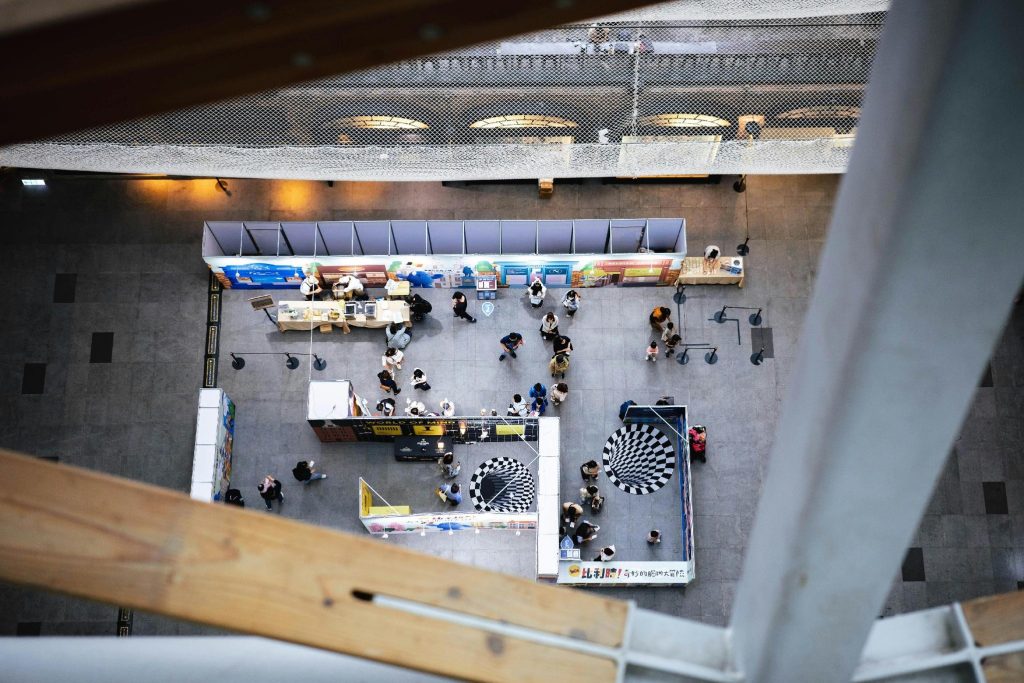
Scale also plays an important role in visibility. Larger setups, such as a 20×20 trade show booth, provide more space to create impactful designs that can be seen from a distance. This increased presence allows businesses to make a stronger visual impression and attract a higher volume of visitors.
Communicating Brand Identity
Visual displays serve as a direct reflection of a brand’s identity. Elements such as color schemes, typography, and imagery all contribute to how a business is perceived. Consistency across these elements helps reinforce brand recognition and builds trust with the audience.
A cohesive design ensures that messaging is clear and easy to understand. When attendees can quickly grasp what a company offers and what it stands for, they are more likely to engage. This clarity is especially important in fast-paced environments where attention spans may be limited.
Strong visual branding also helps differentiate a business from its competitors. By presenting a unique and recognizable style, companies can create a lasting impression that extends beyond the event itself.
Guiding Customer Experience
Visual displays are not only about appearance but also about functionality. The layout and design of a booth guide how customers move through the space and interact with different elements. Thoughtful design can create a natural flow that encourages exploration and engagement.
For example, strategically placed visuals can highlight key products or services, directing attention to the most important aspects of the business. Clear signage and intuitive layouts make it easier for attendees to navigate the space and find the information they need.
Supporting Interaction and Engagement
Visual displays can actively encourage interaction by creating points of interest that invite participation. Interactive screens, product demonstrations, and visually appealing setups can make it easier for attendees to engage with a brand.
These elements help transform a passive viewing experience into an active one. When customers can see, touch, or explore offerings in a visually engaging way, they are more likely to remember the experience. This interaction strengthens the connection between the brand and the audience.
Enhancing Information Retention
Visual communication is often more effective than text alone when it comes to retaining information. Images, diagrams, and well-designed graphics can convey complex ideas in a simple and accessible way. This makes it easier for attendees to understand and remember key messages.
By presenting information visually, businesses can reduce the need for lengthy explanations. This is particularly valuable in event settings where time is limited and attention is divided. Clear visuals allow attendees to quickly grasp essential details and move forward in the interaction.
Creating Emotional Connections
Visual displays also play a role in shaping emotional responses. Colors, imagery, and design elements can evoke specific feelings that influence how customers perceive a brand. A welcoming and visually appealing display can create a positive impression and encourage engagement.
Emotional connections are important for building lasting relationships. When attendees feel a connection to a brand, they are more likely to remember it and consider it in the future. Visual elements that reflect authenticity and creativity help foster this connection.
Storytelling through visuals is another powerful approach. By presenting a narrative through images and design, businesses can create a more engaging and meaningful experience that resonates with their audience.
Conclusion
Visual displays play a vital role in customer interaction by capturing attention, communicating brand identity, and guiding engagement. From large-scale setups to carefully designed graphics, these elements shape how customers experience and connect with a business. A thoughtful and strategic approach to visual design can significantly enhance the effectiveness of any event presence.
By combining creativity with functionality, businesses can create displays that not only attract attention but also foster meaningful connections. In competitive environments, strong visual presentation becomes a powerful tool for building relationships, conveying value, and leaving a lasting impression.