
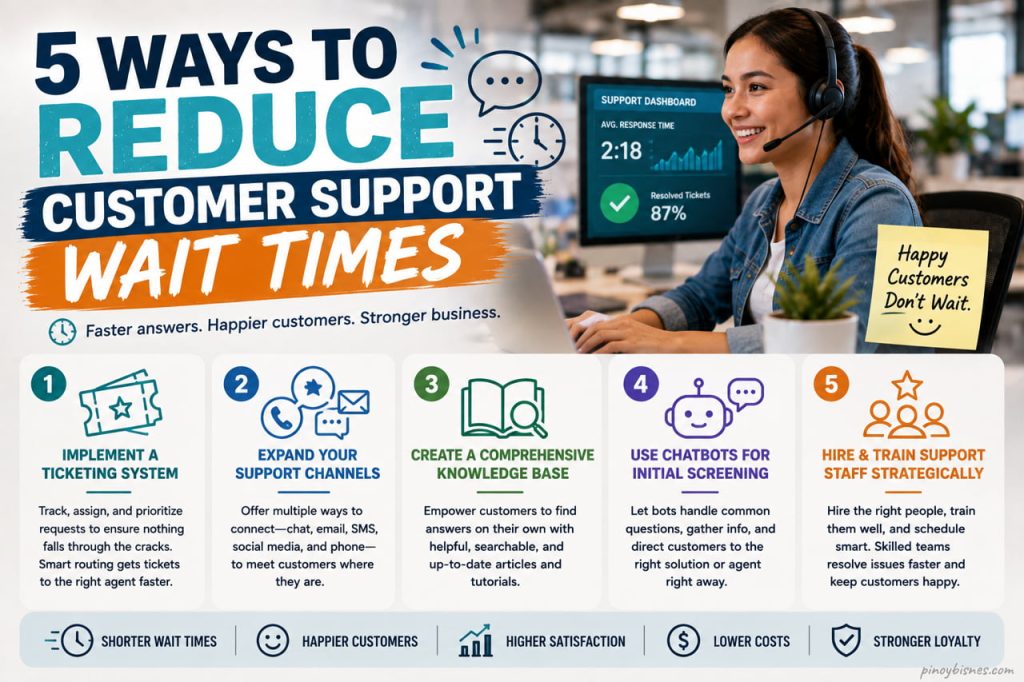
Waiting is the enemy. A question lands, a problem flares up — customers want resolution now, not eventually. Patience erodes minute by minute on hold, and loyalty follows right behind it. Call volumes spike, staffing lags, and suddenly your team is buried. Inboxes overflow. Customers sit there refreshing, wondering if anyone’s even read their message. The root causes are the real problem. Patch those, and the whole operation breathes differently. That demands the right technology, sharper processes, and people managed with genuine intention.
Implement a Ticketing System
Incoming chaos won’t sort itself. A ticketing system forces structure on the mess — every request tracked, tagged, assigned. Each query gets a unique identifier. Duplicate effort disappears. No ticket falls off the radar. Routing logic steers requests toward whoever’s actually equipped to close them — a billing specialist, a senior technician who’s resolved that exact failure mode dozens of times. Customers get an automated acknowledgment right away. That detail matters more than most teams realize. It signals: someone saw this. The reporting layer is where things turn genuinely useful, though. You’ll see which issue categories devour the most agent hours — and that data tells you exactly where to invest in training, or where to gut a broken process entirely.
Expand Your Support Channels
Some customers want to call. Others would rather fire off a quick chat message or a DM. Funneling everyone through a single channel creates an artificial bottleneck — so spread the load. Live chat is a real force multiplier; one agent can carry three or four simultaneous conversations. A phone line can’t touch that. Automated email filters knock out routine FAQs before a human ever sees them. And honestly? By evening, most customers would rather get a text than sit around until morning waiting on a callback. For businesses relying on SMS notifications to deliver real-time support updates and cut inbound call volume, tier 1 sms aggregators ensure high deliverability and minimal latency — so time-sensitive messages actually land without delay.
Create a Comprehensive Knowledge Base
Here’s a simple truth: the best support interaction is the one that never has to happen. A solid knowledge base lets customers fix things themselves. No queue. No hold music. No wait at all. Document the common stuff — troubleshooting walkthroughs, product FAQs, policy explanations, technical specs. Build it around the exact phrases customers type into a search bar, not the internal jargon your team uses that nobody outside the building would recognize. Someone searching “my account is locked” should hit the right article immediately. Your agents can then focus on the genuinely complex cases — the ones requiring real human judgment. Keep the content current, too. Stale articles breed frustration just as fast as a long hold time does. Track which pages pull heavy traffic and which searches return nothing. Those empty results? That’s your next project right there.
Use Chatbots for Initial Screening
Chatbots don’t take breaks. No shift changes, no sick days — and they can run hundreds of simultaneous conversations without breaking a sweat. That alone justifies the investment. Before a human agent enters the picture, a chatbot collects account details, categorizes the problem, and sometimes closes it outright. Password resets, order status checks, basic troubleshooting — handled automatically. Your human team stays free for the cases that actually need them. But retrain the bot regularly. Question patterns shift over time. An outdated chatbot starts failing customers in new ways — and that, honestly, is worse than having no chatbot at all.
Hire and Train Support Staff Strategically
Technology only stretches so far. Your people remain the core of the operation, and how you hire and develop them directly shapes wait times. Recruit for communication skills and product familiarity. Then onboard thoroughly — agents who know the product cold resolve issues faster, with far less back-and-forth. Cross-training is underrated. Agents who can float between departments let you redirect coverage wherever volume is surging on any given day. Watch your metrics closely: average response time, first-contact resolution rate, escalation frequency. They’ll surface both your top performers and the agents who need more coaching. Schedule overlaps during peak hours. Don’t leave your busiest windows short-staffed.
Conclusion
Cutting wait times isn’t a single fix. It’s a stack of them, working together. Ticketing systems bring order to the queue. Multiple channels spread demand across the operation. A knowledge base deflects avoidable requests before they ever enter the pipeline. Chatbots absorb the routine load. A well-trained, strategically scheduled team handles everything else. Get these pieces moving in sync and you’ll see faster resolutions, a less burned-out support staff, and lower operational costs across the board. Keep monitoring. Keep adjusting. Your business will grow — and the demands on your support operation will grow right along with it. The systems you build now need to be ready for that.