
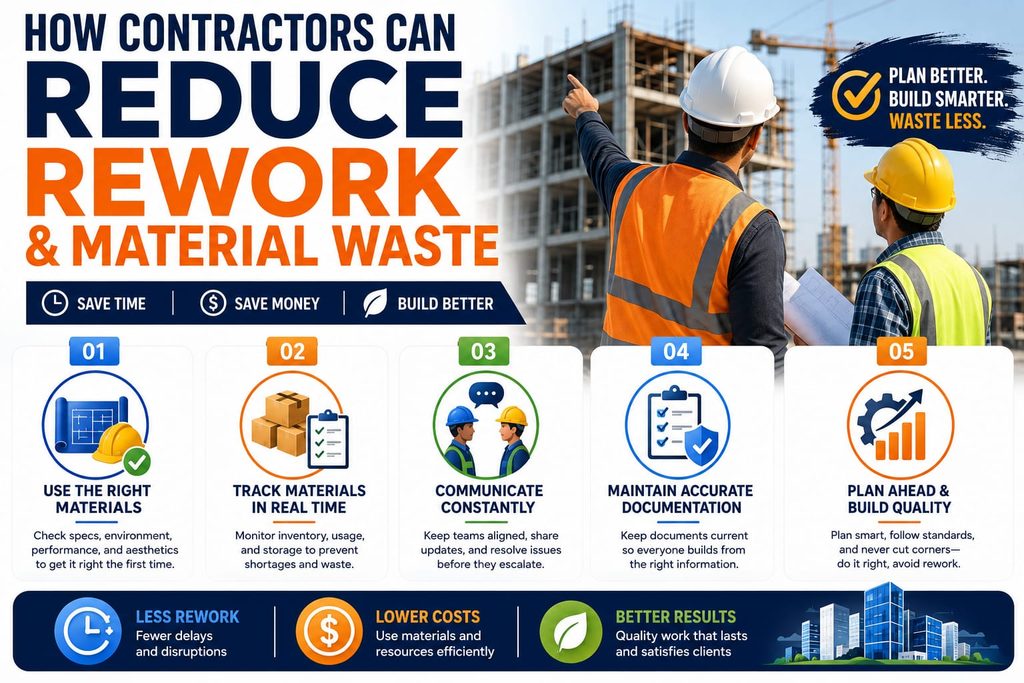
Key Takeaways:
- Since construction projects are both time-sensitive and costly, ensuring that contractors use the correct tools efficiently is essential.
- Often, materials are overordered, improperly stored, or used incorrectly, resulting in waste and requiring rework.
- To avoid waste and ensure a project is both time-efficient, cost-efficient, and environmentally conscious, contractors must take extra care when choosing, ordering, and storing materials.
- Constant communication between teams and frequent reviews of the construction documents also help you catch errors before they become major concerns.
- Prioritize communication software, real-time material-tracking technology, and high-quality work to prevent rework.
The Challenges of Rework & Material Waste
Did you know that contractors typically expect a 5-9% rework rate on any project? While working on a small house, this may not be such a costly concern. However, multi-million-dollar projects that take years to complete exponentially increase costs and delay completion.
When construction work must be redone to fix areas that don’t meet project standards, you waste time and money while creating a larger environmental footprint. Some of the most common reasons for rework include incorrect materials, faulty structural design, poor planning and communication, and improper storage.
If you’re looking for ways to reduce waste and rework on your job site, follow these tips to minimize delays and operational stress due to rework.
- The Right Materials for the Job
Whether you’re researching stainless steel screws, fireproof coatings, or light fixtures, there’s a way to determine the right tool for every job. Making sure you’re using the right materials means checking the specs to ensure they meet the purpose you need them for. Fasteners, for example, are often categorized by the types of decking they’re designed to secure. Using the wrong fasteners on wood decking may cause the wood to split, meaning you need not only a whole new order of fasteners but also a new order of wood.
So how do you find the right materials for your job? Reducing waste and rework means reviewing the callouts in the construction documents and considering the environment, purpose, and aesthetics of each piece or part you order. You may find errors in the original design documents that prompt you to ask for clarification, as well as essential details that provide a guide for the standard of the products you need to purchase.
Environmental Demands
While indoor demands are minimal, contractors must still ensure they understand the environment in which they’re building and find materials that are appropriately rated. Are they dealing with an ocean landscape with a ton of salt in the air? Then they must order corrosion-resistant materials. Is moisture a major concern? Then moisture- or wet-rated designs are essential. Environmental concerns may range from local contaminants to earthquakes, and contractors need to keep their eye on everything.
Performance Concerns
As with the fasteners, are the materials you’re ordering designed to interact well with everything else involved in the project’s construction? Will these materials stand the test of time after everything is assembled? Considering long-term performance is part of choosing materials.
Matching Aesthetics
Finally, aesthetics play a major role in construction projects. Whether it’s coordinating the color of your screws or choosing the right stain for doors, contractors must work with the design team in advance to ensure the work isn’t rejected due to misalignment in design intent.
- Material Tracking in Real Time
Once you’ve chosen and ordered all the materials, it’s time to consider tracking, usage, and storage. Whether you prefer advanced software or your project is small enough that all you need is a spreadsheet, updating everything in real time ensures everything is used as efficiently as possible. Avoid shortages, improper storage, and mismanagement with top-tier tracking.
- Constant Communication
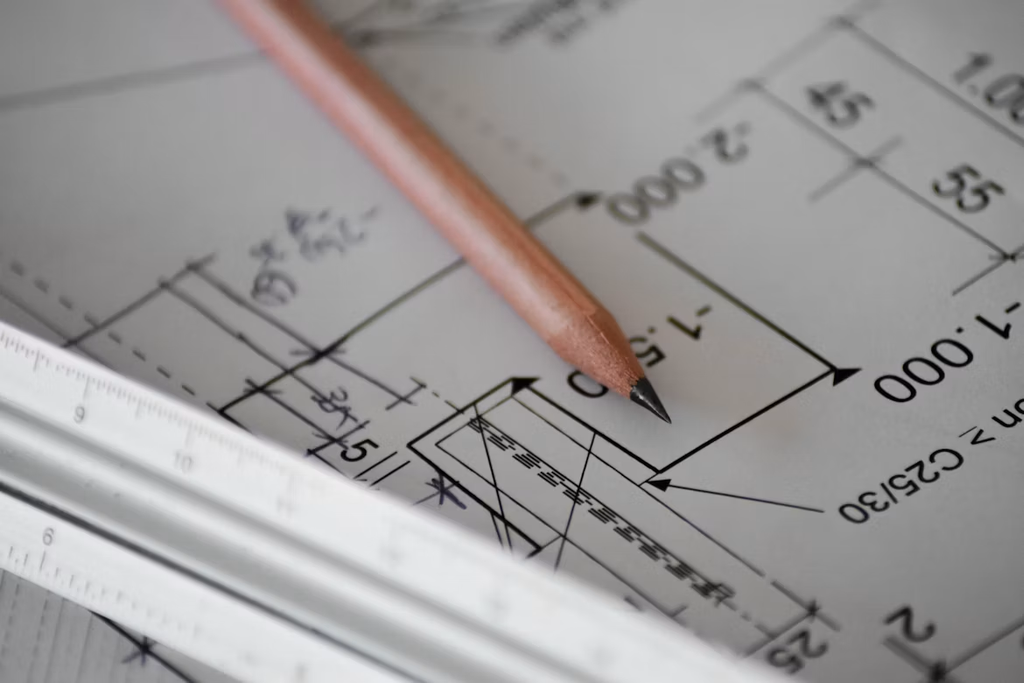
Misunderstanding design intent and a lack of communication can be major points of failure for any construction project. Because so many teams are involved in bringing a project to fruition, everyone needs to communicate as clearly as possible.
In addition to construction and material notes during the planning and approval stages, any changes must be discussed in real time between teams. When teams can discuss changes as they arise, you prevent issues from escalating to the point where rework becomes necessary.
Maintaining Documentation
Construction documents are living things that change and evolve with the project. Maintaining the most current set with up-to-date material information and requirements is essential. While cloud-based construction software is an amazing tool that provides instantaneous updates, it’s up to each individual to add relevant information and check back frequently to explore recent changes.
Rework & Waste FAQs
Who pays for reworking or reordering misused materials?
The responsibility most likely falls on the team that made the error in the first place. However, depending on the wording of your contract, the project owner may be responsible for any cost concerns.
Can you anticipate rework or material waste?
Yes, every project carries a risk of overspending due to rework needs and material waste. Most contractors will build in a margin of error between 10 and 25% of the total project cost to cover the costs of extending equipment rentals, paying additional employee wages, and purchasing new materials.
What is the biggest reason for rework and material waste?
Because so many teams are involved in the building process, there are several potential points of failure. Studies have identified the following concerns:
- About 70% of rework comes down to engineering or design errors
- Around 30% of rework is due to construction errors
- Over 70% of rework due to construction concerns is caused by miscommunication
Double-checking designs and clarifying plans during the bidding phase ensures that contractors fully understand the design intent and helps minimize material ordering errors. Keeping interteam communication active is the other stopgap that prevents the need for major rework.
Minimize Rework for Every Project

Most contractors factor in a 5-9% rework projection for every contract, but this doesn’t have to be the case. If you integrate all of these strategies throughout the planning and construction phases, you can minimize rework and material losses. Ensure streamlined document exchange and communication with construction technology, and set high standards for the quality of your work from the outset to prevent the temptation of shortcuts and their inevitable consequences.