
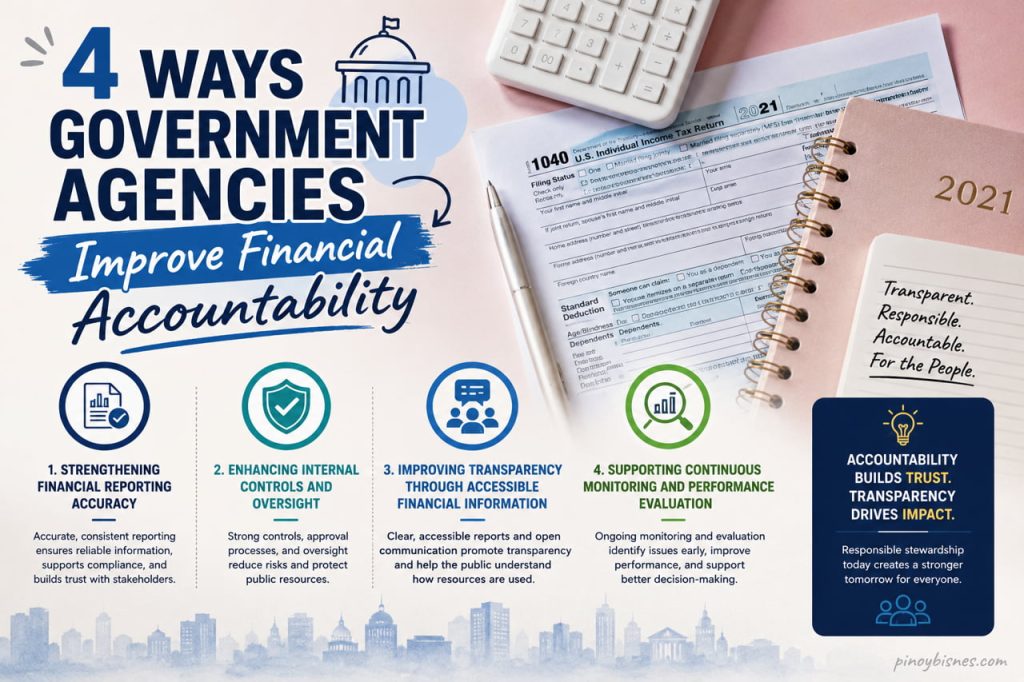
Financial accountability is essential for government agencies that manage public resources and deliver services to communities. Clear financial practices help strengthen trust, support compliance, and ensure that funds are used responsibly. As expectations for transparency continue to rise, agencies benefit from strategies that reinforce oversight and improve the accuracy of financial information. By focusing on core accountability practices, public organizations can build systems that support long term stability and responsible stewardship.
Strengthening Financial Reporting Accuracy
Accurate financial reporting is one of the most important components of accountability. Government agencies must present financial information that reflects real activity, aligns with regulatory standards, and supports informed decision making. This includes maintaining organized records, documenting transactions thoroughly, and ensuring that reporting processes follow established guidelines. Many agencies work with providers offering government accounting services to refine reporting structures and improve consistency. Strengthening reporting accuracy helps agencies demonstrate responsible resource management and maintain credibility with stakeholders. Exploring public reporting standards provides additional insight into how agencies can enhance clarity and reliability.
Enhancing Internal Controls and Oversight
Internal controls play a central role in protecting public resources and reducing the risk of errors or mismanagement. These controls include approval processes, monitoring practices, and oversight structures that ensure financial activity follows established policies. Agencies benefit from regularly evaluating their internal controls to identify vulnerabilities and implement safeguards that support compliance. Strong oversight helps maintain accuracy across departments and reinforces accountability throughout the organization. Exploring internal control practices helps agencies understand how structured oversight contributes to long term financial stability.
Improving Transparency Through Accessible Financial Information
Transparency is a defining expectation for public organizations. Agencies must provide financial information that is accessible, understandable, and available to the public. This includes publishing reports in clear formats, offering explanations of financial decisions, and maintaining open communication about budget priorities. Transparent reporting helps build trust and demonstrates a commitment to responsible stewardship. It also supports community engagement by allowing stakeholders to understand how resources are allocated. Exploring public transparency practices helps agencies identify methods for improving accessibility and strengthening public confidence.
Supporting Continuous Monitoring and Performance Evaluation
Financial accountability requires ongoing evaluation rather than periodic review. Continuous monitoring helps agencies identify discrepancies, assess performance, and respond to emerging issues before they escalate. This may involve reviewing spending patterns, analyzing budget variances, or evaluating program outcomes. Regular monitoring supports proactive decision making and ensures that financial practices remain aligned with organizational goals. Exploring financial performance evaluation provides insight into how agencies can strengthen oversight throughout the fiscal year. When monitoring is consistent, accountability becomes an integrated part of daily operations.
Conclusion
Government agencies improve financial accountability by strengthening reporting accuracy, enhancing internal controls, increasing transparency, and supporting continuous monitoring. These practices help public organizations manage resources responsibly, maintain compliance, and reinforce trust within the communities they serve.