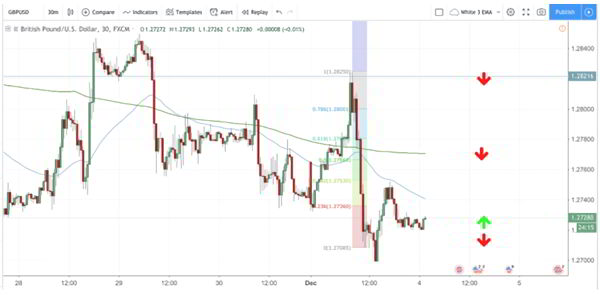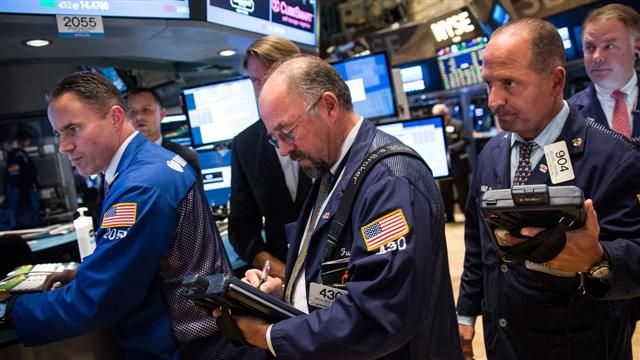
The foreign exchange market, known as forex, is the world’s largest and most liquid marketplace. Every day, trillions of dollars move through its channels as businesses, governments, and individuals exchange currencies. This immense activity shapes global trade, impacts investment strategies, and influences economic stability across nations. Yet, despite its importance, forex often remains a mystery for the average person.
Why Forex Matters Beyond Trading
When most people hear about forex, they think of speculative trading platforms and professional traders scanning charts. While this is part of the story, forex has far-reaching implications beyond speculation:
- International Business: Companies that import or export goods must constantly deal with currency fluctuations.
- Travel and Tourism: Exchange rates determine the affordability of trips abroad.
- Remittances: Millions of families worldwide depend on money sent from relatives working in other countries.
- Economic Policy: Central banks watch currency flows to stabilize inflation and manage growth.
For all these actors, accurate and timely forex data is essential.
Challenges of Accessing Forex Information
Historically, forex information was fragmented. Large banks and financial institutions had access to real-time rates, while small businesses and individuals relied on delayed reports. This imbalance created inefficiencies and widened the knowledge gap.
The rise of digital platforms has changed this. Today, anyone can integrate forex feeds into their applications, dashboards, or websites. Still, the challenge remains: ensuring that the data is accurate, reliable, and consistent.
A Practical Resource
Businesses and developers looking for such solutions now rely on platforms like a specialized provider of currency exchange information, available at specialized provider of currency exchange information. By offering structured APIs, these services make it possible to access live exchange rates, historical datasets, and analytical tools without investing in expensive infrastructure.
This empowers companies and innovators to:
- Build apps that display real-time currency conversions.
- Support international e-commerce platforms with transparent exchange rates.
- Develop financial dashboards for individuals and enterprises.
- Conduct research into market dynamics and economic patterns.
Broader Impact on Innovation
Access to reliable forex data is not only about trading faster—it’s about creating opportunities. Educational institutions can use the data to teach students about economics. Journalists can integrate live rates into financial reporting. Startups can experiment with fintech products that bridge global audiences.
By democratizing access to forex information, such platforms help level the playing field and ensure that insight is not restricted to a privileged few.
Looking Ahead
The forex market is expected to grow even more complex as new digital currencies and financial instruments emerge. Transparency, speed, and accessibility will become more critical than ever. Platforms like this a detailed resource for forex market insights demonstrate how structured access to data can fuel innovation, strengthen businesses, and empower individuals.
In a world where money crosses borders with the click of a button, having the right data is no longer optional—it is the foundation of trust and progress.