Are you a homeowner who dreams of extra space? An area where you can store tools, garden gear, or turn that space into a weekend workshop where you repair vehicles. Custom metal sheds can meet these needs and go beyond them. The reason behind this is, these structures are sturdy, weather-resistant, and often outlast wooden sheds by decades.
But here’s the catch. Even steel is not perfect; without proper maintenance, a steel shed can deteriorate as well. Weather elements like rain, snow, dirt, and time slowly erode its strength if it is not maintained correctly. Since it protects your things day and night, it deserves a little care. It’s crucial for the building to stay strong for longer.
With proper care, your shed will not only survive but also thrive for many years to come. We have curated a list of easy and effective ways to maintain a metal shed. This way, you can not only enhance the lifespan of the structure but also save your time from unnecessary maintenance work.
A Metal Shed: What’s This Structure Look Like?
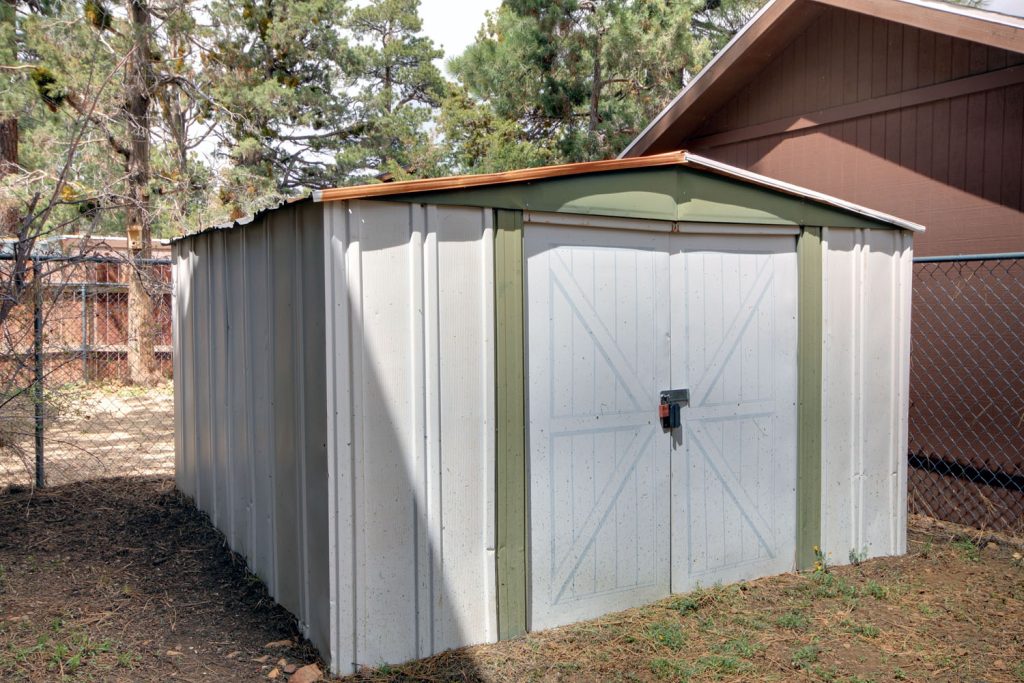
A prefab shed is basically a small building made with steel panels and a sturdy frame for an overall look and functionality. From the outside, it looks neat, modern, and practical. It’s like a little guard standing tall in your backyard to protect whatever you store inside it. You don’t have to worry about issues like warping, cracking, or attracting termites because steel’s texture resists all of these problems. It retains the shed’s shape for decades.
You get an open layout that can be tailored for tools, garden gear, bikes, or even a small workshop. Some metal sheds come with roll-up doors, windows, or insulation, depending on the buyer’s needs.
Why You Must Take Care of Your Shed?
You may have heard that refabricated sheds are low-maintenance, but they still require some level of care to ensure they last for several decades. If you are also one of the homeowners who believe that metal sheds require no maintenance, here are the issues the structure faces without care.
- Small rust spots can grow and weaken panels over time.
- Loose screws may allow water to enter and cause the structure to collapse during strong winds.
- Debris on the roof may trap moisture and cause leaks.
You will find many more reasons to take care of a shed if you examine the timeline of a typical steel structure and the factors that accelerate its deterioration.
Tools You Will Need for Shed Maintenance
We have shared some practical tips for maintaining a steel shed. Most of these methods require the right tools. Without the right tools, you may end up with improper repair and maintenance.
You don’t need fancy tools, but a few basic tools that are available easily and make your job easy:
- Soft Brush and Hose: Used for cleaning dirt and dust
- Mild Soap: It’s safe for panels without removing paint.
- Plastic Snow Rake: For safely clearing heavy snow.
- Wire Brush and Sandpaper: Used to remove rust from walls
- Rust Primer and Touch-up Paint: Suitable for minor repairs.
- Screws, washers, and sealant: Used for leaks and loose spots.
- Lubricant spray: For hinges, rollers, and locks.
If you have all these tools or some of them, that means you can fix minor issues the same day you spot them.
Here Are 8 Easy Ways to Maintain Your Metal Sheds
There are many ways to maintain custom metal sheds, but improper methods only waste time and resources. That’s why we have presented some ways that are not only easy but also provide results on time.
- Regular Shed Inspections:
If you have no idea what the issue is, how will you resolve it? Inspection helps you find that issue and fix it on time. Even if the shed seems perfect from start to finish, still inspect it regularly. You can inspect it twice a week, once a week, or once every fortnight.
One of the best habits is to check your building at the time you decide. You can do a quick walk-around every month and inspect it each season. Look for the following things during the inspection.
- Loose or missing screws.
- Rust spots or chipped paint.
- Leaks inside the roof or walls.
- Doors that squeak or get stuck.
- Smells of damp or signs of mold.
This is how you can identify problems when they are in their early stages and address them. If you ignore them, they could increase the structure’s cost over time.
- Cleaning Your Metal Shed Properly:
There’s no way to eliminate cleaning for now. You should clean your shed regularly to maintain a tidy space and to identify any issues quickly. Dirt, leaves, and branches lead to water blockage; over time, this waste leads to corrosion. Don’t worry, cleaning a shed building doesn’t take long due to its size and steel texture.
Best ways for metal shed cleaning:
- Brush off loose dirt from the walls and the roof.
- Spray gently with a garden hose.
- Mix soap with water and wash panels with a soft brush.
- Rinse until the soap is gone.
- Wipe edges and seams to stop water pooling.
The frequency of cleaning depends on the location of your customized metal shed. You need to clean it twice if the structure is located near trees.
3. Checking Screws and Seals:
Have you ever heard of collapsing metal sheds? The reasons can be many, but the key reasons are loose screws, seals, and improper anchoring. For proper anchoring, discuss with your shed installers. But screws and seals can lose their grip over time. For this, you need to check on them regularly yourself. It’s crucial because they stop panels from moving and keep water out. Moreover, a few minutes checking these parts will save you from leaks and repairs later.
What to do for proper screws and seals:
- Tighten loose screws gently. Don’t over-tighten.
- Replace broken washers with new neoprene ones.
- Reapply sealant around windows, doors, and roof seams.
4. Fix Leaks the Right Way
Even a small leak can cause significant problems in a shed. It often becomes the main reason for rusting and spoilage of perishable items inside the shed. It is because leaks are easy ways for water to enter and develop moisture inside the shed.
Here is what you can do to deal with leaks:
- Locate the leak source, typically near a screw or seam.
- Clean and dry the spot where you found a leak.
- Use roofing tape or silicone sealant to patch the gap.
- If there’s rust, sand it first, then seal and paint.
Test your fix with a hose or wait for the next rain. If the leak is large, call a professional immediately to prevent it from spreading.
5. Stop Rust Early
Rust is the number one enemy of metal sheds. Proper care of the shed is essential to prevent rust, and if it has already occurred, remove it as soon as possible. If ignored, rust spreads fast and weakens the whole wall or roof. You can prevent it for a long time by choosing a galvanized or coated steel shed building.
Stop rust using these steps:
- Sand the rust spot until shiny metal shows.
- Wipe the dust away.
- Apply rust primer.
- Paint over it with shed-safe paint.
6. Caring for the Roof
A metal shed roof has to face the worst situations. Heavy snow, falling branches, and leaves all put pressure on the roof. Thus, it requires even more proper care than other parts of the structure. This way, you can ensure the roof remains strong enough to bear the load and pressure for an extended period.
To care for your roof:
- Clear leaves and branches after storms.
- Keep gutters clean and empty so water can run off.
- Remove heavy snow with a plastic rake.
- Watch for sagging areas, which may mean fasteners are loose.
- Install vertical roof metal sheds.
7. Check the Foundation and Ground
The shed’s base is just as crucial as its roof. Water pooling at the bottom also damages panels and deteriorates the structural integrity way too early. You can stop it from happening with your custom metal sheds and extend the time they remain in your service.
Every season:
- Make sure the ground slopes away from your shed.
- Fill cracks in a concrete base with sealant.
- Replace rotten wood if your shed rests on wooden beams.
- Check anchors – loose anchors make sheds unstable in wind.
Good foundations keep the shed safe and upright for years.
8. Keep Plants and Pests Away
A shed decorated with plants looks beautiful. However, it also becomes a reason for pests to grow in a shed. It increases moisture and pest infestations, which invite many other issues and make the space unhygienic for you and your family members. So, it would be better if you focus on steps that help you keep these issues at bay. We have made it easy for you with our proven and tested methods.
- Trim back bushes and keep soil away from walls.
- Don’t pile mulch or wet leaves against panels.
- Seal food in tight containers to prevent rodents from moving in.
- Knock down wasp nests under the roof before they get big.
Seasonal Care Checklist: Because Every Season is Different
You can’t use the same maintenance techniques for all seasons. This is because metal structures behave differently in different seasons. They require specialized care tailored to a specific season, so you can keep the space in better condition no matter what the weather is. We have shared a checklist for the maintenance. Make this checklist part of your routine, and your shed will always be ready.
Spring – After the cold months, your shed may carry hidden damage. So, clean gutters to let water flow freely. Wash the panels to remove salt, mud, or mildew that winter left behind. Carefully inspect the metal shed roof for any loose panels, dents, or leaks that may have been caused by snow and ice buildup.
Summer – Heat can wear down your shed faster than you realize. A timely repaint helps to fix growing rust and stop it from forming for a long time. Use hinges and locks with lubricant to avoid squeaks and stiffness. Also, keep an eye out for pests, especially wasps or rodents that may try to enter and grow inside your building.
Fall – Falling leaves and stormy weather can quickly clog parts of your shed in the fall season. You need to clear leaves and debris from the roof, gutters, and around the foundation to prevent clogs. Test the seals on doors and windows to ensure rain can’t get inside. As storms are common this time of year, double-check anchors and fasteners to ensure your shed can withstand pressure and load.
Winter – Accumulated snow and ice make it difficult for metal sheds to last longer. This is why you need to clear snow buildup from the roof regularly to avoid extra weight and stress on the frame. Check all anchors and ground supports to ensure the shed is firmly held in place during icy winds.
When to Call a Professional?
In some cases, you may need the help of a professional. It typically occurs when things are no longer within your control. You also need a professional when some fixes are too risky to do alone.
Situations when you should call a professional:
- Roof panels are loose or sagging badly.
- Anchors have pulled out.
- Rust has eaten through large sections.
- Roll-up door springs are broken.
Treat Your Shed Like an Investment
Your metal shed is a thoughtful investment in safety and peace of mind. This structure pays back when you take care of it using the right ways. Ensure you clean the space regularly, perform seasonal check-ups, and maintain it properly so that it remains in good condition for several years. This way, the structure will protect your tools, vehicles, and any other items you store inside. Since you are maintaining the shed properly, you can save money and time that would otherwise be spent on repairs.