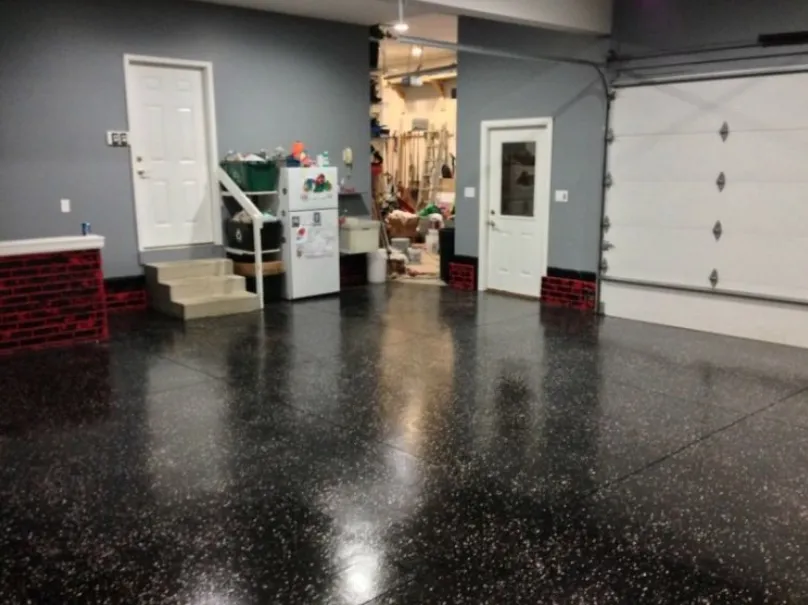
Look down at your garage floor right now. Chances are, you’re staring at cracked, oil-stained concrete that’s seen better days. Maybe there’s some weird discoloration in the corner. Or perhaps the surface is chipping away like old paint. Here’s the thing. Your floor doesn’t have to stay that way.
Epoxy finishes have completely changed the game for concrete surfaces. We’re talking garages, warehouses, commercial spaces, you name it. What used to be boring, damaged concrete can become something that actually looks good and works even better.
This isn’t just about making things pretty. Sure, that’s part of it. But the real story is how epoxy protects your investment and solves problems you didn’t even know you had.
People everywhere are figuring this out. From homeowners tired of looking at grimy garage floors to business owners who need serious durability. The results speak for themselves when done right.
What Epoxy Actually Is
Let’s get one thing straight. Epoxy isn’t regular floor paint. Not even close. You’ve got two parts working together here: resin and hardener. Mix them, and something cool happens. They trigger a chemical reaction that bonds directly to your concrete at a molecular level. This stuff becomes one with your floor. It’s not sitting on top waiting to peel off next month.
Now, thickness matters depending on what you need. Some jobs only need thin coats for basic looks and protection. Others? They require serious layers that can handle forklifts and constant abuse.
That’s where epoxy flooring contractors earn their keep. They know which system fits your exact situation. Because trust me, picking the wrong one costs you later.
Too much moisture? Your epoxy won’t stick properly. Temperature all over the place? The curing gets messed up. This is exactly why DIY jobs often fail while professional work lasts for years.
Why People Actually Choose Epoxy
Yeah, the transformation looks amazing. That initial “wow factor” gets people interested every time. But here’s what keeps them happy five years down the road.
Chemical resistance is no joke with these floors. Spill motor oil, brake fluid, paint thinner whatever. It’s not staining your concrete because nothing’s getting through that sealed surface. Bare concrete is basically a sponge for nasty stuff. Epoxy shuts that down completely.
Cleaning becomes stupid simple. Sweep regularly, mop when needed. That’s literally it. You’re not scrubbing forever trying to lift stains that soaked in months ago.
The smooth finish doesn’t trap dirt either. Or dust, pollen, pet dander, any of it. This makes a real difference if anyone in your house has allergies. Durability? That’s where epoxy really shines. Heavy traffic doesn’t faze these floors. Cars driving over them daily, equipment rolling around, people walking everywhere. Properly installed epoxy just handles it.
Impact resistance prevents those annoying chips you get with regular concrete. Drop something heavy? No problem. The flexible nature lets the coating move slightly with temperature changes instead of cracking.
Prep Work You Can’t Skip
Surface prep determines everything. Let me repeat that. Everything. Epoxy garage floor installers spend serious time on this phase for good reason. Cut corners here, and your beautiful new floor fails within a year. Maybe sooner.
First comes deep cleaning. Every bit of oil, grease, old coatings, that white crusty stuff called efflorescence all of it has to go. Then mechanical prep starts. Usually diamond grinding or shot blasting. This process opens up the concrete’s pores and creates texture for the epoxy to grab onto.
You’re removing weak surface layers and exposing solid concrete underneath. That texture is called “profile,” and without it, adhesion fails. Got cracks or damage? Those get fixed before any coating goes down. Special repair compounds fill everything in. Ignoring this just means problems pop through your epoxy later.
How Installation Actually Goes Down
The whole process takes multiple days. Sometimes a week depending on complexity and weather conditions. Patience pays off here. Primer goes down first after all that prep work. It soaks into the concrete and starts building that critical bond. Some primers include fillers that smooth out minor imperfections.
Next up is your base coat. This layer brings the foundation color and starts adding thickness. If you’re doing decorative stuff, this is often when it happens. Color flakes, metallic pigments, quartz aggregates get added now. They create depth and visual interest. Plus they actually boost slip resistance, which matters.
Picking the Right Stuff
Not all epoxy products are created equal. Some are frankly garbage compared to others.
Solids content tells you a lot. That’s the percentage of actual epoxy versus solvents that evaporate. Higher solids mean better coverage and longer life. Sure, high-solids formulations cost more initially. But they last way longer. The math works out in your favor over time.
Different epoxy chemistries handle different environments. Standard stuff works fine in stable conditions. But it yellows under sunlight, which looks terrible. Modified systems resist that yellowing and deal with temperature swings better. Specialized formulas exist for extreme situations like thermal shock or harsh chemicals.
Real Talk About Costs
Money matters, so let’s address it. Epoxy isn’t the cheapest flooring option out there. But it’s far from the most expensive either.
DIY kits from big box stores run pretty cheap. Maybe a couple hundred bucks for a basic garage. Sounds tempting, right? Here’s the catch. Those kits use lower-quality materials. The epoxy is thin, coverage is limited, and durability doesn’t compare. Plus installation mistakes are almost guaranteed without experience.
Professional installation costs significantly more upfront. You’re looking at several dollars per square foot depending on system complexity. Decorative options push prices higher. But consider what you’re getting. Expert surface prep that actually sticks. Commercial-grade materials built to last. Proper application by people who do this daily. Most importantly? Warranty coverage when something goes wrong. DIY fails, you eat the entire cost again. Professional work fails, they fix it.
Maintenance Keeps Things Looking Good
Epoxy floors need minimal maintenance. But they do need some attention to stay looking fresh. Regular sweeping or dust mopping handles daily debris. This prevents dirt from getting ground into the surface texture. It takes like five minutes.
Mop with mild cleaners when things get dirty. Nothing fancy required here. Regular floor cleaner or even dish soap works fine. Avoid harsh chemicals that might dull the finish. Also skip abrasive scrubbers that could scratch the surface. Gentle cleaning tools do the job.
Wipe up spills promptly even though epoxy resists staining. Standing liquids can still get tracked around, creating a mess. Quick cleanup prevents this. Address damage immediately if it happens. Small chips or scratches can be repaired easily when caught early. Let them spread, and repairs get complicated.
Common Mistakes People Make
Rushing surface prep is mistake number one. It’s boring, it’s time-consuming, it’s physically demanding. But skipping steps here ruins everything.
Applying epoxy over contaminated concrete causes adhesion failure. The coating might look fine initially. Then it starts peeling or bubbling within months. Ignoring moisture issues creates disasters. Epoxy traps moisture in the concrete, causing pressure buildup. Eventually the coating delaminates, and you’re back to square one.
Applying coats too thick causes problems. Thick applications can crack during cure or trap air bubbles. Follow manufacturer specs on thickness. Not allowing proper cure time between coats creates weak bonds. Each layer needs time to set before the next goes down. Patience isn’t optional.
Special Situations and Solutions
Outdoor applications need UV-stable systems. Regular epoxy yellows terribly in sunlight and can delaminate from thermal cycling. Specialized outdoor formulas handle this. Food preparation areas require FDA-compliant coatings. Standard epoxy might not meet health codes for these spaces. Make sure your contractor knows the requirements. High-temperature environments need heat-resistant systems. Regular epoxy softens and can fail above certain temperatures.
Freezer floors face unique challenges from extreme cold and thermal shock. Special flexible systems prevent cracking from temperature swings. Pharmaceutical or medical facilities often need antimicrobial additives. These prevent bacteria growth in the coating itself. Important for sterile environments
The Environmental Angle
Modern epoxy systems have gotten much better environmentally. VOC content has dropped significantly in recent formulations.
Low-VOC options emit fewer fumes during application and cure. Better for installers and building occupants. Plus many areas now require low-VOC products by code. Water-based epoxies exist but don’t perform quite as well. They’re easier to clean up and safer to apply. Trade-off between performance and environmental impact.
Epoxy floors can contribute to green building certifications. Their durability means less frequent replacement. Reflectivity reduces lighting energy requirements. The long lifespan beats alternatives that need replacing every few years. Less material consumption over time. Fewer disposal trips to landfills.
Is Epoxy Right for You?
Consider your actual needs before committing. Epoxy solves specific problems really well. But it’s not always the perfect answer.
Budget plays a role obviously. Can you afford quality professional installation? If not, maybe wait rather than going cheap.
How do you use the space? Light residential use doesn’t need industrial-grade systems. Match the solution to the problem. Existing concrete conditions matter hugely. Badly damaged slabs might need extensive prep or repair. Sometimes replacement makes more sense financially.
Aesthetic preferences drive some decisions. If you want that polished, professional look, epoxy delivers. Prefer another appearance? Consider alternatives. Long-term plans for the space matter too. Selling soon? Maybe don’t invest heavily. Staying put for years? Quality flooring makes sense.