
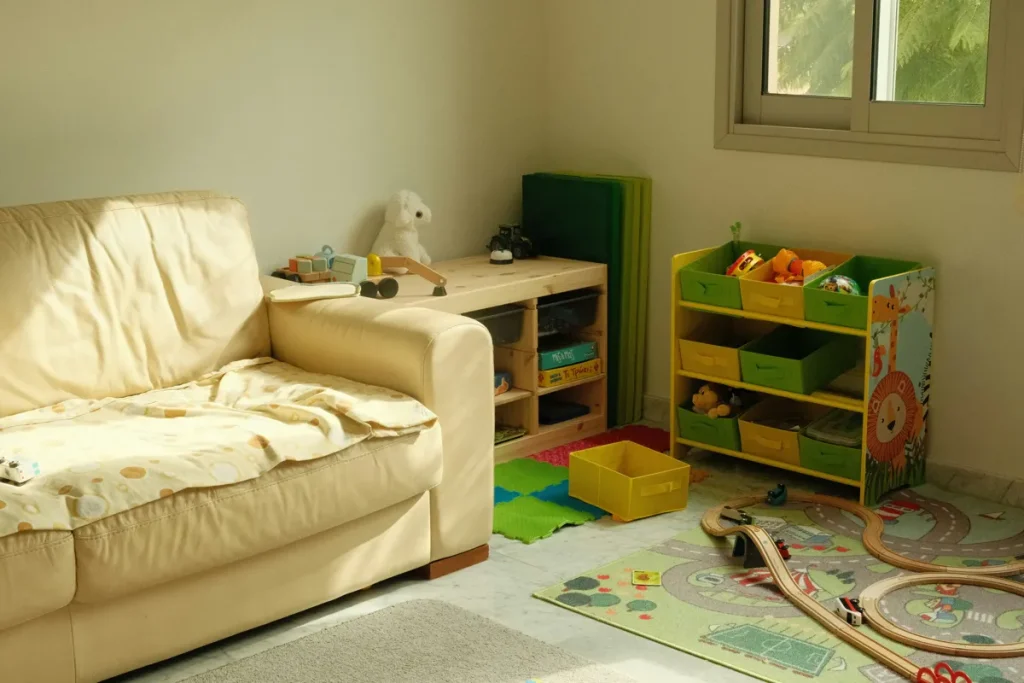
Creating a comfortable, safe, and inspiring space for your child begins with the furniture you choose. Children’s furniture is more than just mini-sized tables, beds, and chairs—it plays an important role in your child’s comfort, safety, and overall development. The right pieces encourage creativity, organization, and independence while providing a nurturing environment where your little one can rest, learn, and play. However, choosing the right furniture for your child’s room involves more than picking what looks cute. It requires a thoughtful approach that balances function, safety, and style.
Safety Always Comes First
When choosing children’s furniture, safety should always be your top priority. Unlike adults, children are curious, active, and sometimes unpredictable, which means their surroundings must be designed to minimize risks. Look for furniture with smooth, rounded edges instead of sharp corners to prevent injuries during playtime. Sturdy construction is another must—lightweight or wobbly pieces can tip over easily and cause accidents.
It’s also important to make sure that any paints or finishes used on the furniture are non-toxic and free from harmful chemicals such as lead or formaldehyde. If you’re buying cribs, bunk beds, or high chairs, check that they meet current safety standards and certifications. Securing tall pieces like dressers or bookshelves to the wall can also prevent tipping, especially as children tend to climb and explore.
Choosing the Right Size and Scale
Children grow quickly, and their needs change just as fast. When selecting furniture, consider the size and age of your child. Oversized furniture can be intimidating and impractical, while pieces that are too small may not last long. Ideally, furniture should be proportionate to your child’s current height and size but also versatile enough to adapt as they grow.
For example, opt for adjustable chairs and desks that can grow with your child through different school stages. Beds with removable guardrails or convertible cribs that transform into toddler beds are also great long-term investments. When furniture fits your child properly, it not only makes them more comfortable but also helps them feel independent and confident in their space.
Prioritizing Comfort and Ergonomics
Comfort is essential when it comes to children’s furniture. Your child will spend hours sitting, reading, playing, and sleeping, so ergonomic design plays a big role in their well-being. Chairs should support good posture, especially for school-aged children who do homework at a desk. Mattresses should be firm enough to provide proper support but soft enough for a restful night’s sleep.
For younger kids, comfort also means accessibility. Furniture that is easy to reach, open, and use allows them to learn self-reliance. A small bookshelf where they can choose their own bedtime stories or a low dresser where they can pick out clothes helps foster responsibility and confidence.
Functionality and Storage Solutions
Children’s rooms often serve multiple purposes—bedroom, playroom, and study space all in one. To keep everything organized and clutter-free, choose furniture that offers smart storage solutions. Look for beds with built-in drawers, desks with shelving, or toy chests that double as seating.
Multifunctional furniture not only saves space but also encourages your child to stay organized. When every item has its own place, cleaning up becomes an easier and more enjoyable habit. For shared rooms, space-saving furniture like bunk beds or stackable storage bins helps keep things tidy and ensures both kids have enough room to play and relax.
Quality and Durability Matter
Kids can be tough on furniture. From climbing to jumping to spilling snacks, their everyday activities can quickly wear out low-quality pieces. Investing in durable furniture made from solid wood or high-quality materials ensures that it can withstand daily use. While these items may cost more upfront, they often last longer and save you money in the long run.
Examine how pieces are constructed—sturdy joints, reinforced corners, and reliable hardware make a big difference. Avoid furniture held together by weak glue or thin particleboard, which can easily break or warp. Durability doesn’t just affect longevity—it also affects safety and peace of mind.
Style and Personality
While safety and functionality are critical, aesthetics also play a role in creating a space that reflects your child’s personality. Choose colors, patterns, and designs that make your child feel happy and comfortable. Involving them in the decision-making process can be a fun experience—let them pick their favorite theme or color palette to make the room feel more personal.
That said, it’s best to avoid overly trendy designs that your child might outgrow quickly. Instead, go for timeless styles and neutral tones for larger furniture pieces, and use colorful accents like rugs, wall art, or bedding to reflect changing tastes over time. This approach gives you flexibility to refresh the room’s look without replacing major furniture pieces.
Easy Maintenance and Cleaning
Children’s furniture inevitably faces spills, stains, and scratches. To make your life easier, choose materials that are easy to clean and maintain. For example, washable covers, stain-resistant finishes, and wipeable surfaces are all practical options for high-traffic furniture.
If you’re buying upholstered items, look for fabrics that can handle frequent cleaning or spot treatment without fading. Furniture that’s easy to disassemble and reassemble can also make deep cleaning or moving much simpler. Low-maintenance pieces help you spend less time worrying about messes and more time enjoying the space with your child.
Planning for Growth and Adaptability
Kids grow fast, and their needs evolve quickly. A toddler’s playroom will look entirely different from a pre-teen’s study area. When purchasing furniture, think long-term. Choose modular designs that can adapt to new stages of development—convertible furniture, for instance, allows you to transition from a nursery to a big-kid room without starting from scratch.
This adaptability not only saves money but also helps reduce waste, making it an eco-friendly choice for families who want to live more sustainably.
Conclusion
Choosing children’s furniture requires more thought than simply picking what looks adorable in a catalog. It’s about finding the perfect balance of safety, comfort, durability, and design—furniture that grows with your child and supports their development. From ensuring safety standards to promoting independence and organization, the right pieces can transform your child’s room into a place of creativity, learning, and comfort.
Ultimately, investing in quality children’s furniture means investing in your child’s daily happiness and long-term well-being. When their environment is safe, supportive, and inspiring, your child can thrive in every stage of growth—and that’s the best reward any parent could ask for.