Here’s something interesting: while everyone’s racing to dominate social media feeds and perfect their email campaigns, physical marketing materials are quietly proving they’re far from obsolete. There’s a reason why that glossy brochure or creative promotional item catches your attention in ways that the hundredth digital ad of the day just doesn’t. Physical marketing creates something digital content struggles with, a genuine, lasting impression that sticks with people. Sure, experts predicted traditional marketing would fade into irrelevance, but tangible materials have stubbornly refused to disappear. If anything, they’ve become more valuable precisely because they’re less common. Understanding what makes physical marketing effective isn’t just academic curiosity; it’s essential for building marketing strategies that work in today’s oversaturated landscape.
The Psychological Impact of Physical Marketing
There’s fascinating neuroscience behind why that business card or catalog stays in your mind longer than the banner ad you scrolled past this morning. When you hold something physical, your brain doesn’t just process what it sees; it engages tactile sensors, spatial reasoning, and memory centers all at once. This multisensory experience creates neural pathways that simple visual stimulation can’t match. Consumer psychology research reveals something remarkable: physical objects trigger ownership feelings before anyone’s even made a purchase, creating psychological investment in the brand itself.
Building Trust Through Tangible Presence
Digital skepticism has reached an all-time high, and for good reason. Between phishing emails, fake social media accounts, and dubious online ads, consumers have developed finely tuned digital BS detectors. Physical marketing cuts through this skepticism in ways pixels can’t. When a company sends a professionally designed catalog or hands you a quality business card, there’s an implicit message: “We’re real, we’re established, and we’re not hiding behind a screen.
Standing Out in a Cluttered Digital Landscape
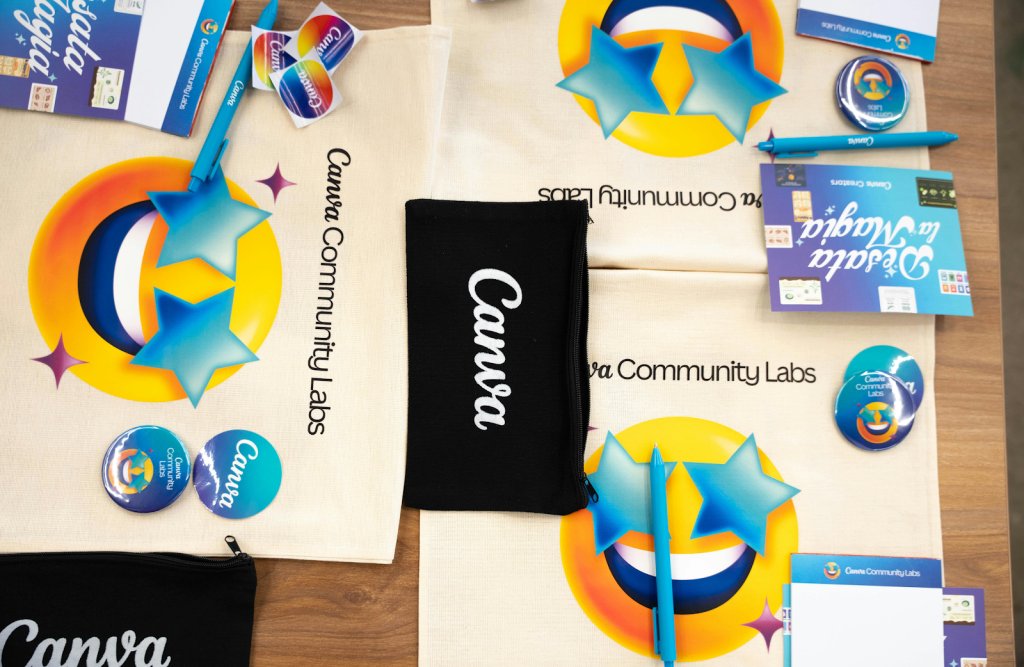
Think about your typical day: how many digital ads do you see? Hundreds? Thousands? Most people have developed what psychologists call “banner blindness”, the ability to completely tune out digital advertising without conscious effort. This digital saturation has created an unexpected opportunity for physical marketing. When something tangible arrives, whether it’s an unexpectedly creative mailer or a thoughtfully designed promotional item, it breaks through the noise precisely because it’s different. Physical materials don’t have to fight algorithm changes, ad blockers, or spam filters for visibility.
Targeting Specific Demographics Effectively
Not everyone lives online, and that’s where physical marketing finds some of its strongest advantages. Older demographics, who might feel overwhelmed by constant digital change, often prefer marketing materials that feel familiar and trustworthy. High-earning professionals drowning in screen time appreciate marketing that doesn’t demand they open another browser tab. Local businesses trying to reach neighborhood customers can achieve geographic precision with direct mail that digital ads can’t match without substantial budgets. For luxury brands and premium services, material quality tells a story that pixels struggle to convey. Thick cardstock, embossed details, and premium finishes communicate value in ways that even the most beautifully designed website cannot. At industry events and trade shows, professionals looking to make lasting impressions often turn to custom cd printing to deliver portfolios, presentations, or product information in formats recipients can actually keep and reference later. Physical marketing also bypasses corporate digital filters and blockers, reaching decision-makers directly through their physical mailboxes and reception desks rather than getting caught in spam folders or ad-blocking software.
Creating Emotional Connections Through Sensory Experience
Digital marketing appeals to one, maybe two senses if audio’s involved. Physical marketing? It’s an entirely different experience. The weight of quality paper stock in your hands, the subtle texture of embossing under your fingertips, even the faint smell of fresh printing. These sensory details create emotional resonance that flat screens can’t replicate. When a brand invests in premium materials and creative design, recipients notice.
Conclusion
Physical marketing materials aren’t surviving despite the digital age; they’re thriving because of it. Their unique advantages in building trust, creating memorable experiences, and cutting through digital noise ensure they remain valuable tools in any comprehensive marketing strategy. The psychological impact of tangible items, combined with their ability to engage multiple senses and create lasting impressions, gives them a distinct place that digital channels simply cannot fill. Smart businesses aren’t choosing between digital and physical marketing; they’re recognizing how these approaches complement each other, with each serving purposes the other cannot. The continued effectiveness of tangible marketing ultimately comes down to fundamental human nature: we’re physical beings who respond to sensory experiences and tangible objects in ways that screens alone can’t satisfy. That’s not changing anytime soon, which means physical marketing materials will continue earning their place in effective marketing strategies for years to come.