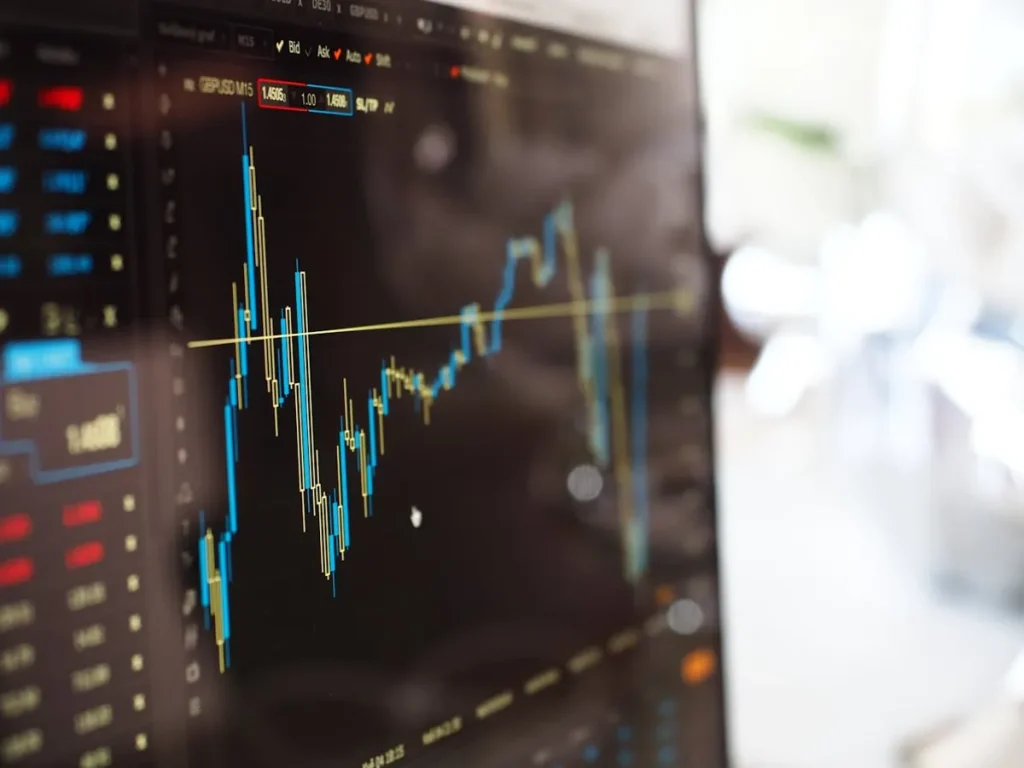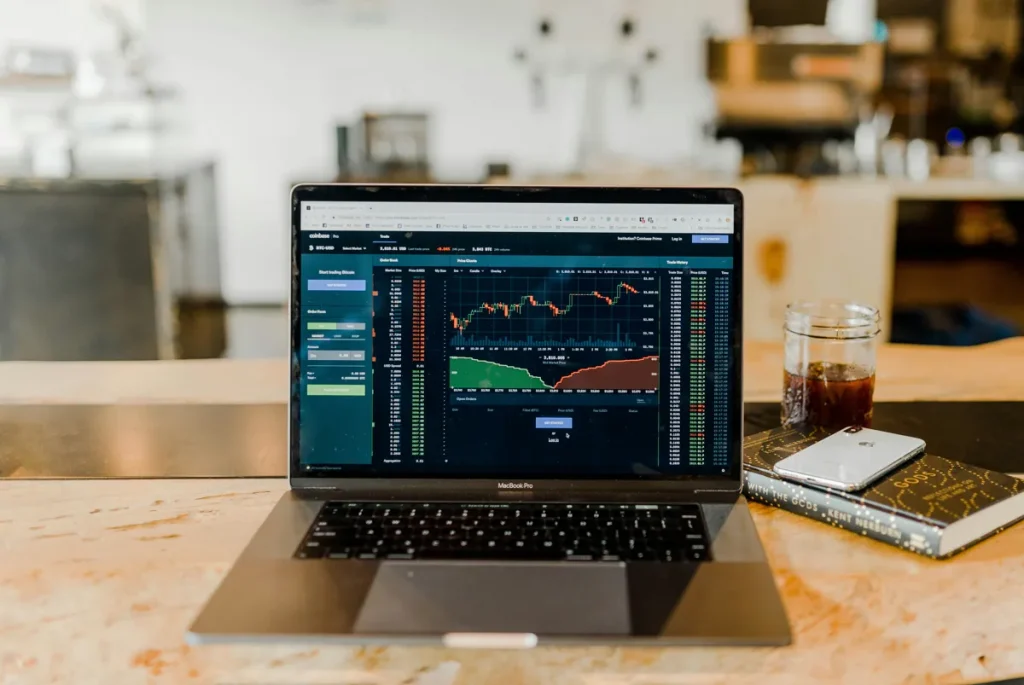

Investing in any financial market requires multiple tools and platforms. Investors use trading and demat accounts as two major and simple tools through which they can trade in the stock market. Both types of accounts are fundamental for buying and selling securities, but each serves a different purpose. Once learned, the key differences between both would enlighten investors about making informed decisions and managing investments.
What Is a Trading Account?
A trading account serves as a platform through which an investor can place buy/sell orders in the stock market. This type of account links to the bank account and the demat account of the investor. A trading account enables investors to expedite trades on numerous exchanges in India, such as NSE (National Stock Exchange) and BSE (Bombay Stock Exchange).
The way an investor buys a share is as follows: the trading account initiates the transfer of orders placed with a stock exchange for the purchase. The exchange then executes orders, after which the securities move to the demat account belonging to the investor.
What is a Demat Account?
Dematerialized accounts hold securities in dematerialized form. These accounts replace the older, physical share certificates. The specific instruments that the demat account owns can include shares, bonds, mutual funds, or ETFs (exchange-traded funds).
This account operates like a bank account, except it contains investments instead of currency. For example, when investors buy shares through a trading account, those shares get credited into that particular demat account. When investors sell shares, those shares get debited from that account.
Differences Between Trading Account and Demat Account
Both accounts are essential for investing in the stock market, but they have separate functions. The following are those differences Between Trading and Demat Account:
Functionality
Trading accounts place buying and selling orders.
Investors use a demat account specifically for holding financial instruments in digital form.
Purpose of the Account
Trading accounts transact in the marketplace, unlike demat accounts.
The demat account’s purpose is to keep all purchased securities.
Nature of Transaction
The trading account focuses on the transaction and becomes quite active for the investor when they pursue a trade.
The Demat account passively stores securities and does nothing with them unless investors sell or transfer them at some point in time.
Linking
Investors must link their trading account with a demat account and a bank account to complete transactions.
A Demat account usually connects with a trading account but can operate independently for holding assets that are not actively traded.
Statement and Activity
Trading account statements comprise history analysis that includes order executions and trade summaries.
A Demat account statement indicates holdings, credited securities, debited securities, and other corporate actions and effects such as dividends or splits.
Use in Different Markets
Investors use a trading account to trade stocks as well as derivatives and commodities.
A Demat account is for holding assets in dematerialized form.
Account Opening and Charges
Investors open their trading accounts through brokers, who may charge commission fees, AMC, and transaction fees for their services.
Depositories or depository participants (DPs) open demat accounts; such accounts may incur AMC and custodian charges as well.
Selecting a Trading and Demat Account
Many financial institutions and brokers nowadays offer accounts in two or three-in-one packages, so there are trading, demat, and bank accounts to facilitate the processes by eliminating manual transfer.
While comparing different account providers, consider the following:
Ease of application and functions of trading platforms.
Charges (brokerage, AMC, transaction fees).
Customer service.
Regulatory compliance.
Conclusion:
A trading account, however, functions as an avenue to carry out the buying and selling of securities, while the whole thing is stored electronically in a demat account. Trading and demat accounts are the important accounts an investor needs to have in order to deal in the stock market.