
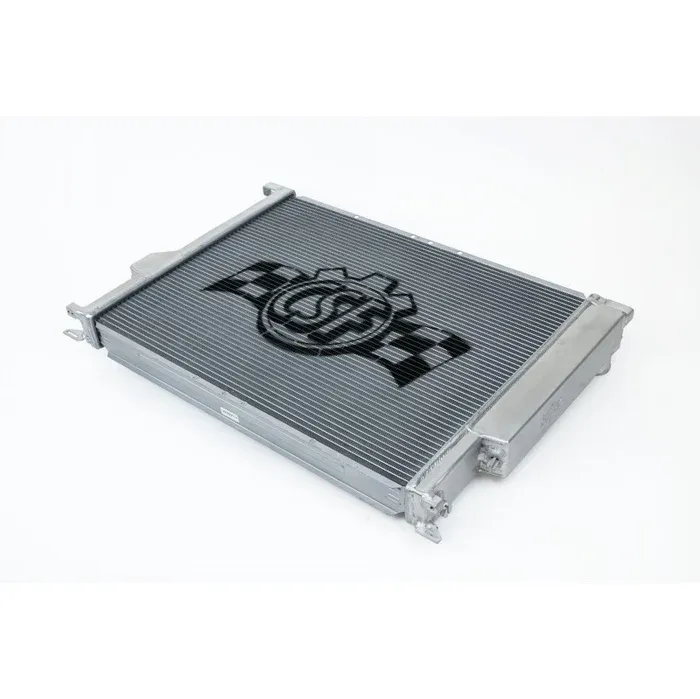
Advanced Radiator Engineering and the Science of Automotive Thermal Management
Every internal combustion engine operates within a carefully controlled thermal environment. The process of converting fuel into mechanical energy inevitably produces heat as a byproduct of combustion and mechanical friction. If this heat is not effectively removed from the engine, internal temperatures can rise beyond safe operating limits, potentially leading to accelerated wear, reduced efficiency, or structural damage to engine components. Within the architecture of the vehicle cooling system, car radiators function as the primary heat exchange mechanism responsible for dissipating this excess thermal energy.
As automotive engineering continues to evolve, engines have become more powerful and thermally dense. Modern powertrains often produce greater output from smaller displacement engines through technologies such as turbocharging, direct fuel injection, and higher compression ratios. These developments increase the amount of heat generated within the combustion chamber and surrounding engine structure. Consequently, radiator design has become increasingly important for maintaining the delicate balance between engine performance, thermal stability, and long-term reliability.
The Architecture of the Automotive Cooling Circuit
An automotive cooling system is designed as a closed-loop circuit that transfers heat away from the engine and releases it into the surrounding air. The process begins as coolant circulates through passages within the engine block and cylinder head. As the coolant flows around combustion chambers and exhaust ports, it absorbs heat generated during engine operation.
Once the coolant temperature rises, the heated fluid exits the engine through the upper coolant hose and enters the radiator assembly. Inside the radiator, the coolant flows through a network of narrow tubes arranged in rows across the radiator core. Attached to these tubes are thin metal fins that greatly increase the total surface area available for heat transfer.
Air moving through the radiator carries heat away from these fins, lowering the temperature of the coolant before it returns to the engine. This continuous cycle ensures that heat generated during combustion does not accumulate within the engine structure. Thermostats and temperature sensors regulate coolant flow to ensure the engine maintains an optimal operating temperature range during both cold start and sustained operation.
Heat Transfer Physics in Radiator Design
The effectiveness of a radiator depends on several physical processes that govern heat transfer. Conduction allows thermal energy to move from the hot coolant into the walls of the radiator tubes. This heat then spreads into the attached fins, which act as extended surfaces designed to maximize heat exchange with the surrounding airflow.
Convection occurs as air flows across the fins and carries heat away from the radiator. The rate of convective heat transfer increases when airflow velocity rises, which explains why cooling efficiency improves at higher vehicle speeds. During low-speed driving or idle conditions, electric cooling fans assist by pulling air through the radiator core to maintain sufficient airflow.
Radiator materials must support efficient heat transfer while remaining durable under constant thermal cycling. Aluminum has become the most widely used material in modern radiator construction because it offers an excellent combination of thermal conductivity, corrosion resistance, and low mass. These properties allow radiators to dissipate heat effectively while minimizing additional vehicle weight.
Cooling Requirements in High Output Powertrains
Performance engines generate considerably more heat than standard passenger vehicle engines. Increased combustion pressures, higher rotational speeds, and prolonged periods of high engine load create a greater demand for efficient cooling. Under these conditions, the cooling system must remove heat rapidly enough to prevent temperature fluctuations that could negatively affect engine operation.
Turbocharged engines further intensify these cooling requirements. Compressing intake air increases combustion temperatures, which places additional thermal stress on the engine block, cylinder head, and surrounding components. Effective cooling is therefore critical for preventing overheating during sustained acceleration or high-speed driving.
When performance modifications increase engine output, engineers often upgrade cooling systems to match the new thermal demands. Larger radiator cores, improved airflow ducting, and enhanced coolant flow characteristics are commonly used strategies. In these systems, the efficiency of the car radiator plays a direct role in maintaining consistent operating temperatures during demanding driving conditions.
Structural Design Elements That Influence Radiator Performance
Radiator efficiency depends on a combination of geometric design variables and airflow management strategies. Tube width, core thickness, and fin spacing all affect how effectively heat can move from the coolant into the surrounding air. Increasing the number of tubes or rows within the radiator core can increase cooling capacity by expanding the total heat transfer surface area.
However, radiator design must also account for airflow resistance. If the radiator core becomes too dense, airflow through the cooling assembly may be restricted. Engineers must therefore optimize fin geometry to maximize heat transfer without significantly reducing airflow efficiency.
Airflow management around the radiator assembly is another important consideration. Vehicle designers often incorporate ducts and shrouds that guide incoming air directly through the radiator core. Proper airflow direction ensures that the maximum amount of air passes across the heat exchange surfaces, improving overall cooling performance.
The Relationship Between Cooling Efficiency and Engine Durability
Thermal stability plays a crucial role in maintaining engine durability. Excessive heat can cause lubricating oil to break down, reduce bearing life, and increase material fatigue within engine components. If engine temperatures rise beyond safe limits, structural distortion or premature component wear may occur.
Radiators therefore act as an essential safeguard within the engine’s thermal management system. By continuously transferring heat away from circulating coolant, the cooling system prevents temperature spikes and maintains stable operating conditions during both normal driving and high-performance operation.
In modern vehicle design, the automotive radiator remains a fundamental component responsible for supporting efficient thermal regulation. As engines continue to evolve with higher power density and advanced combustion technologies, radiator engineering will remain central to maintaining reliable and consistent vehicle performance.