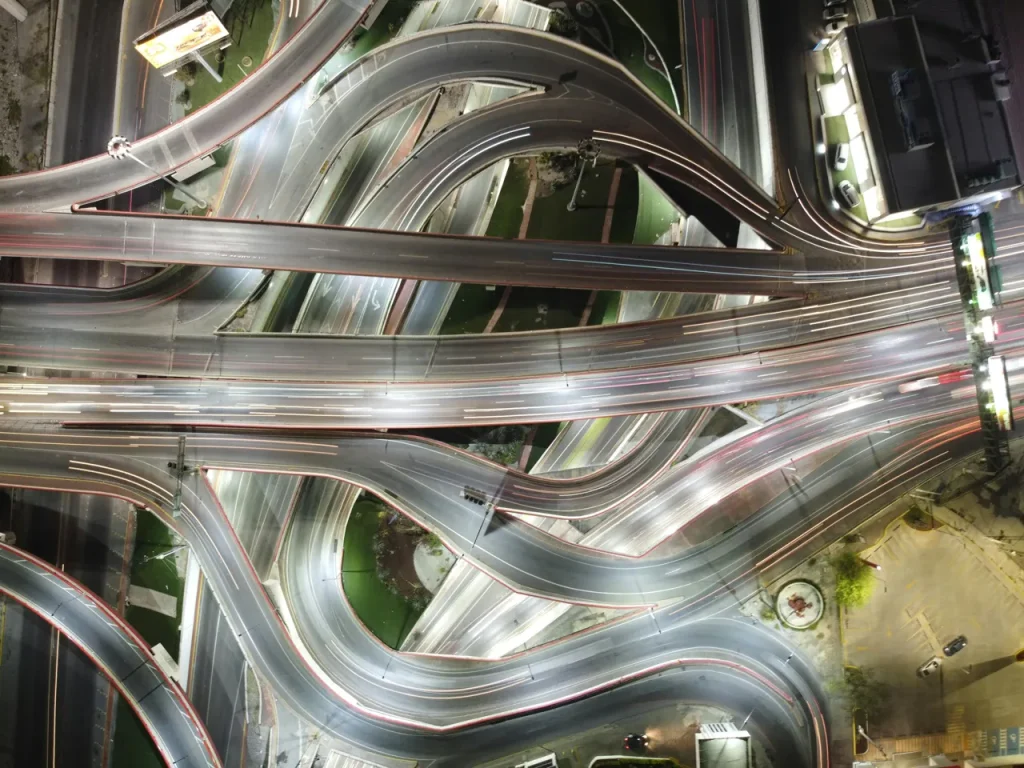
Multi-lane highways represent the peak of modern road systems. They offer speed, efficiency, and the capacity to handle lots of traffic. Commuters and long-distance drivers see these wide roads as signs of progress and ease. But beneath this appealing surface lies a complex truth: multi-lane highways can pose dangers. The same features that make them attractive—multiple lanes higher speed limits, and heavy traffic—also create unique risks that drivers must handle. To improve safety and cut down on crashes on our busiest roads, we need to understand these risks.
Increased Speed and Reduced Reaction Time
One of the biggest dangers on multi-lane highways stems from cars going fast. Speed limits tend to be higher than on other roads, and many drivers go even faster. When you’re speeding, you have less time to react. A quick lane switch, something blocking the road, or a car stopping can turn into a risky situation in no time. There’s little room for mistakes, and even small slip-ups can cause bad crashes. This makes multi-lane highways tough for new or unfocused drivers to handle.
Lane-Changing Hazards
Lane changes stand out as a key aspect of multi-lane highways, but they also bring significant risk. Drivers weave between lanes to pass slower vehicles or prepare for exits. This steady movement makes side-swipe accidents and errors more likely. Blind spots increase the danger for larger vehicles like trucks and SUVs. A driver who doesn’t properly check before changing lanes may collide with another fast-moving vehicle. Data highlighted in an online California Highway Patrol accident report shows that improper lane changes are among the leading causes of highway crashes. This highlights how simple maneuvers can become risky in fast-paced, multi-lane environments.
Congestion and Aggressive Driving
Multi-lane highways aim to reduce traffic, but they often turn into jam spots when people go to and from work. Traffic jams make drivers mad, and angry drivers tend to act out. They might follow too close, cut others off, or switch lanes without warning. This bad driving doesn’t just raise the chance of crashes – it also creates a mean mood on the road that can make things worse between drivers. Fast speeds mixed with angry driving is dangerous. It can cause pile-ups where many cars crash into each other.
The Challenge of Large Vehicles
Multi-lane highways see a mix of passenger cars, motorcycles, buses, and big trucks. Big vehicles bring extra dangers. Trucks need more space to stop and have bigger blind spots. Their bulk and heft make crashes with them much worse. Bikes, in contrast, are tougher to spot and more likely to get hurt in wrecks. When such different vehicles share the road, all drivers need to be extra careful, but not everyone changes how they act. This mismatch adds to the risks and troubles on multi-lane highways.
Environmental and Psychological Factors
Beyond the physical aspects of traffic, things like weather and driver mindset also have an impact on highway risks. Rain fog, or snow can cut down on what you can see and how well your tires grip the road making fast driving risky. Driving for hours on end on the same boring stretch can make you tired or less alert upping the chances of messing up. Also, the sheer size of multi-lane highways can trick you into feeling safer than you are pushing you to take chances you might skip on smaller roads. All these things come together to make highways tricky places where danger can pop up out of nowhere.
Conclusion
Multi-lane highways play a crucial role in modern transport providing quick and efficient travel for countless drivers every day. However, their design and use patterns come with risks we can’t overlook. The dangers on these roads stem from high speeds frequent lane switches, traffic jams big vehicles, and weather issues. To make driving safer and plan better roads, we need to spot these risks first. When drivers approach multi-lane highways and with respect, they can cut down on accidents. This ensures these key transport routes deliver on their promise of progress without putting safety at risk.