
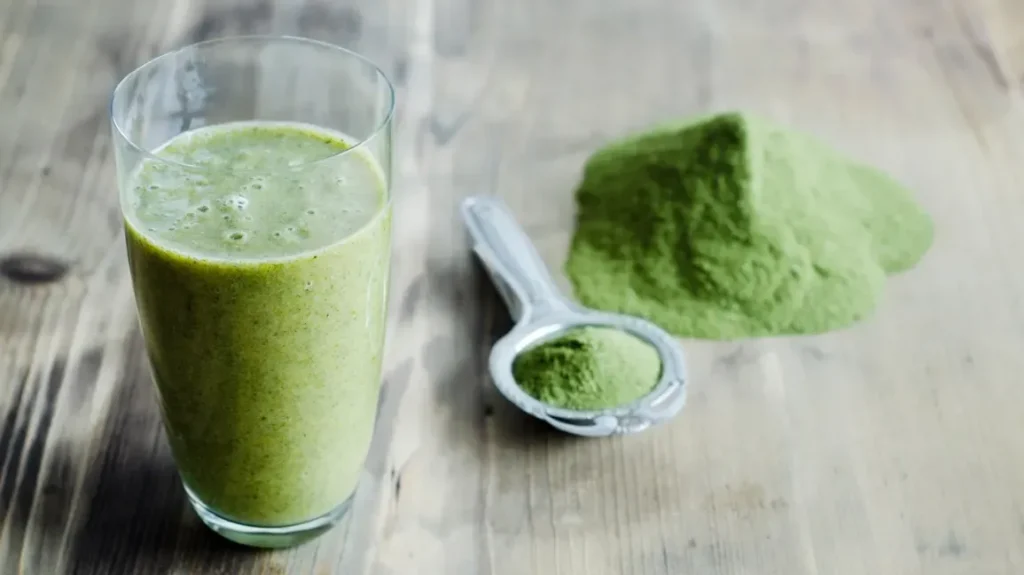
You’ve probably seen the bright green powder in coffee shops and online. You’ve perhaps heard that it’s healthy and good for your brain too. You’re probably wondering how to choose a fantastic tin and how to work with it so that you can enjoy the benefits. This guide has everything a beginner needs to know. I’m going to use simple language and keep it practical. I will also mention briefly some recent research and practical usage of matcha that has been conducted in India and abroad.
Brief note in advance
I’m from Sadomatchatea, and we retail matcha. I’d like you to be able to know the quality and how to use matcha so that you can shop confidently.
What matcha really is
Matcha is a powdered green tea that employs shade-grown leaves that are steamed, dried, and ground with stones into flour-like pieces.
The secret is shading. That raises the levels of amino acids like L-theanine and increases chlorophyll. L-theanine is one of the reasons matcha creates peaceful alertness rather than coffee’s jitters. Because you are drinking the whole leaf in powdered form, you are ingesting more of the contents of the tea than loose-leaf tea.
When purchasing, it should be bright green in color, silky in texture, and lightly scented and fresh. Sandy texture or dull green is typically of lower quality. Fresh smell, not stale, is what the authentic matcha should have.
Why do people drink matcha for health?
Researchers are attempting to study matcha today. Matcha has been revealed to have potential effects on attention, sleep quality, and cognition by reviews and clinical trials.
A randomized trial confirmed that habitual matcha consumption improved some dimensions of attention and sleep in older adults with mild cognitive impairment. That study confirms matcha enhances an individual’s emotional sensitivity and sleep quality in the short term. (PLOS)
A broader perspective of matcha’s therapeutic potential indicates antioxidant activity, content of EGCG and L-theanine, and preliminary evidence that matcha does reduce stress and improve concentration. The perspective continues that we need large, long-term human trials before we can consider matcha as a medicine.
Matcha does carry chemicals that can lead to inducing calm, attention, and antioxidant defense. That is great. It is not a panacea. Utilize matcha as an everyday habit that could make you feel well and focus more intensely. If you are sick, visit your doctor.
A note of caution about safety
Since matcha is the entire leaf, it contains very high levels of catechins such as EGCG. EGCG, in very high concentrations or in the form of a high-dose extract, has been linked with occasional cases of liver damage.
Green tea extract has been evaluated by health experts and scientists and shown to cause liver damage at high doses.
If you’re taking concentrated supplements or taking a lot of matcha as part of a daily diet, you should consult a health professional. Pregnant women, breastfeeding women, and women on medication should consult their doctor before adding a lot of matcha to their diet.
Where innovative science meets how humans are leveraging matcha
Researchers are finding out more about how L-theanine and caffeine work together to enhance concentration and alleviate tension.
That’s partly why matcha is thriving in spaces where concentrated silence is required, like libraries and collaborative coworking coffeehouses.
Emerging studies provided in recent years suggest matcha can enhance some of the mechanisms of attention and sleep quality in specific populations. Real-world businesses are starting to pay attention. Specialty coffee shops and Indian firms are adding matcha to classic beverages and new offerings that promise concentration and health.
One can find this with specialty coffee shops and online retailers buying single-origin matcha or directly from neighborhood farmers.
Ways to buy genuine matcha
Single sentence and single word for web search
Web search Matcha green tea in India and select sources that provide origin and batch numbers.
Or use these simple tests every time you buy:
- Origin and harvest: Good brands label the region or farm and often a season or year of harvest. Well-established place names such as Uji of Kyoto and Nishio of Aichi are well known for quality grade matcha.
- Color and aroma: Bright emerald green with a pleasant grassy odor typically means leaves were shaded and properly processed. Pale brown or dull color may mean age or inferior quality.
- Texture: Squeeze a small quantity between your fingers and press. It should feel silky smooth like talcum or soft powder.
- Label honesty: Actual matcha is produced from tencha leaves. A package labeled powdered green tea or sencha powder is not necessarily actual matcha.
- Batch numbers and traceability: Look for batch numbers, lot codes, or processing details. JAS organic certification is comforting but not enough.
- Price: Good quality matcha is labor-intensive and expensive. If ceremonial matcha is unusually cheap, be cautious.
- Buy small and sample: Start with a small can. If it’s to your liking, buy more in bulk. Freshness matters more than quantity.
How to prepare tasty matcha
You don’t need to purchase any special equipment, but some tools are helpful. The ideal is a bamboo whisk and a bowl.
Steps:
- Warm but not boiling water: Heat water to 70–80°C. Too hot will cause bitterness.
- Sift small scoop: Use 1–2 grams for a thin bowl. Sifting prevents clumping.
- Add water and whisk: Add water in small amounts and whisk back-and-forth until foam forms.
- Taste neat first: Drink it straight to assess quality before adding milk.
- Use various grades: Higher grades for drinking straight, culinary grade for cooking.
How to make matcha a daily habit
Matcha can fit into your routine in many ways:
- Morning concentration cup instead of strong coffee.
- Pre-work or pre-study routine.
- Smoothies and bowls.
- Lattes and cold beverages.
- Culinary use in cakes, cookies, and sauces.
Cafes and producers are becoming creative. Some offer matcha flights, others mix with seasonal flavors. Many cafes in India now serve matcha lattes and pastries.
Storage and shelf life
- Store matcha in an airtight tin.
- Keep in a cool place or fridge in warm climates.
- Use within a few months of opening.
- Buy in small amounts if not using regularly.
Common mistakes beginners make
- Using boiling water (makes it bitter).
- Buying the cheapest “ceremonial matcha.”
- Expecting matcha to taste sweet like a latte.
- Storing in glass jars exposed to light.
How to know if matcha is working for you
Matcha’s effects are subtle. You might feel calmer alertness, better focus, or fewer energy crashes. Try a daily ritual for a few weeks and notice changes.
Early clinical experience shows modest benefits in attention and sleep in some groups.
Buying matcha in India: practical sources
- Specialty web brands: Import small amounts and provide origin details.
- Local tea shops and cafes: Try before buying.
- Japanese imported tins: Direct procurement with traceability.
- Local growers: Shade-grown matcha is now being tried in Nilgiris, Darjeeling, and Assam.
If shopping online in India, select sellers with clear origin, batch info, and process details. Authentic sellers share images of leaves, mill, and farmers.
Final rapid checklist before you click buy
- Named Japanese or Indian region/farm mentioned?
- Vibrant green color?
- Ingredients listed as only matcha or tencha?
- Batch number or harvest date?
- Real reviews and product images?
- Fair price for the grade?
If most answers are yes, you are likely buying a real product.
Conclusion
Matcha is simple to use and integrate into your life. Research suggests benefits to attention, sleep, and antioxidant activity. Safety concerns exist only at high doses, so stick to moderate use.
If you are just starting, buy a small can from a transparent company. Drink it straight first to discover the taste. Then enjoy lattes and recipes once you find your preference.
Haha, matcha! The green stuff thats apparently science but tastes like… green powder. Who knew that sipping something from a specialty coffee shop could make me calmer alert? Im all for daily habits that make you feel well, but Im not running off to buy single-origin matcha just yet. Sounds like a lot of effort for a cuppa that might induce calm. Though, the idea of matcha lattes in India is intriguing. As for preparing it, Ill stick to my current method: just add water and hope for the best. Subtle effects? Please, Ill believe it when I dont crash harder than after my morning coffee. Thanks for the rapid checklist, though – saves me from getting scammed by powdered green tea.Grow a garden pet tier list