
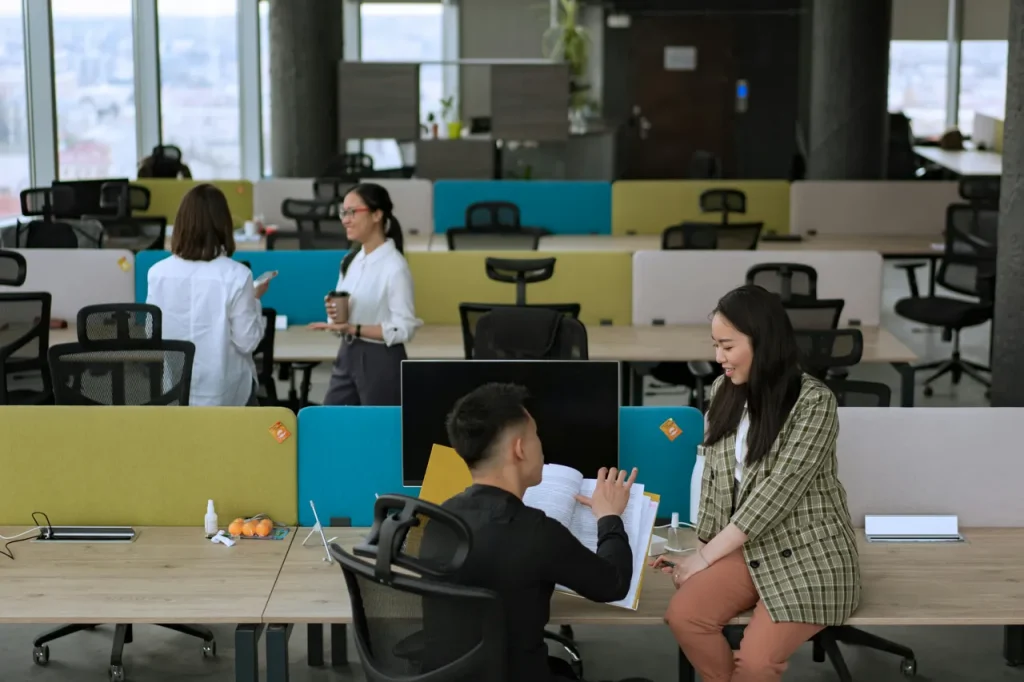
The modern workplace has evolved far beyond rows of identical cubicles and fluorescent lighting. As organizations rethink how and where work happens, attention has shifted toward environments that support productivity while also prioritizing employee wellness. A workspace is no longer just a container for tasks. It shapes how employees collaborate, concentrate, and recharge throughout the day. Thoughtful office design can reduce friction, improve morale, and create a healthier rhythm of work. When workflow efficiency and well being are considered together, workplaces become assets rather than obstacles.
Rethinking Workflow as a Design Priority
Efficiency in the workplace begins with understanding how work actually gets done. Many office layouts are built around outdated assumptions that every role requires the same type of space. In reality, workflows vary widely between teams and even within individual roles. Some tasks require focus and privacy, while others benefit from collaboration and open communication.
Designing for workflow means mapping daily activities and organizing spaces accordingly. Teams that collaborate frequently benefit from proximity and shared project areas. Roles that demand concentration require quieter zones with fewer interruptions. When spaces align with real work patterns, employees spend less time navigating their environment and more time engaged in meaningful tasks. This alignment reduces frustration and supports steady productivity.
Supporting Wellness Through Movement and Choice
Employee wellness is deeply connected to how spaces encourage or restrict movement. Offices that require people to remain seated for long stretches can contribute to fatigue and discomfort. Thoughtful design introduces natural movement by placing shared resources such as printers, cafes, and meeting spaces at deliberate distances.
Providing employees with choices also supports wellness. Sit to stand desks, varied seating options, and informal lounge areas allow people to adjust their posture throughout the day. Access to natural light and views of the outdoors further enhances energy levels and mood. These design elements work together to support physical health and mental clarity, which directly influence performance.
Balancing Collaboration and Focus
Open offices were once seen as the solution to silos and communication barriers, yet many organizations discovered that too much openness can harm focus and increase stress. The most effective workspaces strike a balance between collaboration and concentration.
Zoned layouts create distinct areas for different types of work. Quiet rooms, focus pods, and library style spaces give employees places to think deeply without distraction. Collaborative zones foster brainstorming and teamwork without disrupting others. Acoustic treatments, strategic partitions, and thoughtful furniture placement all help define these zones without isolating teams completely. This balance allows employees to shift seamlessly between tasks as their workday evolves.
Designing Spaces That Reflect Company Culture
A workplace should feel like a physical expression of company values. Design choices communicate how an organization views its people. Warm materials, comfortable spaces, and attention to detail signal respect and care. Cold, rigid environments may suggest efficiency at the expense of humanity.
Organizations increasingly look to their local context for inspiration, integrating regional materials and sensibilities into office design. Collaboration with professionals such as architecture firms in Denver and other areas often leads to workspaces that reflect local character while supporting modern work needs. When employees feel connected to both their workplace and their community, engagement and loyalty tend to increase.
Technology Integration Without Overwhelm
Technology is essential to modern work, but poor integration can create clutter and frustration. Cables, screens, and equipment should be incorporated in ways that support usability while maintaining visual calm. Meeting rooms equipped with intuitive technology reduce wasted time and make collaboration smoother.
Design should anticipate future needs rather than react to them. Flexible infrastructure allows spaces to adapt as teams grow or work patterns change. Wireless connectivity, modular furniture, and adaptable rooms ensure that the workplace can evolve without constant disruption. When technology fades into the background, employees can focus on their work rather than troubleshooting tools.
Conclusion
Designing workspaces beyond the cubicle requires a holistic understanding of how the environment influences behavior, health, and performance. When workflow efficiency and employee wellness are addressed together, offices become places where people can thrive rather than endure. Thoughtful layouts, balanced spaces, and human centered design choices support productivity while respecting individual needs. As organizations continue to redefine work, investing in intentional workspace design is an investment in both people and performance.