
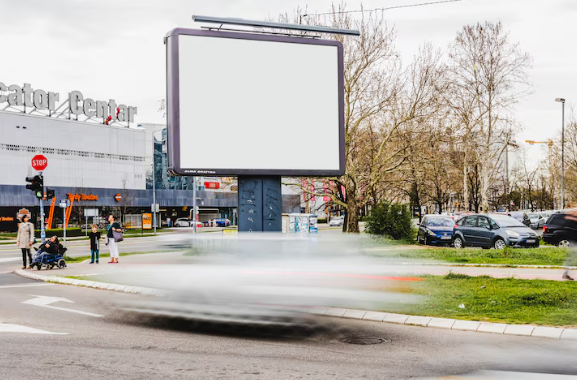
Premium outdoor locations look so obvious at first, because of busy roads, congested sidewalks, and constant activity. But when budgets enter the picture, the conversation changes from visibility to value. In the Australian outdoor advertising industry, premium locations are sometimes associated with higher rates, which leads to a question for service-oriented sectors such as healthcare: does greater expense result in greater success, or simply greater visibility?
This article looks at how premium locations perform across visibility, trust, targeting, and return, while also acknowledging the limits that deserve equal attention.
Benefits of Choosing Premium Locations
Premium locations are noticed by being exposed repeatedly, not by being different. High-traffic corridors display the same message over a period of days, sometimes multiple times a day, which eventually gets people to remember the message. The strength of a busy location lies less in raw numbers and more in familiarity, as repeated exposure tends to settle into memory without demanding effort from the viewer.
Where there is constant activity, impressions are gained without much effort. This is why campaigns placed along commuter routes or transport hubs often outperform quieter sites. Research studies across dense urban placements shows higher engagement and recognition, not because people read it, but because it’s part of their daily routine.
Brand Credibility and Prestige
Location matters, even if the viewer doesn’t consciously notice it. A brand positioned in a premium outdoor setting often signals confidence, scale, and legitimacy before the message itself is processed. This signalling effect matters for service-based sectors, where trust develops gradually rather than through impulse.
Consumer perception is shaped by context. When a healthcare service appears in a prominent location alongside other established organisations, it can reinforce credibility and reassurance. That subtle influence supports trust, which is often a deciding factor when people choose providers they expect to rely on over time.
Targeted Marketing Opportunities
Despite their size, premium placements are rarely as broad as they appear. Many align closely with specific audience groups shaped by daily movement. Office precincts draw professionals, transport routes capture consistent commuter flows, and local centres reflect community patterns.
This makes premium sites effective for reaching defined demographics when placement decisions are tied to behaviour rather than assumptions. Location-based campaigns can support both local practices seeking community awareness and national brands building presence across multiple regions, using movement patterns as a guide rather than guesswork.
Better Return on Investment (ROI)
Assessing ROI from premium sites calls for a broader view than immediate response. While costs are higher upfront, premium placements often deliver value through sustained visibility and familiarity, which builds gradually. Calculating potential return means weighing repeated exposure against campaign duration rather than focusing on immediate action alone.
For long-term branding, premium locations often support outcomes that compound over time. Short exposures may not be worth the cost, but longer ads can build awareness and recognition in ways that short, scattered exposures can’t achieve because of fragmentation.
Challenges of Premium Outdoor Advertising
The cost increases the difficulty of decisions. Premium locations can consume a large portion of the budget, and every decision about format, length, and location becomes more critical. Even if the cost per thousand impressions remains in line, the overall cost may constrain choices unless careful planning occurs.
Spreading the budget over multiple locations becomes necessary. Concentrating investment in one premium site may limit reach diversity, while spreading budget too thin risks weakening impact. Without clear priorities, cost pressure can outweigh strategic benefit.
Limited Availability and Competition
Prime outdoor locations remain scarce, particularly in urban centres where demand stays high. Availability is often limited, and competitive bidding can drive outdoor advertising rates upward, reducing room for negotiation.
This environment rewards early planning and clear intent. High-demand spots rarely wait for late decisions, which can challenge organisations that rely on shorter planning cycles or changing priorities.
Potential for Overexposure
High-traffic areas often carry dense advertising activity. In such settings, repeated exposure can slide into saturation if creative blends into its surroundings. Visibility remains high, yet impact softens.
Avoiding diminishing returns depends on thoughtful creative choices and timing. When messages remain visually distinct and placements are reviewed regularly, premium sites maintain effectiveness rather than becoming part of the background.
Factors to Consider Before Choosing Premium Locations
Audience behaviour should guide placement more than headline traffic figures. Understanding where people pause, how often they pass the same point, and what routes define their routines provides clearer insight into exposure quality.
Matching locations to buyer personas improves relevance, particularly for healthcare services that depend on defined catchment areas. Premium placements perform best when aligned with real movement rather than assumed reach.
Campaign Objectives and Goals
Premium locations suit campaigns built around awareness, reassurance, and familiarity. Branding efforts benefit from repeated exposure that reinforces presence over time, while direct response campaigns often require proximity to decision points.
Short-term promotions and long-term awareness demand different placement strategies. Clarity around purpose helps determine whether premium visibility supports the goal or distracts from it.
Type of Outdoor Advertising Medium
Different formats respond differently to their environments. Billboards suit fast-moving traffic, transit ads align with repeated journeys, digital screens adapt to changing messages, and street furniture benefits from longer dwell times.
Location influences how each medium performs. When format and setting complement one another, the message feels integrated rather than imposed.
Conclusion
For healthcare providers such as general practices, visibility alone is not enough. Familiarity, trust, and presence within everyday routines often shape patient choice over time. Premium outdoor advertising, when selected with care, supports these outcomes by embedding services into the spaces people move through daily. When aligned with audience behaviour and long-term intent, these placements become less about prominence and more about reassurance, which remains central to community-based healthcare services.