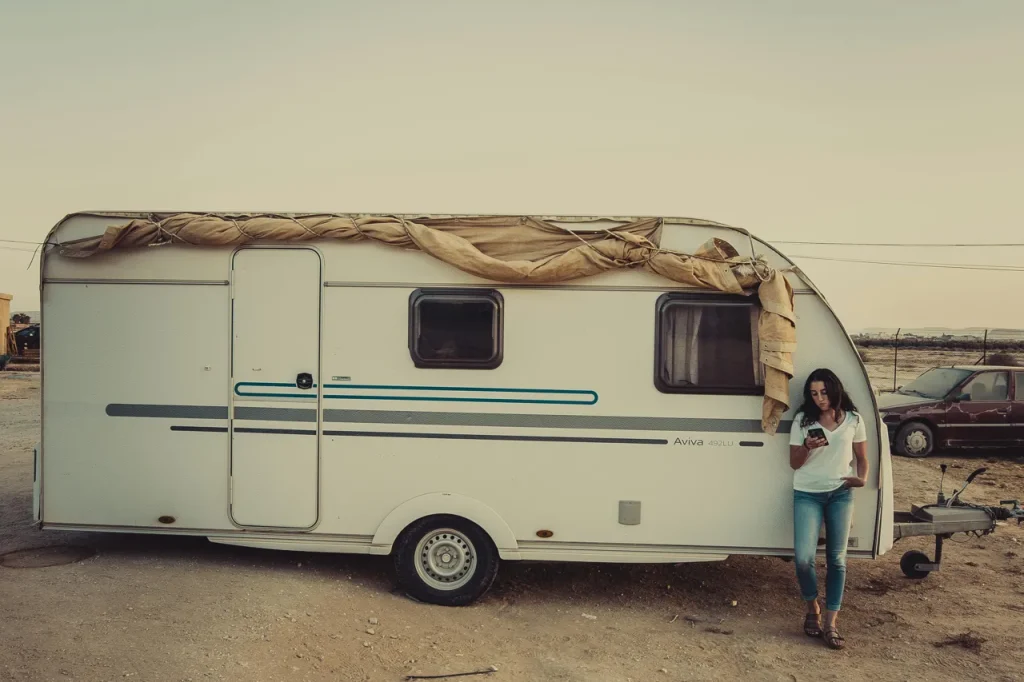
Buying a used RV can help you enjoy RV life without breaking the bank—as new models keep getting pricier. But not all used RVs are equal in value or quality, and buyers often worry about hidden problems or overpaying. If you shop smart, you can find a well-kept RV that matches your travel dreams without falling for common buying mistakes. With the right prep work and careful checking, you can get a solid RV at a good price.
Do Your Homework and Know Your Spending Limit
Before you start visiting dealerships or looking at online listings, spend some time looking into different RV types, layouts, and prices. The market has everything from small travel trailers to big Class A motorhomes, and knowing the differences helps you focus your search. Setting a realistic budget stops you from spending too much and makes sure you look at models that fit your budget.
As you look through listings maybe for a used rv for sale compare prices based on age, miles driven, condition, and what features are included. Look for patterns that help you spot fair pricing. Things like RV value guides, dealership listings, and owner forums give you useful info about typical market costs. When you know more, you’re in a better spot to negotiate and avoid paying too much.
Check the Outside to Spot Damage or Wear
The condition of the exterior has a big impact on how reliable the RV is and its value over time. Start by looking at the roof to see if there are cracks, sealant coming off soft areas, or signs that water has gotten in. Fixing the roof can cost a lot so this check is key.
Go around the RV and look at the sides to see if there’s any bubbling, separation of layers, dents, or cracks. Make sure all doors, windows, and storage areas open and close right. Look at the tires to check their age, wear, and if they’re cracking. RV tires often get too old before they wear out, and buying a new set costs a lot.
Rust on the undercarriage and damage to the frame also need careful attention. A clean exterior doesn’t always mean the RV is in good shape underneath. Hidden decay below the surface can cause structural problems down the road. A thorough look at the outside helps you spot early signs that might point to neglect or future repair expenses.
Check the Inside for Water Issues, Working Parts, and Overall Cleanliness
The state of the interior tells you a lot about how the previous owner took care of the RV. Water damage is a frequent and costly issue in used RVs. Look at the ceilings, corners, areas around windows, and near slide-outs. Stains, soft spots, or wallpaper that’s bubbling up often mean there’s a moisture problem.
Test all appliances, including the fridge, stove, microwave, furnace, and AC units. Run the water pump, flush the toilet, and turn on all faucets. Make sure the electrical and plumbing systems work well without leaks, changes, or odd sounds.
Look at cabinets, drawers, upholstery, and flooring to spot wear or damage. While you can often fix looks, issues with structure or failing systems might mean the RV hasn’t been kept up well. A tidy, organized inside shows the owner took good care of it and makes it less likely there are hidden problems.
Check Mechanical Parts and Drive (for Motorhomes)
When you’re thinking about buying a motorized RV, checking the engine is just as crucial as looking at the living space. Take a close look at the engine, transmission, and generator to spot any leaks, rust, or odd wear and tear. Check the fluid levels and ask to see the service history, including oil changes, brake work, and big repairs. A detailed maintenance record means the vehicle is reliable.
Make sure to take the RV for a spin to see how it accelerates, brakes, steers, and handles overall. Keep your ears open for any rattles, shakes, or weird noises that might signal mechanical problems. If you’re not sure about doing these checks yourself, think about hiring a certified RV inspector or an experienced mechanic. Their know-how can help you avoid big expensive surprises down the road.
Compare Sellers Negotiate , and Verify Documentation
The place you buy your RV makes a difference. Good dealerships often check RVs, give warranties, and show clear prices. Private sellers might have better deals but need more checking. No matter what you pick, always check the title status, registration records, and any service papers you can get.
Feel free to bargain. Use what you learned and found during inspection to back up your offer. If the RV needs new tires, roof fixing, or engine work, include those costs in the price. Stay patient—walking away from a deal you’re not sure about beats paying too much for an RV that might break down.
You should also ask sellers about their time owning the RV. Honest details about how they traveled where they kept it, and what repairs it needed can help you understand the RV’s real condition.
To wrap up
To find a reliable used RV at a fair price, you need to research, inspect , negotiate well, and be patient. By checking the outside and inside condition, making sure it runs well, looking at market prices, and picking a seller you can trust, you can choose a used RV that works for your budget and travel plans. If you prepare well and look , you’ll be ready to enjoy comfortable trips without worry in an RV that feels like your home on the road.