
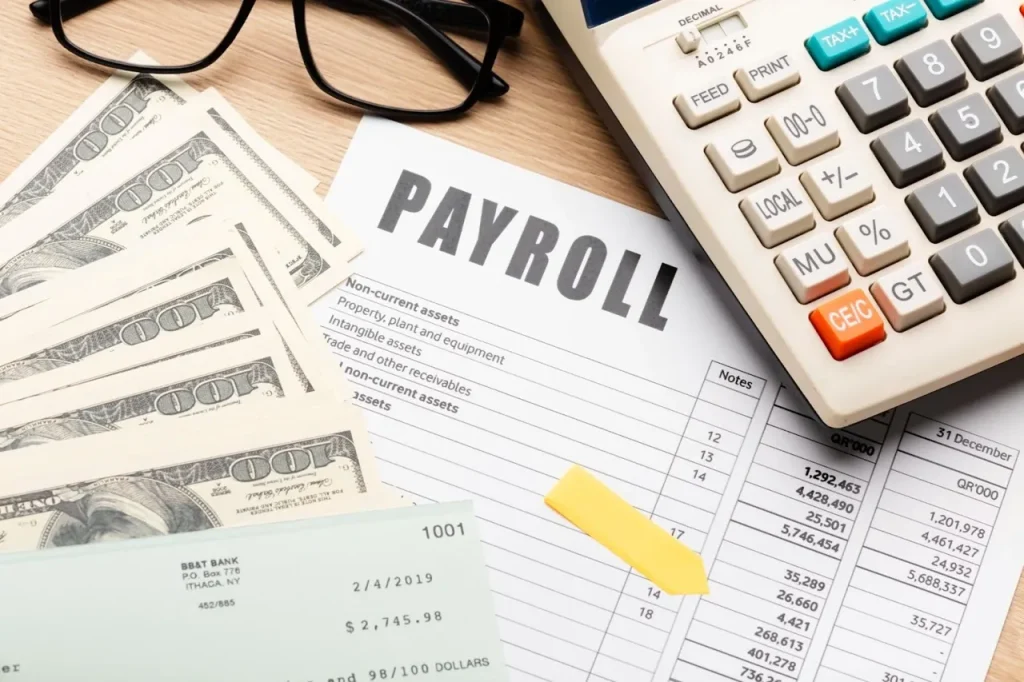
Payroll is not just about sending salaries on payday. It is a clear workflow that starts with timesheets and attendance, then moves through calculations, checks, and payslips.
Once you connect those steps, payroll feels far more predictable. In fact, according to a HashMicro study based on their client cases, teams that standardise payroll inputs and approvals tend to see fewer last-minute corrections and smoother monthly runs.
In this guide, we will walk through the payroll workflow from timesheets to payslips in a practical way. The goal is to help you run payroll consistently, keep records clean, and avoid last-minute surprises as your team grows.
How does HR Process Your Payroll?
HR typically processes payroll by consolidating attendance, overtime, and leave data, then coordinating with finance to verify calculations, deductions, and approvals. This is how HR processes your payroll:
- Collect time & attendance data
Starts by collecting timesheets, attendance logs, shift rosters, overtime records, and leave requests in a solution for managing employee payments. Before processing, confirm the cutoff date and rounding rules, and check for missing or duplicate entries.
- Calculate gross pay
Focus on calculating gross pay based on basic salary, overtime, allowances, incentives or commissions, and reimbursements. Make sure overtime formulas, shift differentials, and prorated pay for joiners or resignations are consistent to avoid recurring disputes.
- Apply deductions & statutory items
Apply deductions and statutory items, such as employee loans, lateness penalties, and required contributions, in accordance with local regulations. This step is often error-prone due to status changes, deduction caps, and different deduction periods, so tracking updates matters.
- Review, approvals, and exception handling
This is the review stage, where HR inputs are checked by finance and approved by managers, according to your company’s workflow. Handle exceptions separately, like extreme overtime, negative net pay, sudden changes, or back pay, so they do not disrupt the main run.
- Generate payslips and payroll reports
This is where HR generates payslips and payroll reports, ensuring every payslip clearly shows components, period, and take-home pay. Reports such as payroll summaries, overtime costs, cost per department, and headcount changes help teams spot trends and control spending.
- Execute payments and recordkeeping
HR processes payments via bank transfers, e-wallets, or, where relevant, split payments. Keep a clean audit trail, including change logs, approvers, calculation versions, and archived payslips to simplify audits and resolve disputes faster.
Conclusion
A clear payroll workflow makes it easier to move from timesheets to payslips without confusion. HR and finance can process payroll more smoothly, and employees can see exactly how their salaries were calculated.
If payroll still feels stressful every month, it usually means a few steps need to be cleaned up. A short chat with payroll and HR system experts can help you find what is slowing things down and fix it.