A profitable bar is not just a pretty room with a trendy menu. Before Filipino entrepreneurs invest in a Korean-style concept, they need to test the spend model, location fit, operating support, and cost recovery logic behind the brand.
In Korea, this search intent is often connected with the term 술집창업, which refers to planning or starting a bar-style business. The phrase may sound local, but the business question is universal: can this concept create repeat visits, healthy table spend, and a workable operating system after opening day?
Start with the business model, not the decor
One of the biggest mistakes first-time founders make is falling in love with the room before they understand the numbers. Warm lighting, wood finishes, and social-media-friendly interiors can help a bar get attention, but they do not automatically create a durable business. In hospitality, concept has to come before cosmetics.
If you want to see how one Korean operator frames that decision, Meetzzan’s Korean-style bar business startup guide is a useful reference point. What makes a concept bankable is not whether it photographs well, but whether it can turn a first order into a second order, support a strong table average, and stay manageable during peak hours.
That is especially important in the Philippine setting. A bar business that works in a date-night district may fail in a student-heavy area. A concept that depends on premium dishes may work near offices or mixed-use commercial zones, but feel too slow or too expensive in a location driven mainly by price-sensitive traffic. The room must fit the occasion, not just the founder’s taste.
Think in terms of recovery, not just opening cost
Founders often ask the wrong first question: “How cheaply can I open?” A better question is, “What kind of opening budget can I realistically recover with this concept?” A low opening cost is not automatically smart if it leads to weak kitchen flow, poor seating logic, underpowered signage, or a menu that cannot sustain repeat spend.
For a bar startup, opening cost only makes sense when paired with a recovery model. Rent, fit-out, kitchen equipment, training, labor, utilities, and launch marketing all need to be measured against expected covers, spend per table, and repeat traffic. The real issue is not whether the initial amount looks high or low in isolation. The issue is whether the site, concept, and average spend can justify that amount over time.
This is where many founders get trapped by presentation. A brand may look polished in a brochure, but if it cannot explain what drives second orders, how food and drink work together, or how operating support reduces mistakes after launch, then the founder is left carrying most of the risk alone.
Match the concept to the right Philippine location
Location fit is not simply about foot traffic. It is about customer intent. Who moves through the area on weekdays? What changes on weekends? Are you targeting office groups, barkada gatherings, young professionals, residential evening traffic, or a more occasion-based dining crowd?
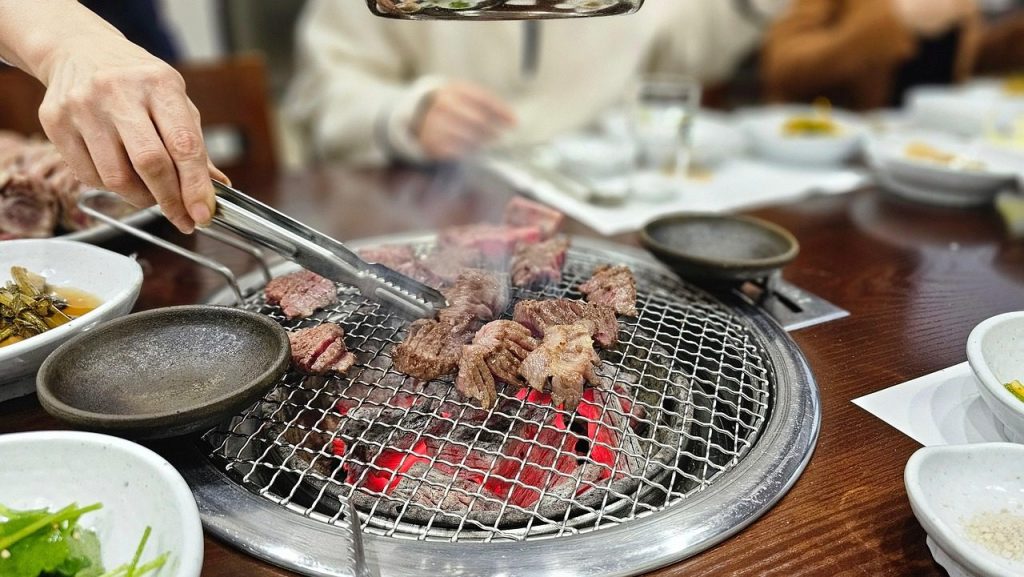
A Korean-style food-led bar can be attractive because it does not rely on alcohol alone. It can serve dinner, social drinking, celebrations, and after-work meetups in the same space. That gives the operator more than one route to revenue. But that only works when the location supports the concept. A venue built for longer stays and shareable menu items needs customers who are prepared to spend time and money in the room.
In practical terms, entrepreneurs should compare the surrounding competition, expected rental pressure, peak-hour traffic, and the local behavior of groups rather than individuals. A concept designed for shared dishes and additional drink orders should be placed where group dining is normal, not where customers are mostly looking for a cheap and fast stop.
Food-led formats usually have more ways to earn
A drinks-only venue can generate fast traffic, but it may also depend too heavily on price competition. A food-led bar model usually has more revenue paths because the menu does more than fill a table. It shapes how long customers stay, whether they order again, and how easily the venue can attract different occasions.
That is why menu engineering matters. A strong bar menu should not feel random. It should create a natural flow: an easy first order, a shareable follow-up, drinks that pair well with the food, and enough variety to bring customers back. For Filipino founders comparing concepts, this is often the hidden difference between a room that looks busy and a room that is actually profitable.
It also changes the marketing logic. Signature dishes, social sharing, and memorable interiors can work together. When customers stay longer, order another round, and add one more plate to the table, the room becomes more resilient. That is a more stable model than relying only on low-price alcohol promos.
Franchise support must reduce execution risk
For first-time operators, support matters most when it changes what happens on the ground. Training should shorten the learning curve. Site analysis should improve decision quality before signing. Supply systems should reduce inconsistency. Opening support should make the first weeks less chaotic instead of more stressful.
That is the real test of any bar franchise or bar startup system. If the operator still has to solve kitchen flow, staff discipline, menu execution, launch problems, and supplier coordination alone, then the “brand” may be adding identity without removing enough execution risk.
Entrepreneurs should ask what kind of help is available before the store opens and what kind of support continues after the first wave of attention fades. A good system should not only help the founder open the store; it should help the founder operate with fewer avoidable mistakes.
Check whether the menu supports repeat visits
A bar business cannot rely only on first-time curiosity. Many customers may visit once because a place looks new, but the real test is whether they come back with friends, order additional dishes, or remember a specific menu item after the first visit.
For Korean-style dining pubs, the menu should create several reasons to return. There should be approachable items for first-time visitors, stronger signature dishes for brand memory, and side dishes or add-ons that increase table value without making the customer feel pressured. This balance is important because a bar is not only selling food or drinks. It is selling a social occasion.
If the menu is too narrow, customers may not find enough reasons to revisit. If it is too broad, operations can become slow and inconsistent. A practical menu strategy sits between those two problems: simple enough to execute, but memorable enough to support repeat demand.
Do not ignore training and operations
Many food and beverage businesses fail not because the idea is bad, but because the daily system is weak. Staff do not know how to recommend dishes. The kitchen cannot handle peak orders. Inventory is not controlled. Service quality changes depending on who is working that day. These small problems gradually damage the customer experience.
Before choosing a bar concept, entrepreneurs should ask how the operation will be taught. Is there a clear training process? Are recipes standardized? Is there guidance for opening week? Are there practical rules for service flow, stock management, and customer handling?
A concept with better operating discipline may look less exciting on paper than a concept with flashy images, but it can be stronger in real life. In hospitality, consistency is a form of marketing. Customers return when the experience feels reliable.
A better shortlist before you sign
Before investing in any Korean-style bar business, Filipino entrepreneurs should ask six practical questions.
First, does the concept create a believable path from first order to additional spend? Second, is the menu strong enough to support both food and drinks occasions? Third, is the target location right for the concept’s pace and price point? Fourth, can the operating system stay consistent during peak hours? Fifth, does the franchisor offer real support before and after launch? Sixth, can the opening cost be recovered under realistic—not optimistic—trading assumptions?
If a concept can answer those questions clearly, it deserves a closer look. If it cannot, a beautiful store design will not save it. In bar business, the founders who last are usually the ones who respect structure more than surface.
For entrepreneurs comparing options, that is the right way to think about 술집창업: not as a trend to copy, but as a model to test. A Korean-style bar can be an attractive business, but only when the concept, location, menu, cost structure, and operating support work together.