
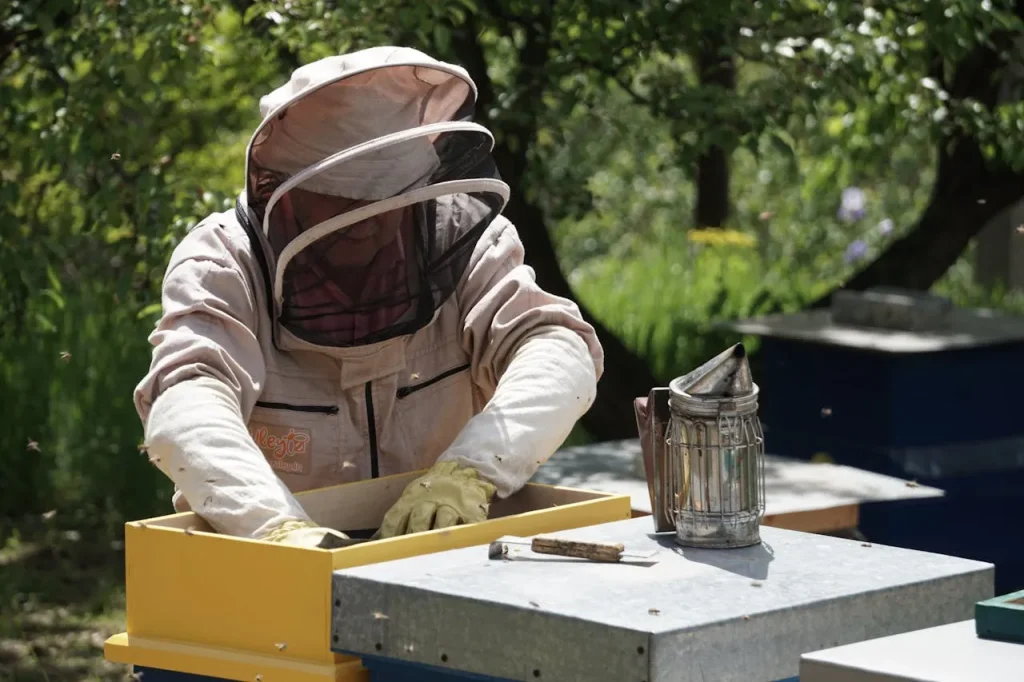
Beekeeping has become an appealing path for beginners who want to turn a meaningful interest into a source of income. As demand for natural products and sustainable practices grows, beekeeping offers both purpose and opportunity. What often begins as a hobby can evolve into a profitable venture with the right guidance. Beginners who approach beekeeping strategically are more likely to see long term success. Understanding how to balance passion with planning is the first step toward profit.
Why Beekeeping Appeals to Beginners
Beekeeping combines hands-on work with environmental impact, making it attractive to those seeking more than a traditional business. Bees support pollination, biodiversity, and food systems while producing valuable products. Beginners appreciate that beekeeping can start small and scale gradually. The ability to learn while growing reduces risk. This flexibility makes beekeeping accessible to many newcomers.
Learning the Fundamentals Before Starting
Successful beekeeping begins with education. Understanding bee behavior, hive structure, and seasonal cycles helps prevent early mistakes. Beginners should take time to study colony dynamics and common challenges. Reading, classes, and mentorship provide practical insights. A strong foundation increases confidence and reduces losses.
Startup Costs and Budget Planning
Beekeeping requires an initial investment, but costs are manageable when planned carefully. Hives, bees, tools, and protective equipment make up the primary expenses. Beginners should create a realistic startup budget and avoid unnecessary upgrades early on. Purchasing durable items reduces replacement expenses later. Smart financial planning supports profitability from the start.
Choosing a Profitable Beekeeping Focus
Beginners should determine how they want to generate income. Honey sales are the most common starting point, but beeswax, pollen, propolis, and pollination services offer additional opportunities. Some beekeepers expand into value-added products like candles or infused honey. Choosing a clear focus prevents overextension. Specialization supports consistency and quality.
Setting Up Hives for Long–Term Success
Hive placement and setup directly affect productivity. Bees need access to forage, clean water, and protection from extreme weather. Proper spacing and orientation help reduce stress and improve efficiency. Strong hive setup supports colony health from the beginning. A stable environment allows bees to focus on production.
Maintaining Hive Health and Safety
Healthy colonies are essential for profit. Regular inspections help identify issues before they escalate. Monitoring food stores, brood patterns, and population levels prevents losses. Protective equipment, including reliable beekeeping gloves, helps beginners work confidently without harming the colony. Safe handling reduces stress for both bees and beekeeper.
Understanding Seasonal Income Cycles
Income from beekeeping is seasonal and requires planning. Spring focuses on growth, summer on production, fall on preparation, and winter on maintenance. Beginners should plan sales and expenses around these cycles. Managing expectations improves financial stability. Seasonal awareness prevents rushed decisions.
Marketing Your Beekeeping Products
Selling beekeeping products requires more than production alone. Customers value transparency, quality, and local sourcing. Farmers markets, direct sales, and online platforms are common entry points. Clear labeling and storytelling help differentiate products. Strong marketing builds trust and repeat buyers.
Scaling Slowly and Strategically
Growth should be gradual for beginners. Adding hives too quickly increases costs and management complexity. Expansion should be based on experience, demand, and capacity. Scaling slowly protects quality and profitability. Sustainable growth supports long term success.
Learning From Mistakes and Adjusting
Mistakes are part of learning in beekeeping. Weather, pests, and forage availability can affect outcomes. Reviewing what worked and what did not improves future decisions. Adaptability is a valuable skill for beginners. Each season provides lessons that strengthen results.
Conclusion
Turning beekeeping from a passion into profit requires patience, preparation, and realistic planning. Beginners who focus on learning and consistency build stronger foundations. Thoughtful investment, healthy hives, and smart marketing all contribute to success. Profitability grows over time through experience and discipline. With the right approach, beekeeping can become both rewarding and sustainable.