
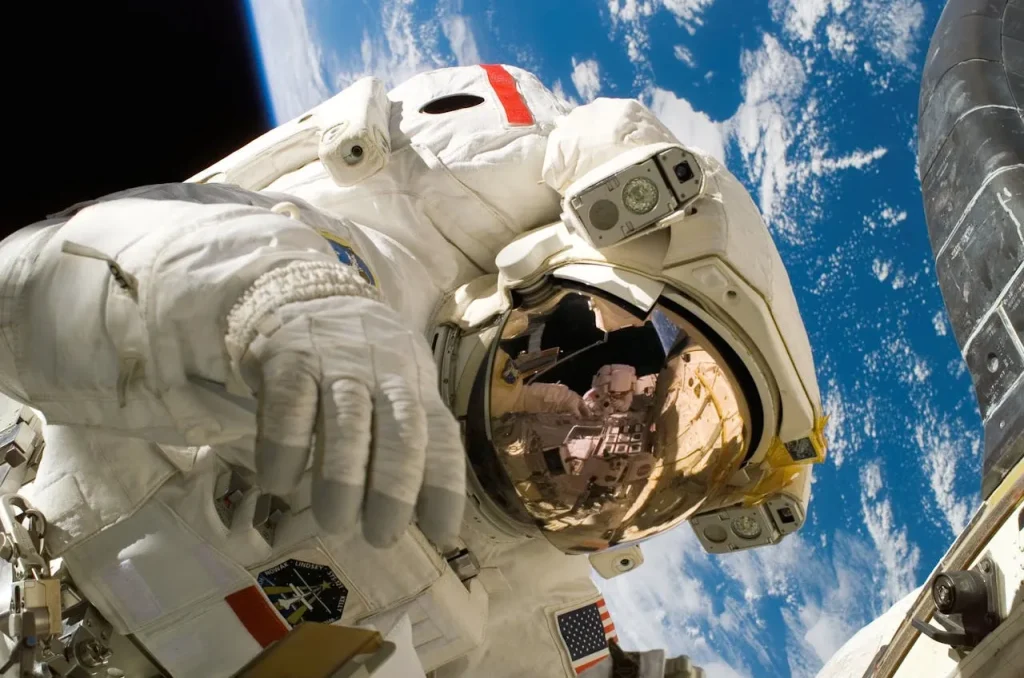
The space economy isn’t some far-off dream anymore—it’s happening right now, and it’s expanding faster than ever. This industry covers everything from satellite tech to space tourism, opening up new chances for companies, investors, and governments all over the world. If you want to stay on top of things in this fast-changing global market, you need to know what’s driving this growth and where the opportunities are.
What Is the Space Economy?
The space economy includes all money-making activities linked to space such as creating, making, and using space-based technologies and services. It’s not just about rockets and astronauts—it covers:
- Satellite communications: Driving worldwide internet and phone services.
- Earth observation: Offering insights for farming, weather tracking, and emergency response.
- Space exploration: Journeys to the Moon, Mars, and more.
- Commercial ventures: Space trips, mining asteroids, and making things in zero gravity.
These efforts are building a industry worth billions that has an impact on almost every field on Earth.
Why It’s Growing So Fast
Several things are speeding up the growth of the space economy:
- Technological breakthroughs: Rockets you can use again and smaller satellites have cut costs a lot.
- Private companies getting involved: Businesses like SpaceX, Blue Origin, and others are pushing new ideas and competition.
- People around the world need to connect: Internet from space is helping far-off places get online.
- Governments backing it: Countries’ space programs and teamwork between nations are putting a lot of money into research and building things.
These new ideas and money going in are making things grow faster and creating new markets to sell in.
Chances for Companies and People Who Invest
The growing space economy gives many chances to those ready to put money into the newest tech. Important areas include:
- Satellite services: Key to communication, navigation, and data analytics.
- Launch services: Companies creating reusable rockets cut costs and boost access.
- Space tourism: Though limited, this area attracts wealthy individuals.
- Data-driven applications: Space data helps industries like farming, shipping, and environmental tracking.
People can invest in these areas through public aerospace firms, space-focused ETFs, or startup funding.
Challenges and Risks
The space economy has great potential, but it faces hurdles:
- High capital needs: Space ventures often need a lot of money upfront.
- Complex rules: International laws and agreements control space activities.
- Tech unknowns: New ideas might take more time to make money than expected.
- Space junk: More stuff in Earth’s orbit creates dangers for satellites and missions.
Businesses and investors joining the market need to understand these risks.
The Future of the Space Economy
Experts think the space economy will keep growing driven by the need for connectivity, exploration, and sustainability. New trends include:
- Low-Earth orbit constellations: These provide internet coverage worldwide.
- Space-based manufacturing: This uses microgravity to produce advanced materials and drugs.
- Lunar and Martian missions: These create new chances to extract resources and conduct research.
As tech improves, space and Earth-based industries will merge leading to a connected global economy.
Conclusion
The space economy stands out as one of the most thrilling areas for new ideas and money-making. It has room to grow, branch out, and make tech leaps offering chances that few other fields can match. By grasping the market, weighing risks, and finding smart ways in, companies and investors can set themselves up to succeed in this game-changing industry.