
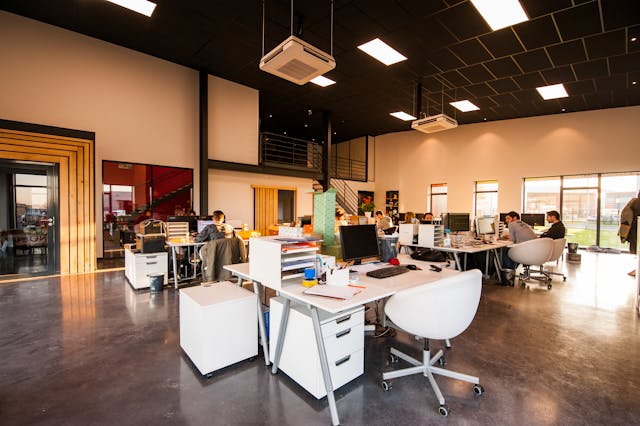
Creating a functional and inspiring office space ranks among the most significant investments a business owner will ever make. Whether you’re expanding a thriving company, planting roots in a new market, or establishing your first physical headquarters, the office building process demands careful planning, strategic thinking, and attention to what feels like a million moving parts. A well-designed office does double duty, it provides a productive environment where your team can do their best work while simultaneously broadcasting your company’s values and brand identity to everyone who walks through the door. This guide breaks down the essential steps of building an office, from those initial “napkin sketch” conversations through the day you finally hand out keys to your team.
Defining Your Office Requirements and Budget
Before you start dreaming about architectural renderings or signing any contracts, you need absolute clarity on what your office actually needs to accomplish. Take a hard look at your current team size and where you realistically expect to be in five to ten years, wishful thinking doesn’t help here. Calculate the square footage each employee needs, remembering that “space per person” includes more than just desks. You’ve got collaborative areas, conference rooms, break spaces, storage, and those specialized facilities like server rooms that nobody thinks about until it’s too late.
Selecting the Right Location and Property
Location decisions ripple outward, affecting everything from employee satisfaction to your bottom line for years to come. Think hard about accessibility, can your team get there easily, and will clients find you without resorting to GPS prayers? Factor in public transportation options, highway access, and whether there’s actually enough parking (because there’s never enough parking). The local business climate deserves serious research too. What tax incentives exist? How cooperative is the zoning board? Are there economic development programs that might ease your financial burden? Don’t underestimate the surrounding neighborhood’s impact on daily life.
Assembling Your Professional Team
Building an office successfully requires orchestrating expertise from multiple specialized professionals who actually talk to each other. Your first critical hire should be an architect who genuinely understands commercial office design and can translate your somewhat vague vision into practical, code-compliant plans that won’t get rejected at permit review. Look for portfolios demonstrating experience with projects reasonably similar to yours in both scale and complexity. Next up, you’ll need a general contractor who can actually manage the controlled chaos of construction, coordinate subcontractors who each think their trade takes priority, and somehow deliver on time and within budget. For business owners who need to streamline the entire construction process under one contract, professionals that use design build in Austin provide integrated architectural and construction services that can simplify project coordination and accountability. Beyond these key players, you might need civil engineers for site work, structural engineers for building systems, interior designers who understand both aesthetics and functionality, and technology consultants who won’t let you skimp on data infrastructure. Establish crystal, clear communication protocols from day one, who makes which decisions, who reports to whom, and how conflicts get resolved before they derail your timeline.
Navigating Permits and Regulatory Requirements
The permitting process ranks among the most time-consuming aspects of office construction, and it’s where many first-timers lose their optimism. Yet it’s absolutely non-negotiable for legal compliance and keeping your future occupants safe. Start by sitting down with local planning and zoning officials to understand every applicable regulation, building code, and approval process your project will face. You’ll typically need separate permits for site work, building construction, electrical systems, plumbing, mechanical systems, and potentially additional approvals for signage, landscaping, and parking lot development.
Managing the Construction Process
Once permits are secured and contracts signed, the real action begins with excavators tearing into your site and concrete trucks rolling in. Establish a regular inspection schedule, weekly visits at minimum, more frequently during critical phases like foundation pouring or structural steel erection. Require detailed progress reports from your general contractor that include updated schedules, budget tracking, and any change orders requiring your approval. Change orders are modifications to the original plans, and they’re remarkably common.
Planning Interior Finishes and Technology Infrastructure
While walls go up and roofs get installed, shift your focus to the interior elements that will define how your office actually feels and functions. Flooring selections need to balance durability, maintenance requirements, and visual appeal across different zones, commercial-grade carpet for quiet work areas, resilient flooring for high-traffic corridors, maybe polished concrete for those modern collaborative spaces everyone photographs for social media. Lighting systems impact both productivity and your monthly utility bills, so invest in LED technology with automated controls that adapt to natural light and occupancy patterns. Technology infrastructure deserves whatever budget you think it needs, then add another twenty percent.
Preparing for Occupancy and Ongoing Operations
As construction enters its final phase, start detailed planning for actually moving into your new space. Schedule a comprehensive punch list walkthrough with your contractor, methodically documenting every incomplete item or element requiring correction before you sign off on final payment. Obtain all necessary occupancy permits and compliance certificates from building inspectors, trying to move in without them invites problems you absolutely don’t need. Develop a moving plan that minimizes business disruption, perhaps scheduling the relocation over a weekend or moving department by department to maintain some operational continuity.
Conclusion
Building an office represents a defining moment in any company’s evolution, requiring substantial financial commitment, significant time investment, and persistent oversight throughout every phase. Following this structured approach, from initial requirements definition through post-occupancy refinement, helps business owners navigate the inherent complexity with greater confidence and fewer expensive missteps. Success hinges on assembling professionals who know what they’re doing, maintaining clear communication when things get complicated, and staying actively engaged in decisions that will affect your business for years. Challenges will definitely arise during construction, they always do, but thorough planning and proactive problem-solving help you create an office environment that genuinely supports your team’s productivity while reflecting who you are as an organization.