
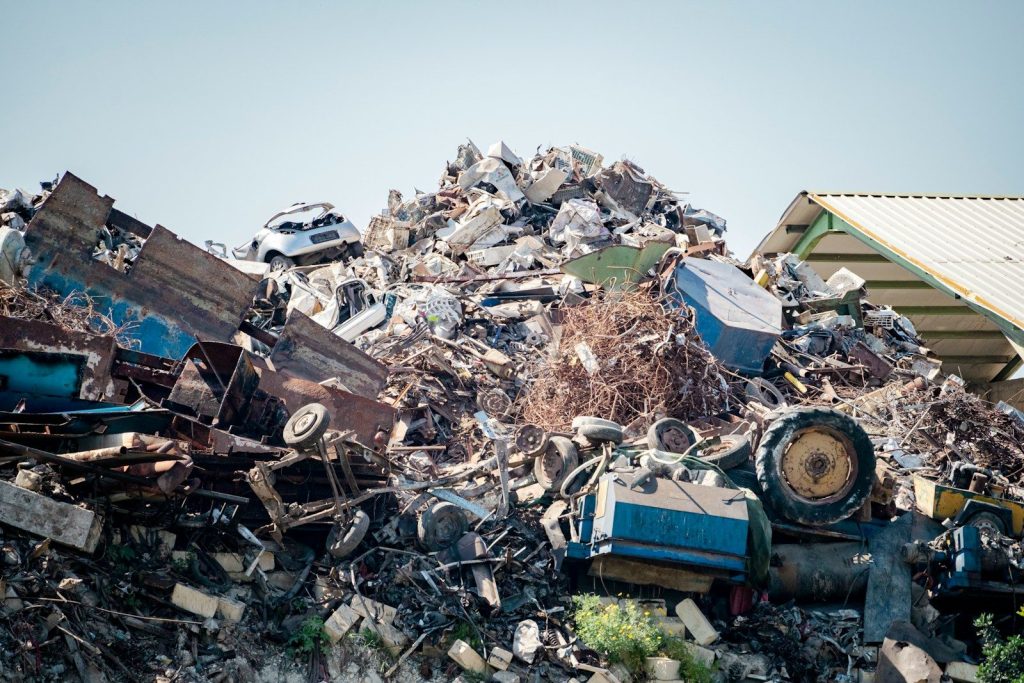
Scrap and byproducts are often treated as an unavoidable cost of doing business. Once materials leave the production line, attention usually shifts to finished goods, throughput, and delivery timelines. What gets left behind is rarely examined beyond basic disposal. Yet for many organizations, these overlooked material streams hold opportunities to improve efficiency, reduce costs, and strengthen operational discipline.
Looking more closely at scrap and byproducts is not about adding complexity or chasing sustainability trends. It is about understanding how materials move through your operation and using that insight to tighten processes, improve visibility, and uncover value that is already there. When managed intentionally, these streams can become indicators of performance rather than background noise.
Scrap As a Signal, Not Just a Cost
Every scrap stream tells a story. Excess material, offcuts, rejected components, or process residue often point to upstream inefficiencies. Instead of viewing scrap solely as waste, organizations can treat it as a signal that highlights where processes may be drifting.
A sudden increase in a particular byproduct can indicate equipment calibration issues, material quality problems, or inconsistent procedures between shifts. When scrap volumes are tracked consistently, patterns emerge that can guide preventive maintenance or process adjustments. Even small reductions in scrap rates can translate into meaningful savings over time, especially in material-intensive operations.
Framing scrap as operational feedback also changes how teams engage with it. When production and maintenance teams see that scrap data leads to real improvements, tracking becomes more accurate and conversations become more constructive.
Improve Flow by Managing Byproducts at The Source
One of the most common inefficiencies tied to scrap and byproducts is poor material flow. When these materials accumulate in production areas or are handled inconsistently, they slow movement, create safety risks, and interrupt core work.
Managing byproducts at the point of generation helps keep production areas clear and predictable. Dedicated containers, clear material separation, and right-sized equipment reduce handling time and prevent mixing that can limit recovery options. This approach also supports cleaner workspaces, which often leads to fewer errors and smoother inspections.
In manufacturing and industrial settings, aligning internal handling practices with external service capabilities can further streamline operations. For example, organizations that coordinate container types, pickup frequency, and reporting through industrial waste management support often find it easier to maintain consistent flow across departments and shifts, without adding administrative burden.
Turn Material Handling into A Reliability Advantage
Unplanned interruptions related to waste and scrap handling are more common than many teams realize. Overflow containers, delayed pickups, or equipment downtime can halt production just as effectively as a missing part. Treating scrap and byproduct handling as part of operational reliability helps prevent these disruptions.
Regular reviews of container capacity, service schedules, and equipment condition ensure that material handling keeps pace with production. This is especially important during seasonal peaks, product changes, or staffing shifts. A process that worked last quarter may not be sufficient today.
By building these checks into routine operations, organizations reduce the risk of last-minute fixes. Material handling becomes predictable, which supports better planning and fewer surprises on the floor.
Use Data to Support Smarter Decisions
Scrap and byproduct data is often underused. When it is collected at all, it may sit in spreadsheets or reports that are rarely reviewed. Turning this data into a decision-making tool does not require advanced analytics, just consistency and intention.
Tracking volumes by material type, location, or process step can highlight where changes will have the biggest impact. Over time, this data can support budgeting, vendor negotiations, and equipment investments. It can also provide context during audits or internal reviews by showing that material streams are actively managed rather than reactive.
For multi-site organizations, standardized reporting across locations helps leadership compare performance and share best practices. When data is consistent, improvements become easier to replicate rather than reinvent.
Strengthen Compliance and Safety Without Extra Effort
Scrap and byproducts often intersect with compliance and safety requirements, especially in regulated environments. Clear handling procedures, proper containment, and documented processes reduce risk while making inspections less disruptive.
When material streams are organized and well understood, compliance becomes a byproduct of good operations rather than a separate task. Teams spend less time preparing for inspections and more time maintaining standards daily. This also supports safer workplaces by reducing clutter, spills, and manual handling hazards.
Integrating scrap management into existing safety walks or internal audits keeps it visible without adding meetings or paperwork. Over time, this consistency builds confidence that processes are working as intended.
Conclusion
Scrap and byproducts are more than leftovers. They are reflections of how well an operation is aligned, maintained, and managed. By paying closer attention to these material streams, organizations can uncover operational wins that extend beyond waste reduction. Improved flow, better data, fewer disruptions, and stronger compliance all start with understanding what is being discarded and why. When scrap is treated as part of the system instead of an afterthought, it becomes a tool for continuous improvement rather than a hidden cost.