
Are you tired of sky-high electricity bills draining your wallet every month? You’re not alone. As energy prices continue to rise, many homeowners and businesses are seeking effective ways to cut costs while maintaining comfort and efficiency. The good news is that renewable energy solutions have emerged as a powerful alternative. Imagine harnessing the natural elements around you—not only for clean, sustainable power but also for significant savings on your utility expenses.
In this blog post, we’ll explore various renewable energy options available today and how they can transform your approach to energy consumption. From tapping into the Earth’s heat with geothermal systems to other innovative sources, there’s a wealth of opportunities waiting for you. Let’s dive in!
The Importance of Reducing Electricity Bills
Reducing electricity bills is more than just a smart financial move. It’s a step toward sustainability and responsible living. With energy costs on the rise, finding ways to cut expenses becomes crucial for households and businesses alike. Sun Energy offers solar panels and battery solutions to help you save on electricity while supporting a greener future.
High electricity bills can strain budgets, limiting how much you can spend on other essentials or even leisure activities. By lowering these costs, you free up funds for savings or investments in other areas of your life.
Additionally, cutting back on energy consumption helps reduce your carbon footprint. Every kilowatt saved translates into less demand from power plants that often rely on fossil fuels.
Embracing efficiency not only benefits your wallet but also contributes to a healthier planet. As awareness grows about environmental issues, many are seeking greener solutions—making it both an economical choice and an ethical one.
Understanding Renewable Energy Solutions
Renewable energy solutions harness natural resources to produce electricity. These sources include sunlight, wind, water, and geothermal heat. Unlike fossil fuels, they don’t deplete over time and are far less harmful to the environment.
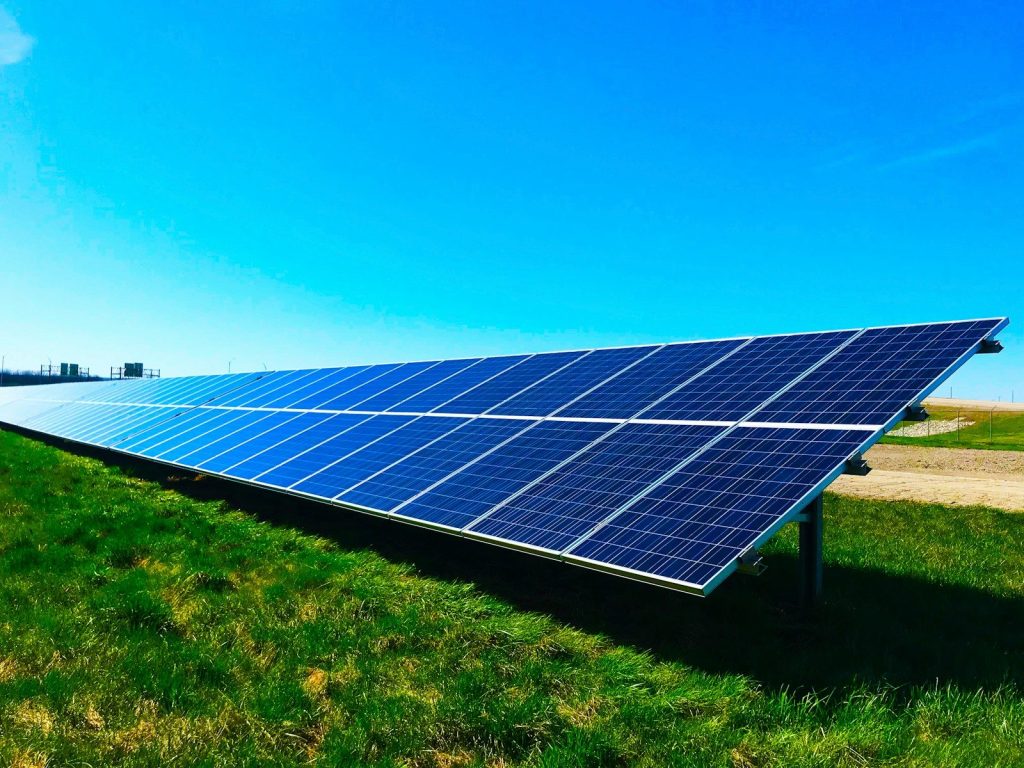
Solar power captures energy from the sun using photovoltaic panels. Wind turbines convert kinetic energy from air movement into usable electricity. Hydropower relies on flowing water to generate power while geothermal taps into the Earth’s internal heat.
Each solution has unique advantages tailored for different environments or needs. The beauty of renewable energy lies in its versatility and sustainability. It reduces dependence on non-renewable resources and contributes to cleaner air.
Adopting these technologies can also lead to significant savings on utility bills over time. As costs continue to decline, more homeowners and businesses are exploring options that fit their specific situations seamlessly.
Geothermal Energy Utilizing the Earth’s Heat
Geothermal energy harnesses the Earth’s internal heat, a powerful resource often overlooked. By tapping into this natural energy source, we can significantly reduce our reliance on fossil fuels.
The process involves drilling deep wells to access steam or hot water from underground reservoirs. This steam drives turbines that generate electricity. It’s efficient and produces minimal emissions.
In addition to electricity generation, geothermal systems can provide direct heating for homes and businesses. Imagine using the steady warmth of the Earth to heat your space during winter months!
Investing in geothermal technology not only lowers energy costs but also boosts property value over time. As people become more environmentally conscious, properties with renewable solutions stand out in the market.
With advancements in technology, geothermal systems are becoming increasingly accessible and affordable for everyday use. Embracing this option is a step toward sustainable living while cutting those pesky electricity bills.
Benefits of Switching to Renewable Energy Sources
Switching to renewable energy sources offers numerous advantages that can transform both homes and businesses. One of the most significant benefits is cost savings. Once installed, systems like solar panels or wind turbines often reduce monthly electricity expenses significantly.
Environmental impacts are another key factor. Renewable energy reduces greenhouse gas emissions, contributing to a healthier planet. This shift helps combat climate change while promoting cleaner air quality in your community.
Furthermore, investing in renewables enhances energy independence. With local resources harnessed for power generation, reliance on imported fuels decreases dramatically.
Job creation is an additional bonus linked to this transition. The renewable sector continues to grow, generating new employment opportunities across various fields from installation to maintenance.
Many governments offer incentives for adopting clean technologies, making it more financially feasible than ever before. Embracing these solutions not only benefits individuals but also fosters a sustainable future for generations ahead.
Implementing Renewable Energy Solutions in Your Home or Business
Implementing renewable energy solutions in your home or business can be a transformative experience. It starts with assessing your current energy usage and needs. Understanding where you consume the most electricity allows you to pinpoint areas for improvement.
Solar panels are often the first step many take. They harness sunlight, converting it into usable electricity. This not only reduces reliance on grid power but can also lead to significant savings over time.
Wind turbines are another option, especially for those with sufficient outdoor space. A small turbine can generate enough energy to offset a substantial portion of your electricity bills.
Geothermal systems provide an innovative approach by tapping into the Earth’s natural heat. Installing ground-source heat pumps does require initial investment but pays off through lower heating and cooling costs throughout the year.
For businesses, incorporating these technologies not only cuts expenses but also enhances sustainability efforts. Marketing that focuses on eco-friendliness resonates well with today’s consumers who value corporate social responsibility.
Transitioning may seem daunting at first, yet there are numerous incentives available such as tax credits and rebates that ease financial burdens associated with installation costs.
Staying informed about local regulations is essential too; some regions have specific guidelines around renewable installations which could affect your choices or available incentives.
By taking one step at a time—whether it’s starting small with solar panels or going big with wind—they each contribute positively toward cutting down those ever-increasing electric bills while promoting environmental stewardship simultaneously.
With options more accessible than ever before, embracing renewable energy represents both smart financial management and commitment to future generations’ wellbeing.