Pests are more than just a nuisance—they can damage your property, contaminate your food, and even affect your health. While it’s natural to encounter a few insects or rodents occasionally, some homes seem to attract pests more than others. Often, this is not due to bad luck but because of certain habits or oversights in home maintenance. Understanding these common mistakes can help you prevent infestations and protect your home.
Common Home Mistakes That Invite Pests
Many homeowners unknowingly make errors that create ideal environments for pests. Addressing these issues is key to keeping your home pest-free.
Leaving Food Out or Uncovered
One of the biggest invitations for pests is accessible food. Crumbs on the counter, unsealed pantry items, or pet food left out overnight can attract ants, cockroaches, and rodents. Even seemingly minor food sources like fruit bowls, spilled cereal, or sugary drinks can entice pests.
Tip: Store all food in airtight containers and clean up immediately after meals. Regularly vacuum and sweep floors to remove crumbs.
Ignoring Moisture Problems
Pests are naturally drawn to water sources. Leaky pipes, dripping faucets, or damp basements create perfect conditions for insects like cockroaches, silverfish, and termites. Moisture also encourages mold, which can further attract pests.
If you notice persistent damp spots, it’s essential to address the source. In some cases, professional services like pest removal Cincinnati can identify and remediate hidden water-related problems that contribute to infestations.
Poor Waste Management
Garbage is another magnet for pests. Overflowing trash bins, unsealed garbage bags, or compost piles near the house can attract flies, rodents, and other unwanted guests. Even indoor garbage cans should be emptied regularly and lined with sturdy, sealed bags.
Tip: Keep compost bins at least 10 feet away from your home and consider using pest-resistant containers for outdoor trash.
Cluttered Living Spaces
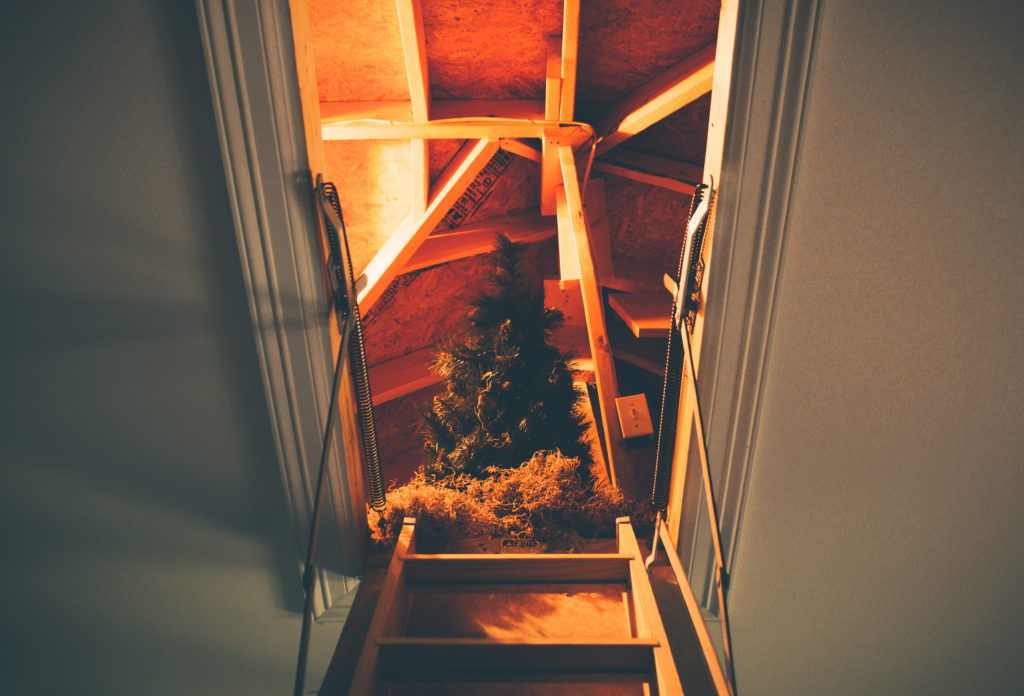
Clutter provides hiding spots and nesting areas for pests. Cardboard boxes, stacks of newspapers, and unused furniture can become a safe haven for rodents, spiders, and insects. Pests can reproduce in these hidden areas, making infestations harder to detect until they become severe.
Solution: Maintain an organized home and regularly declutter. Use plastic storage containers with tight lids instead of cardboard boxes to reduce pest harborage.
Unsealed Entry Points
Pests can enter through surprisingly small openings. Gaps around windows and doors, cracks in the foundation, or holes in screens are common entry points for rodents and insects.
Inspect your home periodically for potential access points. Seal gaps with weatherstripping, caulk, or steel wool to prevent pests from finding their way inside.
Overgrown Vegetation Near the House
Landscaping can unintentionally encourage pests. Overgrown bushes, dense ivy, and trees touching your roof or siding create bridges for pests to enter your home. These areas also retain moisture, attracting insects like mosquitoes and termites.
Tip: Trim vegetation away from your house and maintain at least a few feet of clearance around the foundation.
Neglecting Regular Cleaning
Regular cleaning is essential in pest prevention. Dust, crumbs, and food residue can accumulate in overlooked areas, such as under appliances, behind cabinets, or in corners.
Deep cleaning on a schedule helps eliminate food sources and reveals early signs of pest activity. Pay attention to areas like:
- Kitchen cabinets
- Under sinks
- Laundry rooms
- Attics and basements
Ignoring Outdoor Maintenance
Your yard can influence pest activity inside your home. Standing water in birdbaths, clogged gutters, and poorly drained areas can encourage mosquito breeding and other insect activity. Additionally, firewood or debris stacked against the house can provide shelter for rodents and termites.
Tip: Ensure proper drainage, remove debris, and store firewood away from your home’s perimeter.
DIY Pest Solutions Without Knowledge
While DIY pest control methods are popular, improper techniques can make infestations worse. Using the wrong traps, sprays, or repellents can fail to address the root cause and may even disperse pests further into your home.
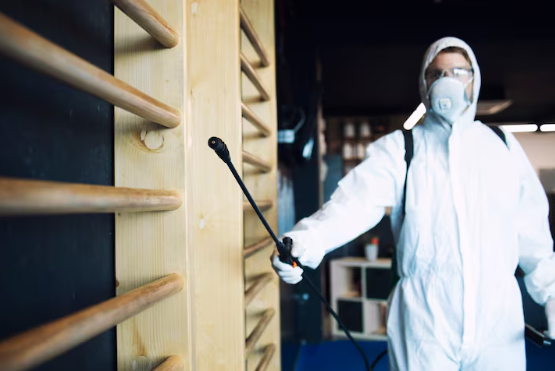
Professional pest control services provide expertise, targeted solutions, and follow-up inspections to ensure complete removal. Combining these services with preventive measures can keep your home pest-free.
Signs You Need Professional Help
If you notice:
- Droppings or urine stains
- Chewed wiring or furniture
- Strange odors
- Live insects or rodents
…it’s time to call in experts. Early intervention prevents extensive damage and reduces health risks associated with pests.
Preventive Measures for a Pest-Free Home
Preventing pests is easier than dealing with a full-blown infestation. Key preventive strategies include:
- Store food properly and clean up spills immediately
- Fix leaks and eliminate standing water
- Seal gaps around doors, windows, and vents
- Maintain a clutter-free home
- Keep vegetation trimmed and away from your home
- Dispose of garbage and compost properly
- Schedule regular inspections with a professional pest control company
Final Thoughts
Pest infestations are rarely random. They are often the result of small mistakes or overlooked areas in your home. By understanding the common pitfalls that attract pests, you can take proactive steps to protect your home, your family’s health, and your peace of mind.
If you’re struggling with recurring pest issues, consider professional assistance. Services like pest removal Cincinnati offer expert guidance and targeted solutions to keep your home pest-free all year long. Remember, prevention is always easier—and safer—than a full-scale infestation.