
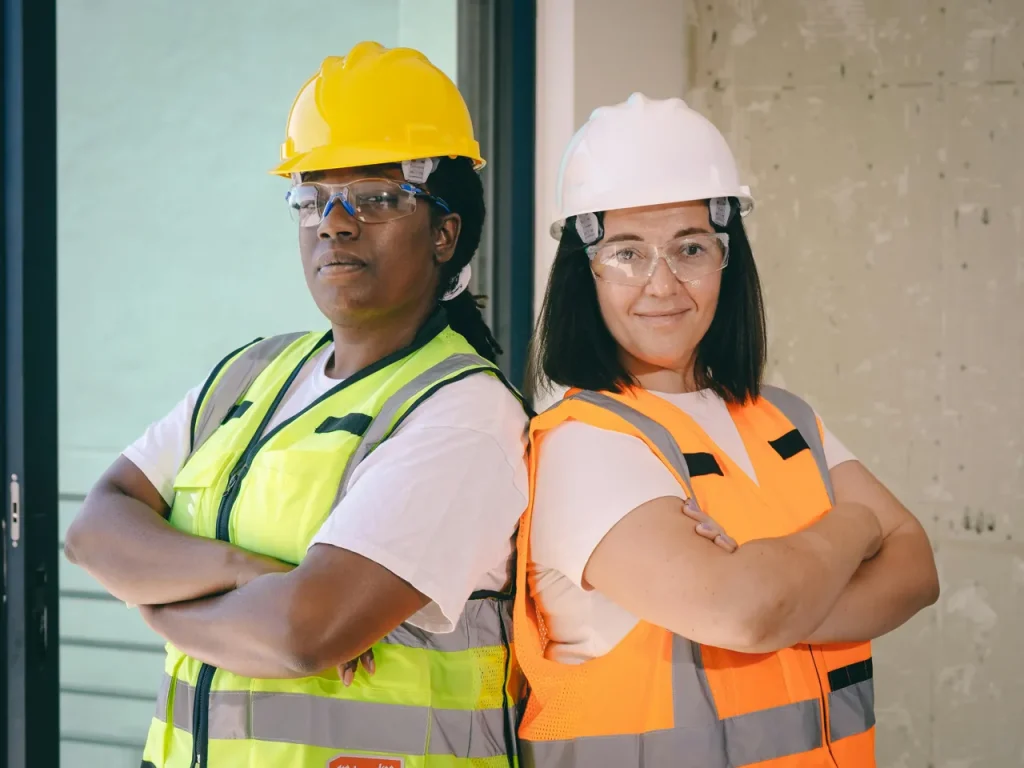
Creating a safe workplace is one of the most effective ways to protect employees, reduce operational risks, and ensure consistent productivity. Businesses of all sizes benefit from strong safety foundations because these practices support long term growth and help organizations maintain compliance with changing regulations. As industries evolve and technology advances, the expectations for workplace safety rise as well. Companies that take a proactive approach often see improvements in employee morale, operational efficiency, and overall workplace culture. Elevating safety standards does not have to be overwhelming. With strategic planning and practical updates, any business can strengthen its baseline practices in a meaningful and sustainable way.
Establishing a Clear and Actionable Safety Framework
A strong safety program begins with a well defined framework that outlines expectations, responsibilities, and procedures. Businesses should start by reviewing existing policies, identifying outdated practices, and addressing gaps that may have developed over time. This includes evaluating how safety information is communicated and whether employees understand their roles within the system.
Clear documentation is essential. Employees need easy access to protocols for emergency response, equipment handling, hazard reporting, and daily safety routines. Regular training ensures team members stay informed as guidelines change or new risks emerge. When a safety framework is both comprehensive and easy to follow, it establishes a consistent foundation that supports all other improvement efforts.
Investing in the Right Equipment and Tools
Equipment selection has a direct impact on workplace safety, particularly in industries that involve fabrication, manufacturing, or heavy labor. Businesses should routinely evaluate their tools and machinery to ensure they align with current safety standards. Replacing outdated or unreliable equipment can significantly reduce risks and improve overall efficiency.
Ventilation and air quality systems are major considerations in environments where dust, fumes, or airborne particles are generated. For example, facilities that rely on cutting, grinding, or welding processes may incorporate a wet downdraft table to better manage air contaminants at the source. Investing in equipment designed for modern safety expectations demonstrates a commitment to employee well being and can help reduce long term operational costs by minimizing accidents and maintenance issues.
Strengthening Daily Operational Habits
Daily routines often have the greatest influence on a company’s overall safety culture. Encouraging simple but effective habits can prevent many common incidents. This includes maintaining clean and organized work areas, enforcing appropriate personal protective equipment use, and performing regular equipment inspections before each shift.
Supervisors play a key role by modeling proper behavior and providing real time feedback. When leaders prioritize safety, employees are more likely to follow suit. Consistent reinforcement helps shape habits into standard practice, which ultimately raises the baseline level of safety across the entire organization.
Leveraging Technology for Smarter Safety Management
Modern technology provides valuable tools that help businesses monitor, track, and improve their safety performance. Digital platforms can streamline incident reporting, automate maintenance schedules, and store important safety documentation. These systems make it easier to identify patterns, assign corrective actions, and ensure compliance with regulatory requirements.
Wearable devices and smart sensors have also grown in popularity. These tools can alert employees to hazards, track environmental conditions, and provide data that supports safer decision making. Technology driven insights help businesses take a preventative approach rather than reacting after a problem occurs. As these solutions become more accessible, even small companies can benefit from implementing them.
Cultivating a Culture That Prioritizes Safety
The most effective safety improvements come from a workplace culture that values responsibility, communication, and continuous learning. Employees should feel comfortable voicing concerns, reporting potential hazards, and suggesting improvements. When workers know their feedback is taken seriously, they become active participants in safety initiatives.
Recognition programs can reinforce positive behavior by highlighting teams or individuals who consistently follow protocols or help prevent incidents. Regular meetings, toolbox talks, and workshops keep safety at the forefront of daily operations. A culture built on accountability and mutual respect not only reduces accidents but also strengthens trust and teamwork.
Conclusion
Elevating baseline safety standards is a strategic investment that benefits both employees and the organization as a whole. By developing a clear safety framework, upgrading essential equipment, reinforcing daily best practices, adopting helpful technology, and fostering a culture that values proactive thinking, businesses can create safer and more productive environments. These targeted efforts support long term sustainability and help ensure that every team member works confidently and responsibly.