
Introduction
Speaking events can inspire, teach, and bring people together in ways that matter. Whether you’re putting together a business seminar, a community meet-up, or a work conference how well the event goes depends on careful planning and paying attention to the little things. A speaking event that people remember doesn’t just happen—it’s the result of smart prep work good choices, and a focus on creating an experience that grabs and holds the audience’s attention. Here are nine tips to help you plan a speaking event that will stick in people’s minds.
Set Clear Goals
Every successful event starts with a clear goal. Think about what you want people to get out of the experience. Do you want to teach them something, inspire them, or help them make connections? Setting your aims helps you make choices about speakers, content, and how to run things. When your event has a strong purpose, it’s easier to make sure everything works together to achieve that vision so people leave with useful insights.
Choose the Right Venue
The location you pick sets the mood for your whole event. Think about how big it is how easy it is to get to, and what kind of vibe it has when you’re choosing a place. If your venue’s too big, it might feel empty. But if it’s too small, people could feel squeezed in and uneasy. How you light the place how sound travels, and where you put the seats also make a big difference in creating a friendly space. The right spot boosts the speaker’s impact and keeps everyone comfy and interested from start to finish.
Pick a Speaker Who Grabs Attention
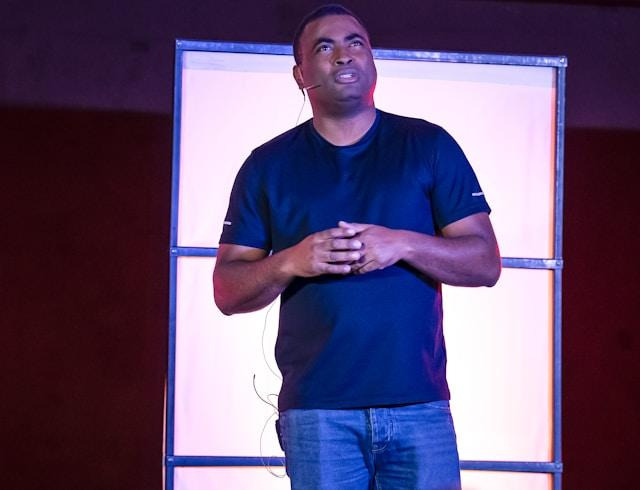
The speaker often takes center stage at events, and picking the right one can make a big difference. Look for someone with knowledge of the topic and the skill to connect with the crowd . For instance, groups holding events in the Pacific Northwest have seen that getting a keynote speaker in Spokane can boost the experience giving both local relevance and professional standing. A speaker who clicks with the audience makes sure the message has an impact and sticks in people’s minds.
Create an Engaging Schedule
A captivating schedule keeps guests interested and stops the event from becoming boring. Mix keynote talks with hands-on workshops, panel chats, or networking pauses. Different activities make sure that people stay lively and involved. Also, think about how the program flows—putting high-energy sessions after breaks or scheduling talks that make you think at the start can set the right mood. A well-planned schedule shows you value guests’ time and gives them the most benefit.
Focus on Audience Engagement
Events stick in people’s minds when guests feel they’re taking part, not just sitting and listening. Mix in chances to get involved, like Q&A time live voting, or chats in small groups. Push speakers to tell stories, ask the crowd questions, and get their thoughts. Getting people involved keeps the energy up and helps guests connect better with what’s being shared. When people feel they’re part of things, they’re more likely to remember what they learned and use it in ways that matter.
Pay Attention to Technical Details
Technical problems can throw a wrench in the works of a well-planned event. Make sure you test the audio-visual gear beforehand, check that the mics work, and confirm that presentations are compatible with the venue’s setup. Have a Plan B ready for possible hiccups, like extra projectors or spare mics. When the tech runs , everyone can focus on the content without distractions that might take away from the audience’s experience.
Create a Welcoming Atmosphere
The event’s atmosphere has a big impact on how attendees feel about it. Guests should feel welcome and important from the moment they arrive. Think about things like signs, check-in processes, and how you treat people. Nice staff easy-to-follow directions, and thoughtful extras like snacks or comfy chairs help create a good vibe. When people feel welcome, they’re more likely to make real connections and feel like the event cares about them.
Promote the Event
No matter how well you plan an event, it won’t succeed without people showing up. Getting the word out is key to drawing in the right crowd. Spread the message through different channels – social media, emails, and teaming up with community groups. Show off what makes your event worth attending, like the speakers, topics, and chances to network. Make sure to share all the details – when it’s happening, what time, and where. This helps potential attendees decide to come. Good promotion builds excitement and gets more people to show up.
Get Input and Think It Over
The event’s conclusion doesn’t signal the end of the planning journey. To get useful insights on successes and areas to improve, organizers should gather feedback from those who attended. They can do this through surveys casual chats, or online tools. Taking time to think about this input helps planners make future events better and build on what went well. By always trying to get better, each speaking event can have more impact than the one before, which boosts your standing as a smart and capable organizer.
Conclusion
Putting together a great speaking event takes more than just finding a place and getting someone to talk. You need to set clear goals, pick the right spot, find a speaker who can grab people’s attention, make an interesting schedule, and keep the audience involved. Don’t forget about the tech stuff making everyone feel welcome, getting the word out, and asking for feedback after. These nine tips help organizers create events that fire people up, teach them something new, and stick in their minds. When you plan a speaking event well, it doesn’t just hit the mark for that day – it builds excitement for what’s next. People leave feeling pumped up and connected to others.