
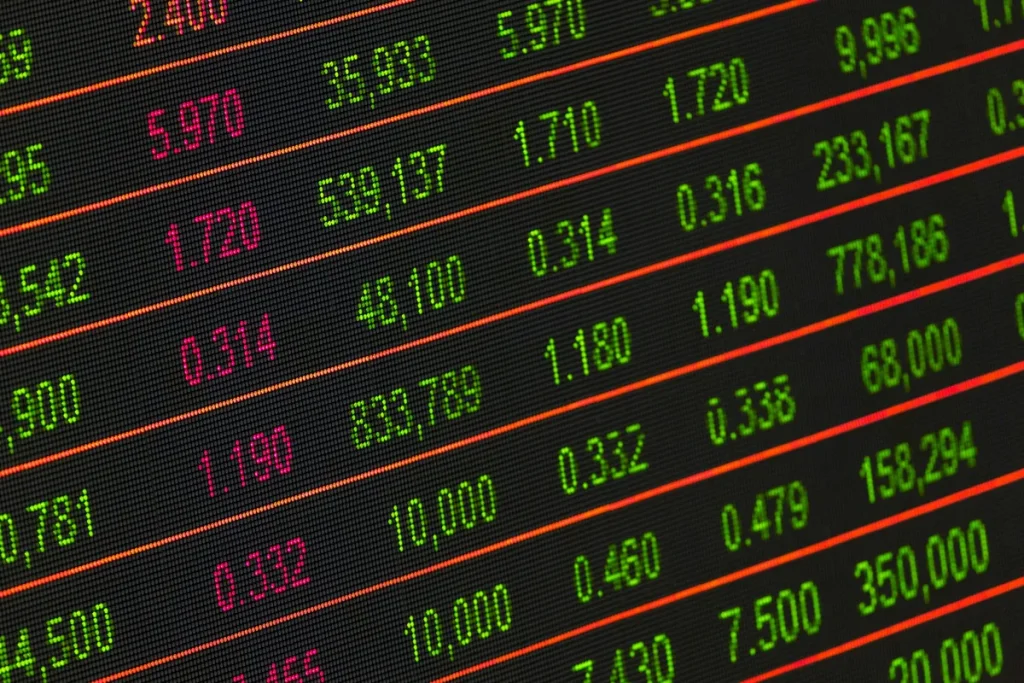
Economic indicators are the pulse points of the global economy. They tell us whether growth is accelerating, slowing, or shifting in unexpected ways. Yet for many business leaders and investors, these signals can feel overwhelming or even contradictory. Understanding what they truly mean is essential for making informed decisions, whether you are planning a major investment, adjusting business strategy, or simply trying to anticipate market trends. The challenge lies in separating noise from insight and interpreting data in context.
Why Economic Indicators Matter
Economic indicators are more than abstract numbers. They represent real-world dynamics that affect everything from consumer confidence to corporate earnings. Leading indicators, such as manufacturing orders or housing starts, often signal future economic activity. Lagging indicators, like unemployment rates, confirm trends that have already taken shape. Then there are coincident indicators, which move in step with the economy and provide a snapshot of current conditions.
For decision-makers, these metrics are critical because they influence policy, capital flows, and market sentiment. A sudden drop in consumer spending, for example, can ripple through supply chains and impact revenue forecasts. Conversely, strong job growth may boost confidence and fuel demand. The ability to interpret these signals accurately can mean the difference between seizing an opportunity and missing it entirely.
Common Pitfalls in Interpretation
One of the biggest mistakes businesses make is viewing indicators in isolation. A single data point rarely tells the full story. For instance, rising inflation might suggest overheating, but if wage growth is stagnant, the picture changes. Similarly, a decline in GDP could signal contraction, yet if consumer savings are high, it may indicate deferred spending rather than structural weakness.
Another pitfall is ignoring time frames. Short-term fluctuations often reflect seasonal patterns or temporary shocks rather than long-term trends. Analysts must distinguish between cyclical movements and structural shifts to avoid overreacting. Context matters, and without it, even accurate data can lead to flawed conclusions.
How Professionals Use Indicators Strategically
Experienced analysts and traders rely on indicators to shape strategies, but they do so with discipline and a framework. They combine macroeconomic data with sector-specific insights to build a comprehensive view. For example, an investor might track interest rate trends alongside housing market data to anticipate real estate performance. Businesses may monitor consumer confidence and retail sales before launching new products.
Organizations like Maven Trading emphasize the importance of structured analysis when interpreting economic signals. Their approach integrates technical and fundamental perspectives, helping individuals understand how indicators influence market behavior. This kind of disciplined methodology reduces guesswork and turns raw data into actionable intelligence.
Indicators That Deserve Your Attention Today
Not all indicators carry equal weight, and their relevance can shift depending on the economic cycle. In periods of uncertainty, metrics like purchasing managers’ indexes (PMI), consumer sentiment surveys, and yield curve movements often provide early warnings. PMI readings, for instance, reveal whether manufacturing activity is expanding or contracting, which can foreshadow broader economic trends.
Labor market data remains a cornerstone of economic analysis. Employment levels, wage growth, and job openings offer clues about consumer spending power and inflationary pressures. Similarly, housing starts and building permits can indicate confidence in long-term growth. By focusing on a curated set of indicators rather than chasing every headline, businesses and investors can maintain clarity amid complexity.
Turning Data Into Decisions
Understanding indicators is only valuable if it leads to better decisions. This requires translating abstract metrics into practical implications. If inflation is rising faster than expected, companies may need to revisit pricing strategies or renegotiate supplier contracts. If consumer confidence is falling, marketing campaigns might shift toward value propositions rather than premium positioning.
For investors, the process involves aligning portfolio allocations with macro trends. A steepening yield curve might favor cyclical sectors, while a flattening curve could signal caution. The goal is not to predict the future with certainty but to position intelligently based on probabilities. When data interpretation becomes part of a disciplined decision-making process, it transforms from a source of confusion into a competitive advantage.
Conclusion
Economic indicators are powerful tools, but their value depends on context, interpretation, and application. By understanding what these signals truly mean, businesses and investors can navigate uncertainty with confidence. The next time you encounter a headline about GDP growth or inflation rates, look beyond the number and ask what it implies for your strategy. In a world where information moves fast, clarity is the ultimate edge.