
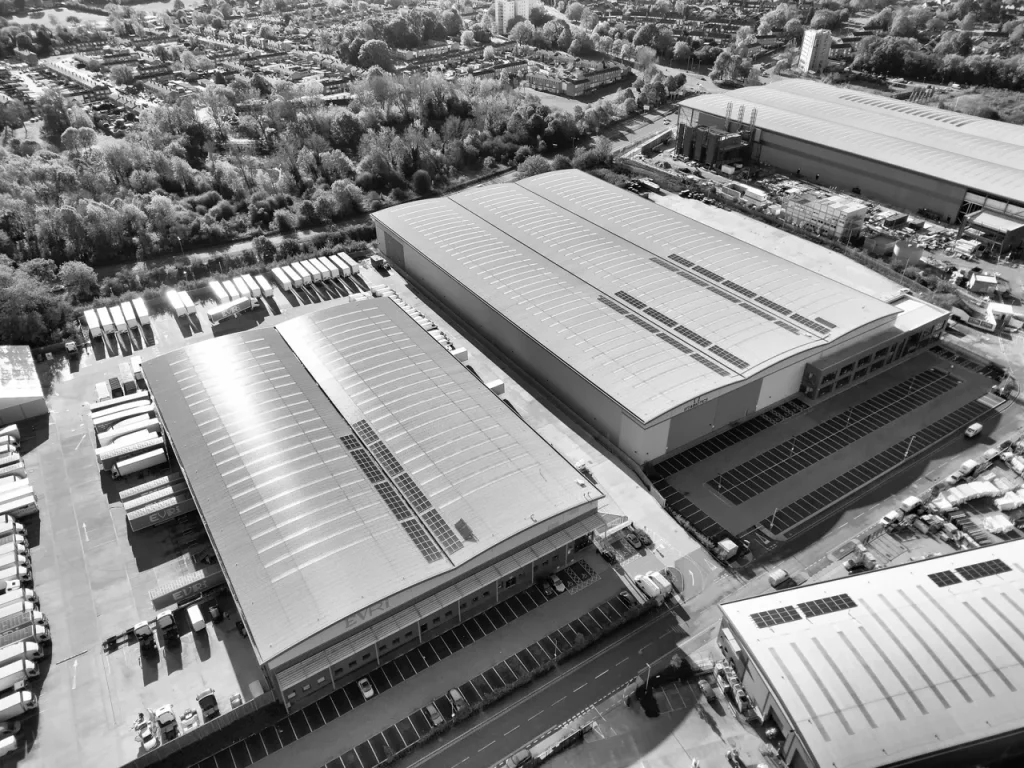
Business expansion is an exciting milestone, but it also places new demands on a company’s physical and operational infrastructure. As teams grow, locations multiply, and service capacity increases, infrastructure can quickly become a limiting factor if it is not managed with intention. Many organizations focus heavily on growth strategy and revenue goals while underestimating how facilities, utilities, and systems must evolve alongside them. Thoughtful infrastructure management during expansion helps prevent disruptions, protects investments, and creates a stable foundation that supports long term success.
Assess Current Capacity Before Scaling Up
Before expanding operations, it is essential to understand the limits of existing infrastructure. Buildings, utilities, and internal systems were often designed for current occupancy and usage levels, not future demands. Expanding without a clear assessment can strain electrical capacity, water usage, network bandwidth, and climate control systems.
A thorough capacity review should examine how much additional load current infrastructure can realistically support. This includes evaluating HVAC performance, power distribution, plumbing systems, and structural limitations. Identifying constraints early allows leadership to plan upgrades at the right time rather than reacting to failures after growth has already occurred.
This evaluation also provides valuable data for budgeting and scheduling. Infrastructure improvements can be coordinated with expansion phases to minimize downtime and avoid costly emergency repairs.
Plan Facilities With Flexibility in Mind
Expansion rarely happens in a straight line. Teams grow, workflows shift, and physical space requirements change over time. Infrastructure planning that prioritizes flexibility helps businesses adapt without repeated renovations or relocations.
Flexible layouts, modular systems, and scalable utilities can make a significant difference. For example, electrical and data systems designed with future expansion in mind are easier to extend without major rework. Open ceiling designs can simplify access to mechanical components, while adaptable floor plans reduce the need for structural changes.
Exterior components also play a role in long term flexibility. During expansions that involve new locations or larger facilities, coordinating with professionals such as Austin roofing contractors during planning can help ensure roof systems support added equipment, drainage needs, or future modifications without compromising performance.
Align Infrastructure Upgrades With Business Operations
One of the greatest challenges during expansion is managing improvements without disrupting daily operations. Infrastructure upgrades often involve temporary shutdowns, noise, or restricted access, all of which can affect productivity and customer experience.
Successful expansion planning aligns infrastructure work with operational realities. Scheduling upgrades during off peak hours, coordinating phases carefully, and communicating timelines clearly helps reduce friction. In some cases, temporary systems can be installed to maintain service continuity while permanent upgrades are completed.
This alignment requires collaboration between leadership, facilities managers, and operational teams. When all stakeholders understand both the business goals and the infrastructure timeline, decisions are more likely to support smooth transitions rather than create bottlenecks.
Strengthen Maintenance and Monitoring Systems
As infrastructure grows more complex, maintenance becomes increasingly important. Expansion often introduces new equipment, systems, and spaces that require consistent oversight. Without updated maintenance plans, minor issues can spread across a larger footprint and become difficult to control.
Monitoring systems, such as building management software and utility tracking tools, provide valuable insights into performance and usage trends. These systems allow teams to identify inefficiencies, anticipate maintenance needs, and prevent failures before they occur. Maintenance schedules should be reviewed and adjusted to reflect expanded operations, higher usage levels, and new equipment requirements.
Clear documentation is also critical. Service records, warranties, and system specifications must remain accessible and organized as facilities evolve. Strong maintenance practices protect infrastructure investments and extend the usable life of critical assets.
Prepare Infrastructure for Regulatory and Safety Requirements
Growth often brings increased regulatory scrutiny and safety obligations. Expanded facilities may trigger new building codes, zoning requirements, or occupancy standards that older infrastructure was not designed to meet.
Preparing for these requirements involves more than compliance checks. Infrastructure must support safe evacuation, fire protection, accessibility, and environmental controls at a larger scale. Electrical systems may require additional safeguards, and mechanical systems may need upgrades to meet efficiency or air quality standards.
Engaging qualified professionals during the expansion planning process helps identify regulatory impacts early. Addressing these requirements proactively reduces the risk of delays, fines, or forced retrofits after expansion is underway.
Conclusion
Managing infrastructure during business expansion requires foresight, coordination, and a clear understanding of how physical systems support operational goals. Assessing current capacity, building flexibility into facilities, aligning improvements with daily operations, strengthening maintenance practices, and preparing for regulatory requirements all contribute to smoother growth. When infrastructure planning is treated as a strategic priority rather than an afterthought, businesses are better positioned to expand confidently and sustainably while protecting the systems that keep operations running.