
Freight shipping plays an essential role in global supply chains, connecting businesses to suppliers, customers, and markets across long distances. Companies rely on freight services to move products safely, efficiently, and cost effectively. Because each shipment carries unique requirements, understanding the various types of freight shipping allows businesses to choose methods that support their timelines, budgets, and operational goals.
Full Truckload Shipping for Large Shipments
Full truckload shipping is a common solution for businesses that need to move large quantities of goods at once. This method reserves an entire truck for a single shipment, providing a direct route from pickup to delivery. Companies choose this option when transporting high volume orders, heavy equipment, or goods that require secure handling. Full truckload shipping reduces the risk of damage because freight remains in the same vehicle throughout the journey. Many carriers use digital tools such as a freight matching platform to connect loads to available trucks quickly and reduce empty miles. This efficiency benefits both carriers and shippers by improving travel routes and lowering transportation costs.
Less Than Truckload Shipping for Smaller Shipments
Less than truckload shipping is ideal for companies that do not have enough freight to fill an entire truck. This option combines shipments from multiple businesses into a single vehicle, which helps keep costs manageable. LTL shipping offers flexibility because companies can send smaller loads without waiting to build larger shipments. Although goods may experience more handling due to transfers between terminals, the method remains popular for its affordability and convenience. Businesses benefit from the ability to maintain consistent shipments without committing to full truckload costs.
Intermodal Shipping Combines Multiple Transportation Modes
Intermodal shipping uses a combination of transportation methods such as trucks, trains, and ships. This method is especially valuable for long distance and international shipments because it optimizes each part of the journey. Rail transport, for example, can handle heavy freight at a lower cost, while trucking provides flexible first mile and last mile delivery. Intermodal shipping supports environmental goals because trains and ships offer lower emissions per unit of freight compared to trucks. This method increases logistical flexibility while maintaining predictable transit times.
Air Freight Supports Time Sensitive Shipments
Air freight is the fastest method of transporting goods across long distances. Companies choose this option when shipping urgent, high value, or time sensitive items. Electronics, replacement parts, medical supplies, and luxury goods often rely on air transport. Although air freight is more expensive than other methods, the speed and reliability it offers often justify the investment. Businesses benefit from shorter delivery windows, reduced risk of delays, and enhanced security throughout the shipping process.
Ocean Freight Moves Goods Across Global Markets
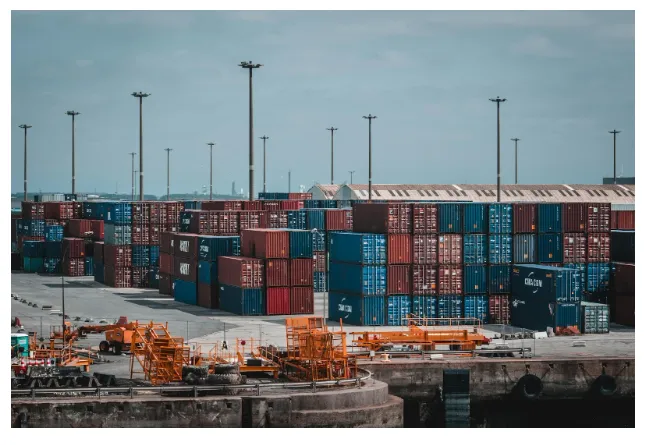
Ocean freight is a cornerstone of international trade. Large containers travel on cargo ships, transporting goods efficiently across continents. This method is ideal for bulk shipments or heavy items that do not require fast delivery. Ocean freight offers cost advantages for long distances, making it a popular choice for manufacturers and importers. While transit times are longer, businesses can plan around these schedules by forecasting demand and coordinating shipments in advance.
Rail Freight Offers High Capacity and Cost Efficiency
Rail freight is known for its ability to move large quantities of goods at low cost. It is especially beneficial for businesses transporting raw materials, agricultural products, or heavy industrial supplies. Rail transport supports long distance shipments and helps reduce congestion on highways. Companies often use rail shipping alongside trucking services to complete the journey. This combined approach supports both efficiency and flexibility.
Specialized Freight Shipping for Sensitive Items
Some goods require specialized handling. Temperature sensitive products such as food or pharmaceuticals need refrigerated containers. Hazardous materials require secure containment and trained carriers. Fragile goods may need custom packing or shock resistant environments. Specialized freight shipping ensures these items remain protected throughout the journey. Skilled carriers follow industry regulations to maintain safety and prevent damage or contamination.
Choosing the Right Freight Method for Business Needs
Businesses should evaluate several factors when choosing a freight method. Shipping speed, cost, cargo size, product sensitivity, destination, and budget all influence the decision. Companies shipping small parcels frequently may choose LTL services, while manufacturers shipping full pallets may benefit from full truckload or intermodal options. Tools that incorporate a freight matching platform help businesses find carriers quickly, compare rates, and secure routes that fit their priorities. Planning also plays an important role. Forecasting demand allows businesses to schedule shipments that reduce rush fees and avoid last minute disruptions.
Conclusion
Freight shipping includes a wide range of methods designed to accommodate different timelines, budgets, and cargo types. By understanding these options and choosing methods that align with their needs, businesses can improve efficiency, protect valuable goods, and support supply chain stability.