
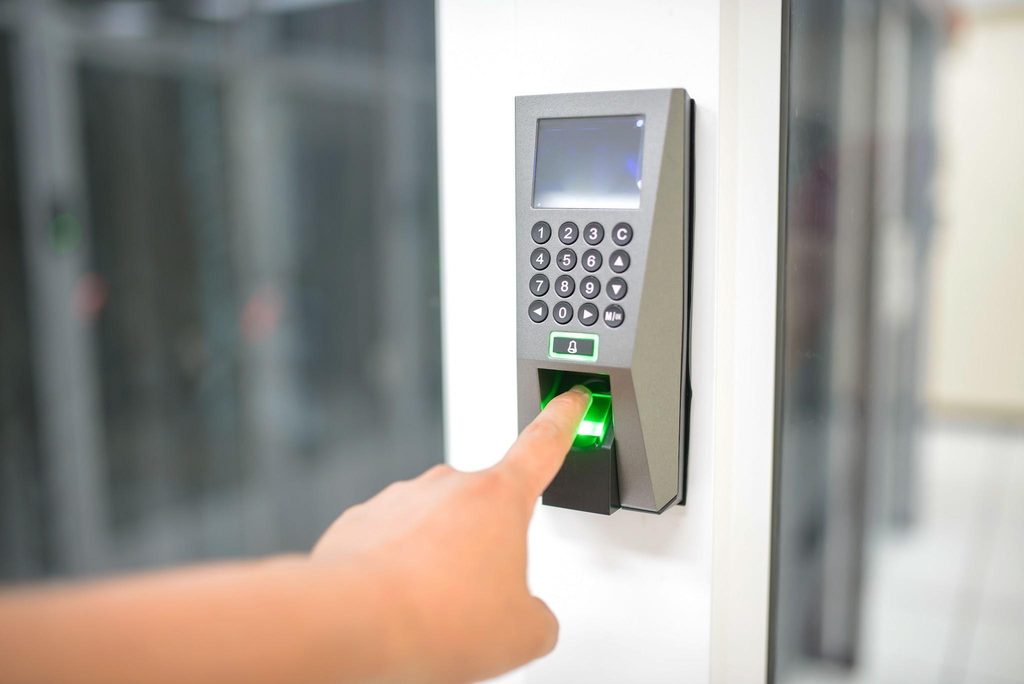
A small business relies on its building every day, from the front entrance that customers use to the back door that employees secure after closing. When those access points are overlooked, daily operations can become harder to manage.
For many owners, physical plant security is now part of keeping the business stable. This goal doesn’t require a major renovation. Instead, it starts with improving locks, doors, and lighting, controlling access, and putting together a well-defined plan for who can enter the property.
Buildings Have More Access Points to Manage
A small business may have a public entrance, back door, stockroom, office, restroom hallway, delivery door, and utility room. Each opening can affect the safety of the whole property.
Owners should pay close attention to their entrances because one weak door can create problems for staff, customers, and operations. A worn lock or loose strike plate makes a door less dependable, increasing vulnerability.
This is why many businesses are replacing tired hardware before it fails. A small hardware upgrade can help improve daily control without slowing down normal work.
Key Control Is a Bigger Concern
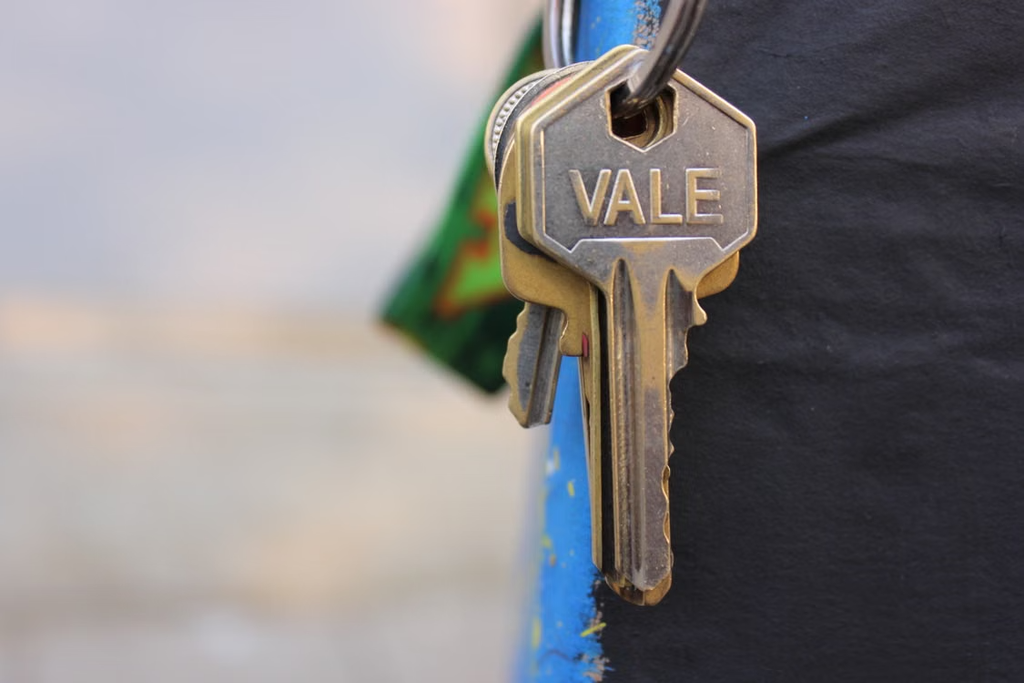
Many small businesses still rely on traditional keys. That can work when keys are closely tracked. Problems arise, however, when employees leave, vendors change, management turns over, or keys are not returned.
Modern business owners need to review who has access to each door. They want to reduce extra keys, limit access to private areas, and make it easier to update entry control when staffing changes.
Free standard keying can help when several compatible locksets need to operate with one key. For property managers, master keying may also support building access while tenants or employees keep their own change keys.
Better Doors Make Better Neighbors
Your biggest vulnerability when unauthorized people enter your business is theft. Inventory, tools, point-of-sale equipment, files, and maintenance supplies all need protection, wherever they’re kept.
Stronger door hardware can help keep these areas separated from public spaces. A well-matched deadbolt, lever, strike, or keypad lock can support the way a business uses its building.
Some owners also use door hardware upgrades when they change layouts, add rooms, or move into a new location. It is easier to set access rules during a refresh than to fix problems later.
Prep for Success
Small businesses also need plans for disasters, outages, and other major issues. Nothing tests your locks and doors like a heavy tropical storm or a little earthquake.
The Ready.gov business preparedness guidelines encourage businesses to prepare for hazards, protect their assets, and be ready to keep operations moving when the worst happens. That kind of planning should lead owners to inspect their entire exterior, including their entrances. This is the perfect time to replace failing locks and dented doors.
Keypad Locks Are Gaining Ground
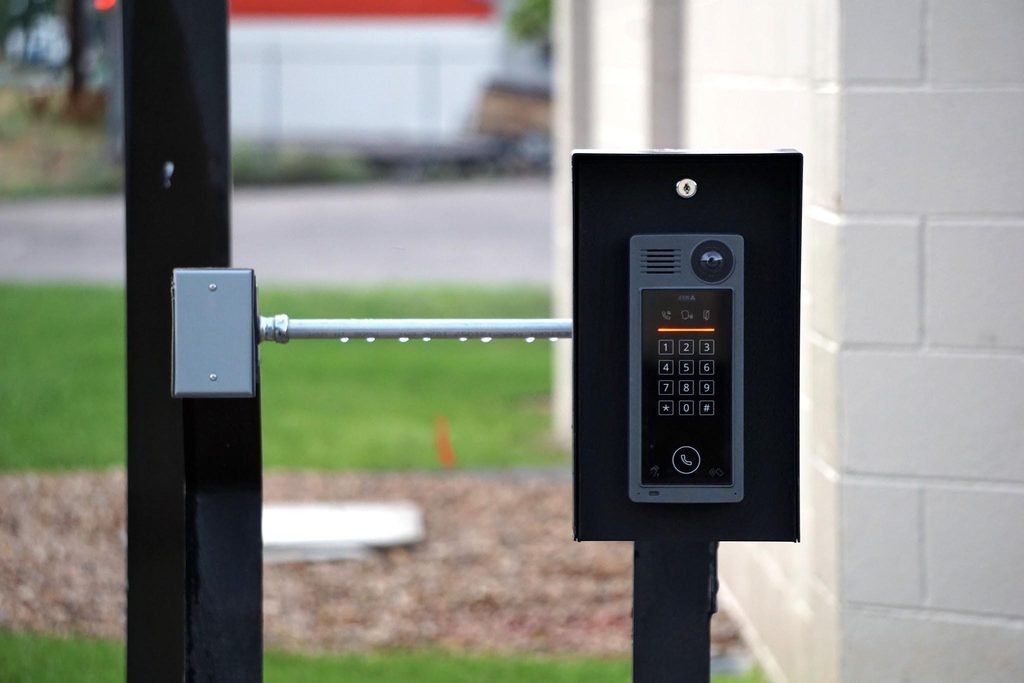
Keypad locks and electronic deadbolts are useful for many light commercial spaces. They can reduce key handoffs and make entry more convenient for approved staff. For example, Kwikset keypad deadbolts provide code-based access for many residential-style and light commercial doors. Just make sure to align the project and the product. This works for offices, rental units, storage spaces, and anywhere else where owners want better control without complexity.
Small Upgrades Can Reduce Maintenance Problems
Security upgrades aren’t always about adding new technology. When replacing hardware that is breaking down, functionality trumps novelty.
A business can lose time when an employee cannot lock up, a door will not close, or a customer entrance starts to fail. Routine hardware updates help prevent those problems from becoming service calls.
Important parts of a door include strike plates, deadbolts, door levers, and hinges. When those pieces all work properly, the building is secure.
Appearance Still Matters
A business entrance sends a message before a customer walks inside. Clean, matched, working hardware helps the property feel cared for and professional.
Many owners choose hardware for both security and appearance. A coordinated finish can make an entrance look complete. It also helps owners update the building without changing every part of the space.
A Practical Investment
Small businesses put money into physical security because it creates safer access and better control of the building. You can implement these kinds of upgrades in stages, starting with the entrances with the most traffic.
If you’re replacing old locks or renovating an entrance, new hardware makes your property better. To update your modern space, explore contemporary door locks that suit your security and design needs.