
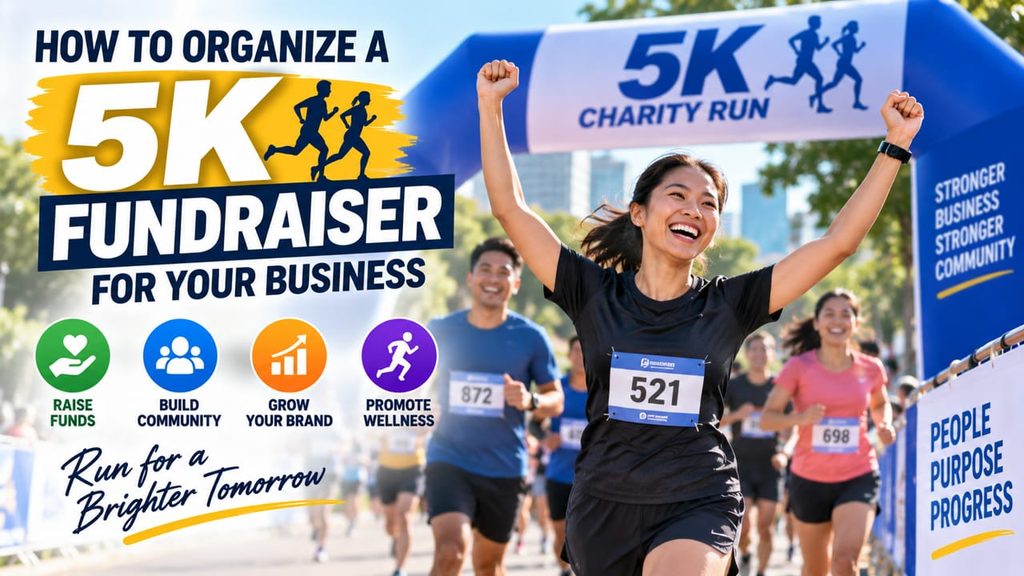
Planning a 5K fundraiser can strengthen community ties while supporting a cause your business cares about. Whether you want to raise money for charity, support employee wellness, or build brand awareness, organizing a successful race requires clear strategy and attention to detail. A well-executed 5K brings together participants, sponsors, and volunteers in a way that generates both funds and goodwill. Breaking the process down into manageable steps makes the event achievable for businesses of any size.
1. Define Your Goals and Budget
Before scheduling a single detail, decide exactly what you want your 5K to accomplish. Are you raising funds for a specific charity, supporting a local nonprofit, or promoting employee fitness and team building? Understanding your primary goal shapes every decision you make moving forward. Next, establish a realistic budget that covers race permits, insurance, timing equipment, signage, and post-race refreshments. Knowing your financial limits helps you determine how many participants you need to break even and what sponsorship opportunities you can offer to local businesses. A clear budget also prevents overspending on unnecessary elements and ensures you allocate resources where they matter most.
2. Secure Permits and Insurance
Running a public race requires official authorization from your local government. Contact your city or county to learn what permits you need and how far in advance you must apply. Most municipalities require races to have liability insurance, which protects your business and participants in case of accidents or injuries. Work with your insurance provider to understand what coverage is necessary and what the application process entails. Depending on your location, you may need to close streets, arrange parking, or coordinate with local police for traffic control. Handling these requirements early prevents last-minute complications and ensures your event runs smoothly and legally.
3. Choose a Date, Time, and Course
Select a date that avoids major holidays and local events that might compete for participants’ attention. Morning start times, typically between 7 and 9 a.m., work well for 5K races because they beat the heat and accommodate people’s schedules. Map out a safe, scenic route that is easy for runners of various fitness levels to follow. The course should be marked clearly with signs at regular intervals, arrows at turns, and water stations positioned strategically along the way. Having a flat, well-lit route encourages broader participation and reduces injury risk. Test your course in advance by running or walking it yourself to identify potential hazards or confusing sections.
4. Recruit Volunteers and Coordinate Logistics
A successful 5K depends on dedicated volunteers managing registration, course monitoring, water stations, and finish-line activities. Recruit volunteers from your business, local community groups, and among participants’ friends and family. Assign clear roles to each volunteer so they understand their responsibilities before race day. Arrange for traffic cones, barricades, portable toilets, medical personnel on standby, and timing equipment well in advance. Create a detailed timeline showing when volunteers should arrive, when setup begins, and when the race starts. Communicate expectations clearly through email or in-person meetings so everyone knows what to expect and can contribute effectively.
5. Market Your 5K and Attract Participants
Build excitement for your event through multiple marketing channels. Post on social media regularly, highlighting training tips, course details, and stories from past participants or sponsor businesses. Create a simple registration website where people can sign up, pay entry fees, and receive race details. Reach out to local running clubs, gyms, and wellness organizations to spread the word beyond your immediate network. Offer early-bird registration discounts to incentivize people to sign up before the event, and consider creating different entry categories, such as runners, walkers, or corporate teams, to appeal to a diverse audience.
Recognizing finishers with memorable awards is a powerful motivator for participation. Many event organizers rely on custom running medals to give participants a tangible keepsake that celebrates their achievement and reinforces their connection to the event. Personal invitations from employees often prove most effective, so encourage your team to invite friends and family. Combining digital outreach with direct personal engagement tends to produce the strongest registration numbers.
6. Execute and Follow Up
On race day, arrive early to set up all stations, test timing equipment, and welcome volunteers. Start the race promptly as advertised and ensure course monitors help guide participants throughout. Collect feedback from runners, volunteers, and sponsors through a simple survey to learn what worked well and what you can improve the following year. Send thank-you messages to all participants, volunteers, and sponsors within a week of the event. Announce how much money was raised and where the funds will go, reinforcing the impact of everyone’s participation. This follow-up builds momentum for a repeat event and strengthens relationships with your community.
Conclusion
Organizing a 5K fundraiser requires planning, coordination, and community involvement, but the rewards extend far beyond the money raised. By defining clear goals, handling permits and insurance properly, choosing the right date and course, recruiting reliable volunteers, marketing effectively, and executing with attention to detail, you create an event that reflects well on your business and leaves participants eager to return. The process builds connections between your company and the community while supporting a cause you believe in. With thoughtful preparation and commitment to excellence, your 5K can become an annual tradition that benefits both your business and the people you serve.