
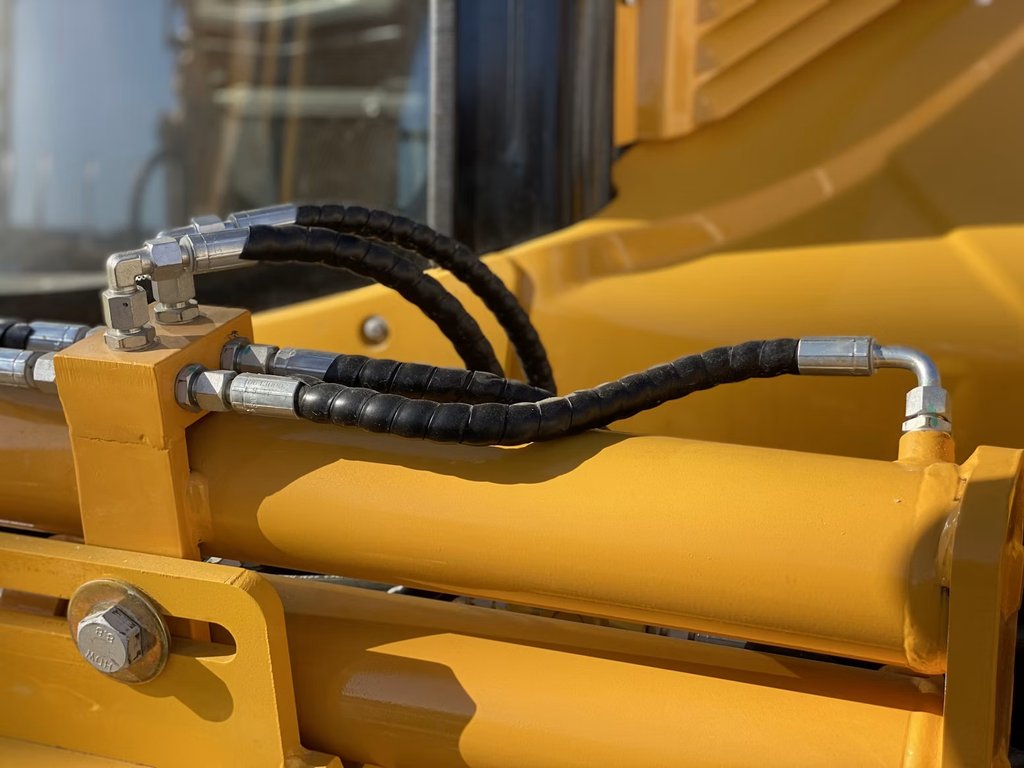
Key Takeaways:
- Newer hydraulic setups can catch heat buildup, contamination, and pressure drift before those issues shut a line down.
- Smarter controls deliver the flow and force the job calls for – not just max output all shift.
- Better-built components tend to last longer and make troubleshooting a little less disruptive.
- Most manufacturers get the best results when monitoring, maintenance, and system design improve together.
A lot of industrial output leans on hydraulics, even if the topic barely comes up when everything is running smoothly. Think presses, lift tables, clamping systems, and big material handling lines; they all need hydraulics to stay consistent. When that performance slips, production feels fast
They don’t make maintenance disappear, obviously, but modern hydraulic systems do give manufacturers a better grip on the conditions that usually trigger unscheduled downtime.
Why Older Hydraulic Setups Lose Time
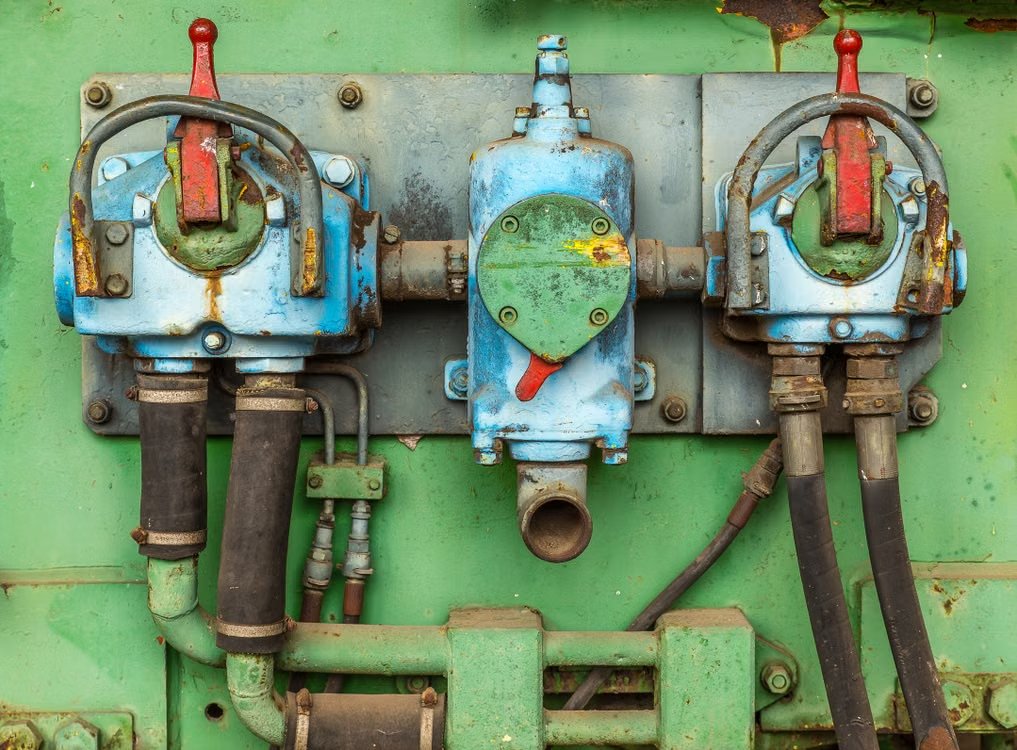
Plenty of unplanned downtime starts small, not with some dramatic failure. It could be that fluid temperature creeps up for a week. Maybe a seal wears down sooner than anyone expected. Or pressure wobbles during peak demand, just enough to make a machine feel a little off.
Old systems often leave crews chasing symptoms instead of getting ahead of the root cause. That tends to create a few familiar problems:
- Unexpected leaks that force unplanned shutdowns
- Inefficient flow paths that waste energy and build excess heat
- Contamination that wears down pumps, valves, and seals sooner than it should
- Actuator movement that gets inconsistent enough to slow cycles or affect quality
None of that is unusual – but it can often be very expensive.
What Makes a Hydraulic System “Modern”
Modern hydraulic systems are not defined by one flashy component. They improve because several design and maintenance choices are better woven together.
- Sensors that watch pressure, temperature, fluid level, and filter condition while the system is running.
- Controls that trim output to match the real load instead of pushing full demand all day long.
- Pumps and valves are built to waste less energy inside the system.
- Stronger filtration and reservoir practices that shield sensitive components.
- Job–specific hydraulic add-ons, including hydraulic accumulators, that help hold pressure steady during peak demand.
That mix of new components matters. A plant can install a better pump and still fight premature wear if contamination control remains weak!
How Downtime Gets Reduced
The clearest benefit of modernizing hydraulic gear is earlier visibility. If operators and maintenance teams catch rising temperature, erratic pressure, or restricted flow before a failure, they have room to decide what to do next. They can plan service during scheduled downtimes or swap in cheaper parts before it harms something more expensive downstream.
Modern controls help here too. A system that’s tuned properly is less likely to lurch at startup, spike pressure, or cycle more than it needs to. Smoother machine motion also means hoses, seals, fittings, and actuators usually see less long-term stress.
Troubleshooting becomes more direct when teams are not guessing between a valve issues, a pump issue, and a fluid issue.
Where Efficiency Improves on the Plant Floor
Efficiency isn’t only about trimming electricity use. You can see it in steadier cycle times, less scrap, and fewer maintenance hours vanishing into repeat issues.
Manufacturers often notice improvements in areas like these:
- Faster, steadier cycle performance because actuators respond more predictably
- Less wasted motion from oversupplying flow or pressure
- Fewer quality problems caused by drift, hesitation, or uneven force.
- Lower maintenance hours spent chasing recurring faults
Some of the biggest wins come from heat control. Too much heat quietly chips away at hydraulic performance – thinning fluid, stressing seals, and speeding wear across the system.
Where Manufacturers Should Start
A full redesign isn’t necessary for every facility. Usually, it makes more sense to identify the problems stealing the most production time and then trace it backward.
A practical first-pass review usually checks:
- Failure history on critical machines
- Recurring contamination or filtration issues
- Operating temperatures under peak loads
- Pressure stability during demanding cycles
- Whether current components still match present production demands
From there, upgrades can be prioritized with more confidence.
The Undeniable Value of Modern Hydraulic Systems
Sometimes the answer is smarter monitoring. Sometimes, it is improved filtration. In other cases, it is better to control logic or the right use of hydraulic accumulators to handle system demand without overloading the rest of the circuit. Whatever the answer is, for manufacturers trying to protect uptime, modern hydraulic systems offer something valuable: fewer surprises. They help teams catch problems sooner, run equipment more consistently, and make maintenance decisions with better information. In a production environment where a stalled machine can throw off an entire shift, that kind of stability goes a long way.