
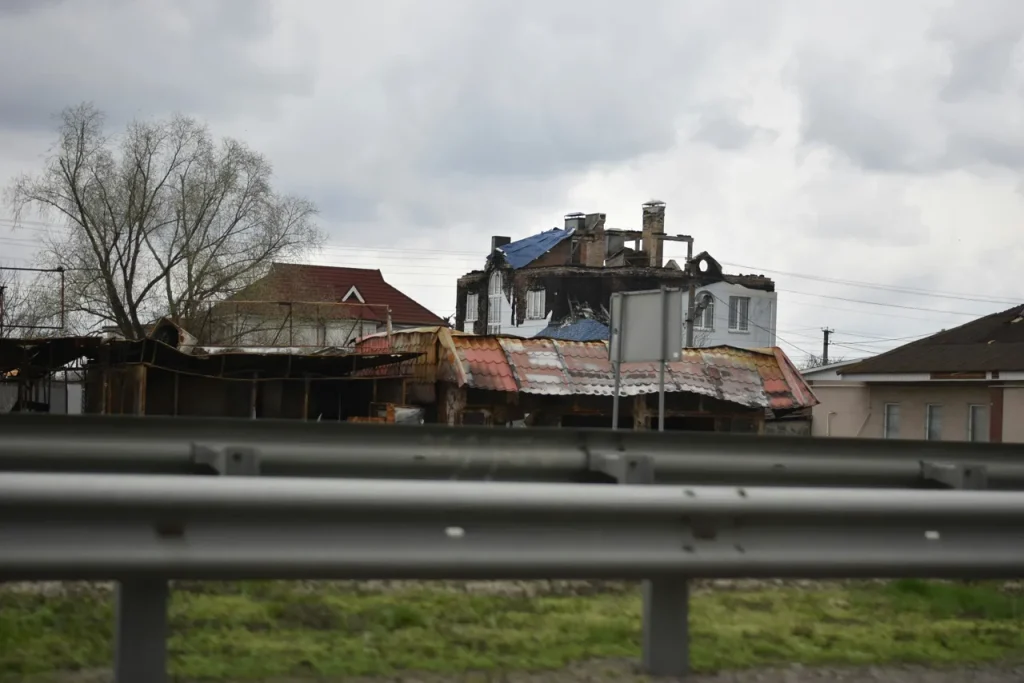
Property damage can disrupt operations, compromise safety, and create costly setbacks for any business or property owner. Whether the cause is water, fire, storms, or structural failure, the speed of the response often determines how extensive the damage becomes and how long recovery will take. Acting quickly helps protect assets, reduce financial loss, and restore normal operations sooner. Understanding why fast response matters provides clarity on how to manage emergencies more effectively and safeguard long‑term stability.
Limits the Spread of Damage
Damage rarely stays contained when left unaddressed. Water continues to seep into walls, flooring, and electrical systems. Smoke residues settle deeper into surfaces. Structural weaknesses worsen under stress. The longer the delay, the more widespread and expensive the damage becomes.
A fast response helps stop this progression. By addressing the source of the problem immediately, property owners can prevent secondary issues such as mold growth, corrosion, or structural deterioration. Early intervention also reduces the likelihood of hidden damage that may not be discovered until much later, when repairs become more complex and costly. Quick action preserves more of the property’s original condition and reduces the overall scope of restoration.
Protects Health and Safety
Safety risks increase significantly when property damage is not addressed quickly. Water intrusion can lead to mold within a short period of time, creating respiratory hazards. Fire damage can leave behind soot, chemicals, and weakened structures that pose immediate dangers. Electrical systems exposed to moisture or debris can become unstable and hazardous.
Responding quickly ensures that unsafe conditions are identified and mitigated before they escalate. Professionals can assess structural integrity, remove contaminants, and secure compromised areas to prevent accidents. Protecting the health and safety of occupants, employees, and visitors is one of the most important reasons to act without delay after property damage occurs.
Reduces Business Interruption and Financial Loss
For businesses, downtime can be just as damaging as the physical destruction itself. Every hour of lost productivity, halted operations, or customer disruption adds to the financial impact. Fast response helps minimize this interruption by accelerating the restoration timeline and allowing operations to resume sooner.
Working with a reputable commercial damage restoration provider ensures that cleanup and repairs begin promptly and proceed efficiently. These professionals understand how to prioritize critical areas, coordinate necessary services, and restore functionality as quickly as possible. By reducing downtime, businesses protect revenue, maintain customer trust, and avoid long‑term operational setbacks.
Supports Accurate Insurance Claims and Documentation
Insurance claims rely heavily on accurate, timely documentation. The longer property owners wait to respond, the harder it becomes to capture the full extent of the damage. Conditions may worsen, evidence may be lost, and insurers may question whether delays contributed to the severity of the loss.
A fast response allows for immediate documentation through photos, reports, and assessments. Restoration professionals can help identify all affected areas and provide detailed information that supports a thorough and accurate claim. This increases the likelihood of receiving appropriate coverage and reduces disputes or delays in the claims process. Prompt action also demonstrates responsible property management, which insurers often view favorably.
Conclusion
Fast response after property damage limits the spread of destruction, protects health and safety, reduces business interruption, and supports accurate insurance claims. Acting quickly helps safeguard assets, control costs, and restore normal operations with greater efficiency and confidence.