
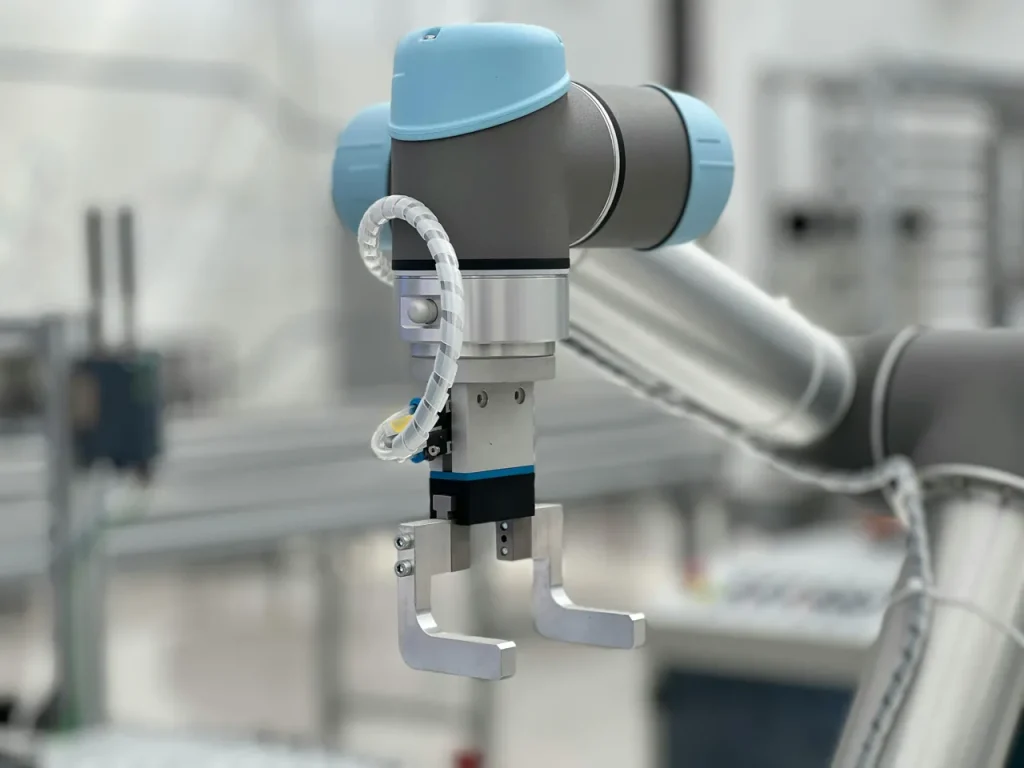
Consistency is one of the most important indicators of a healthy production environment. When output is uniform, predictable, and aligned with quality standards, operations run more smoothly and customers receive reliable products. As manufacturing demands increase and processes become more complex, automation has emerged as a powerful tool for maintaining and improving consistency across every stage of production. By reducing human error, enhancing visibility, and supporting data‑driven decision making, automation helps facilities operate with greater precision and confidence.
Real Time Data Collection Strengthens Decision Making
Automation provides continuous access to real time data, allowing teams to monitor performance with accuracy and speed. Instead of relying on periodic manual checks, automated systems capture information around the clock, offering a clear picture of how equipment and processes are functioning.
This constant flow of data helps identify trends, detect abnormalities, and highlight areas that need attention. When decisions are based on accurate, up to date information, production becomes more stable and predictable. Over time, this level of insight supports stronger planning and more consistent output.
Reduced Human Error Enhances Reliability
Even the most skilled employees can make mistakes, especially when tasks are repetitive or require precise timing. Automation minimizes the risk of human error by standardizing processes and ensuring that each step is executed the same way every time.
Automated systems follow programmed instructions without deviation, which helps maintain uniformity across shifts and production cycles. This reliability is especially valuable in industries where small variations can lead to significant quality issues. By reducing variability, automation strengthens overall consistency and improves customer satisfaction.
Improved Equipment Monitoring Prevents Disruptions
Unexpected equipment failures can quickly disrupt production and lead to inconsistent output. Automated monitoring systems track machine performance continuously, identifying early signs of wear, overheating, or malfunction. This proactive approach allows maintenance teams to address issues before they escalate.
Predictive maintenance supported by automation reduces downtime and keeps equipment running at optimal levels. When machines operate smoothly, production lines maintain a steady rhythm, resulting in more consistent results and fewer interruptions.
Standardized Workflows Support Uniform Output
Automation helps establish standardized workflows that ensure each product follows the same path from start to finish. This uniformity reduces variation and helps maintain quality across large volumes of output.
Standardized processes also make it easier to train new employees, as automated systems guide them through established procedures. With fewer deviations and clearer expectations, production becomes more predictable and efficient. This structure supports long term consistency and reduces the likelihood of errors caused by inconsistent methods.
Enhanced Quality Control Through Intelligent Systems
Quality control is one of the most important areas where automation makes a measurable impact. Automated inspection tools can detect defects, measure dimensions, and verify product specifications with precision that surpasses manual inspection.
Systems powered by reputable manufacturing intelligence analyze data from multiple points in the production process, identifying patterns that may indicate quality issues. This level of insight allows teams to make timely adjustments and maintain high standards. Automated quality control ensures that every product meets expectations, reinforcing consistency across the entire operation.
Faster Response to Process Variations
Production environments are dynamic, and even small changes can affect output. Automation enables rapid detection and response to variations in temperature, pressure, speed, or material flow. When systems identify deviations, they can automatically adjust settings or alert operators to take corrective action.
This quick response minimizes the impact of fluctuations and helps maintain stable conditions. By addressing issues in real time, automation prevents minor variations from becoming major disruptions, supporting a more consistent production flow.
Scalable Solutions for Growing Operations
As production demands increase, maintaining consistency becomes more challenging. Automation provides scalable solutions that adapt to higher volumes without compromising quality. Automated systems can handle repetitive tasks efficiently, allowing teams to focus on oversight and improvement rather than manual labor.
Scalability ensures that consistency is preserved even as operations expand. Whether adding new lines, increasing output, or integrating advanced technologies, automation supports growth while maintaining the reliability customers expect.
Conclusion
Automation improves production consistency by strengthening data collection, reducing human error, enhancing equipment monitoring, standardizing workflows, supporting intelligent quality control, enabling rapid adjustments, and offering scalable solutions. These advantages help manufacturers maintain reliable output, improve efficiency, and meet the demands of a competitive market.